





The Water Roads: Navigating Argentina's Hidden River Highway System
Most tourists experience Argentina by plane, bus, or rental car, following the same well-worn routes between Buenos Aires, Mendoza, Bariloche, and Iguazú. But there's an entirely parallel transportation network that most visitors never consider: Argentina's vast river system. For centuries, communities in northern Argentina have relied on rivers as their primary highways, and today these waterways offer travelers an authentic, unhurried way to experience parts of the country that roads barely reach.
The Paraná River and its tributaries form South America's second-largest river system after the Amazon, flowing over 4,800 kilometers through Brazil, Paraguay, and Argentina. In Argentina's northeast, particularly in the provinces of Entre Ríos, Corrientes, Misiones, and parts of Santa Fe, rivers remain the lifeline for hundreds of communities. Schools, medical clinics, and general stores sit on riverbanks accessible only by boat. Floating shops deliver groceries. Postal boats carry mail. And increasingly, travelers are discovering that these working waterways offer perspectives on Argentina that simply don't exist along the highways.
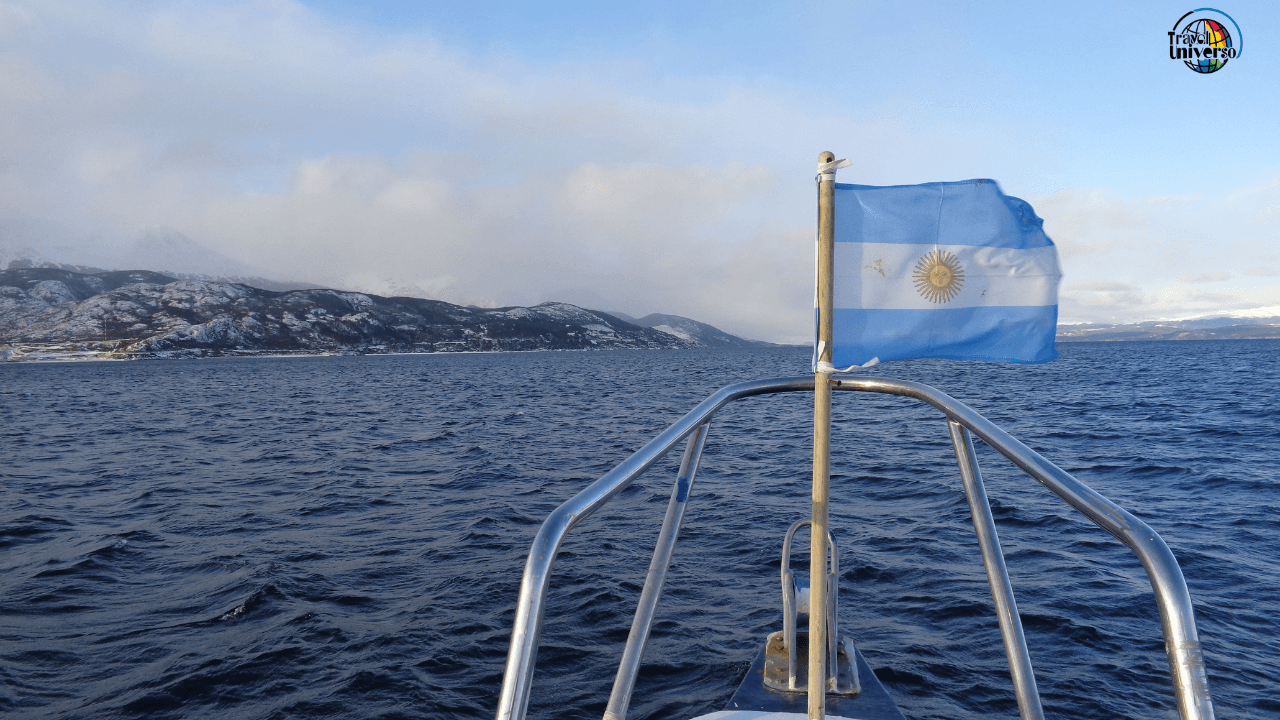
Understanding Argentina's River Culture
Unlike tourist-focused river cruises in other parts of the world, Argentina's river travel remains fundamentally utilitarian. The boats, known as lanchas or colectivos fluviales (river buses), serve local communities first. You'll share deck space with families visiting relatives, merchants transporting goods, and workers commuting to island farms. It's public transportation that happens to float, and that's precisely what makes it extraordinary.
The rhythm of river life differs fundamentally from road travel. Boats depart based on river levels, weather, and necessity rather than strict timetables. What Google Maps estimates as a two-hour journey by road might take five hours by river—but you'll see caimans sunning on banks, capybaras swimming between islands, countless bird species, and communities living in ways that have changed little in generations. Time moves differently on the water, and travelers who embrace this discover an Argentina that most guidebooks miss entirely.
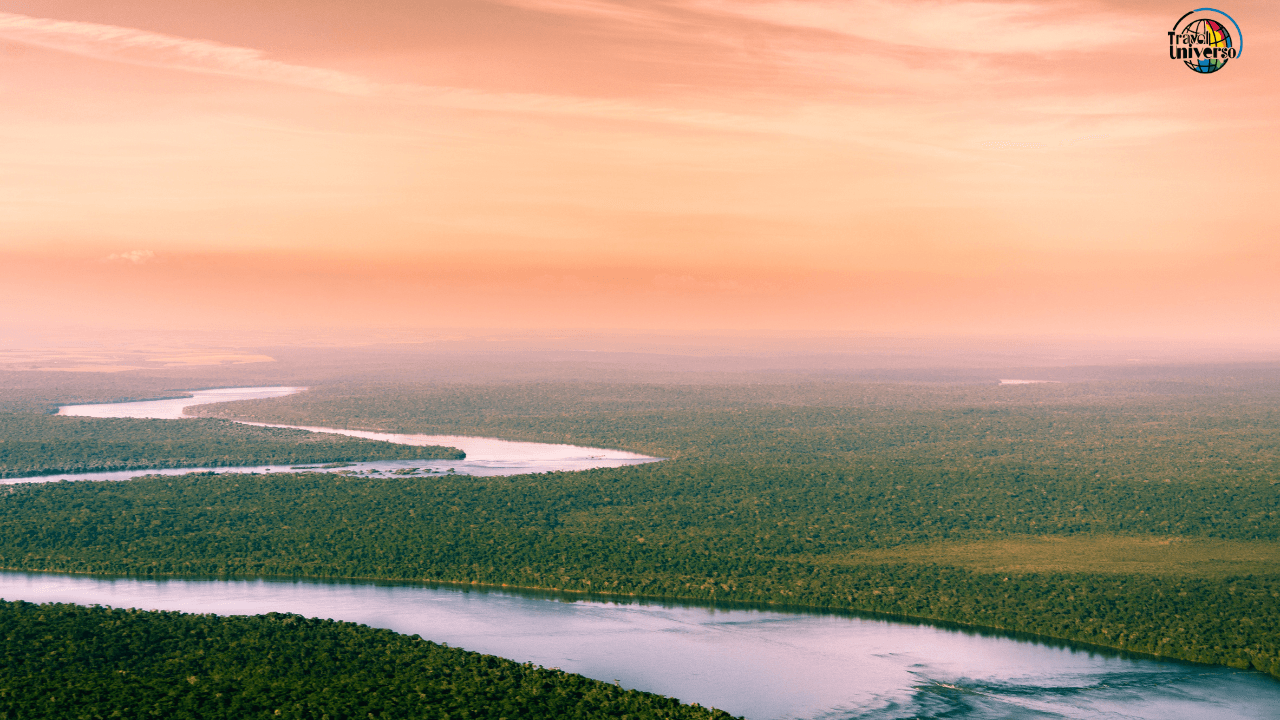
Where to Experience River Travel
The Paraná Delta, Buenos Aires Province
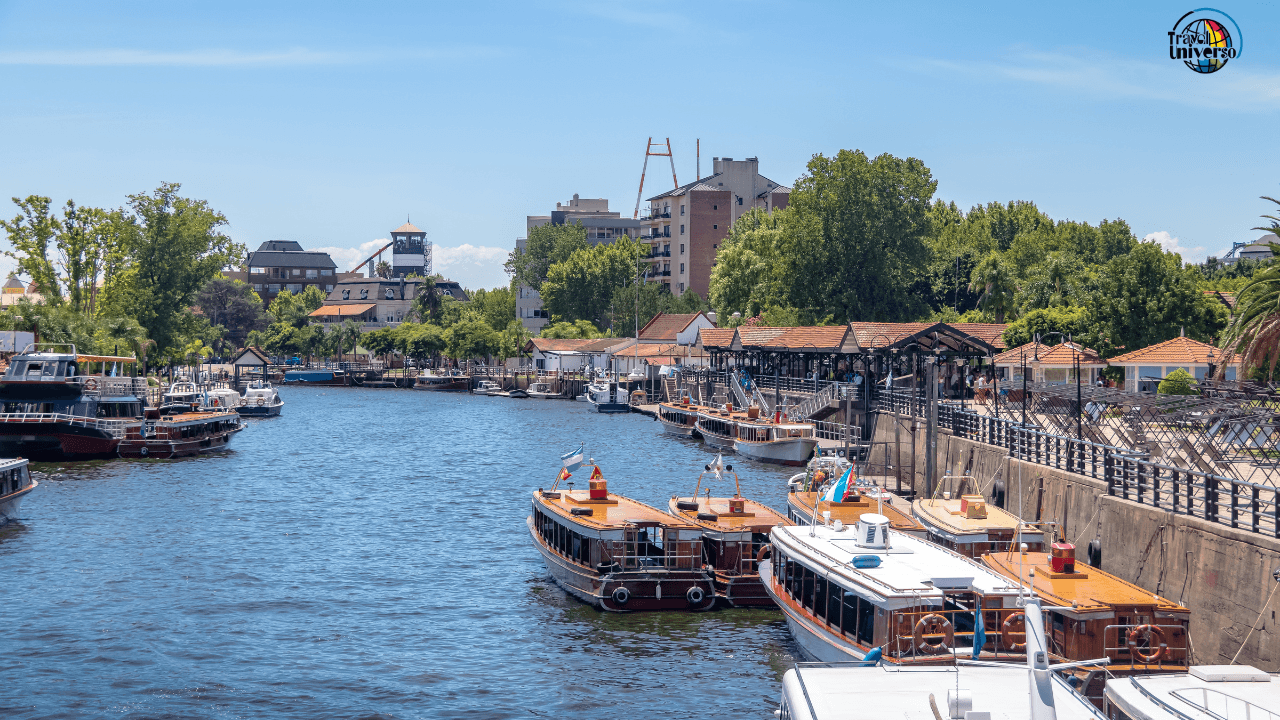
The most accessible river experience starts just 30 kilometers from downtown Buenos Aires. The Paraná Delta is a vast maze of islands, channels, and waterways covering over 14,000 square kilometers. From the town of Tigre, dozens of lanchas colectivas (collective boats) depart throughout the day, following routes to island communities with poetic names like Primera Sección, Segunda Sección, and Tercera Sección.
These aren't tour boats—they're the school bus, the taxi, and the delivery truck for the 5,000+ people living on the delta islands. Board any lancha for NZ$2-5 (about US$1-3) and ride as long as you like. No reservation needed, no tour guide required. Just watch where locals disembark and follow them to riverside restaurants, weekend homes, or island trails.
The delta experience works beautifully as a day trip from Buenos Aires, but staying overnight on one of the islands reveals the magic. Small guesthouses and hostels dot accessible islands, many built on stilts to handle seasonal flooding. Arroyo Espera, Arroyo Felicaria, and Río Carapachay host numerous accommodations reachable only by boat. You'll fall asleep to the sound of water lapping against pilings and wake to roosters and boat motors—the soundtrack of island life.
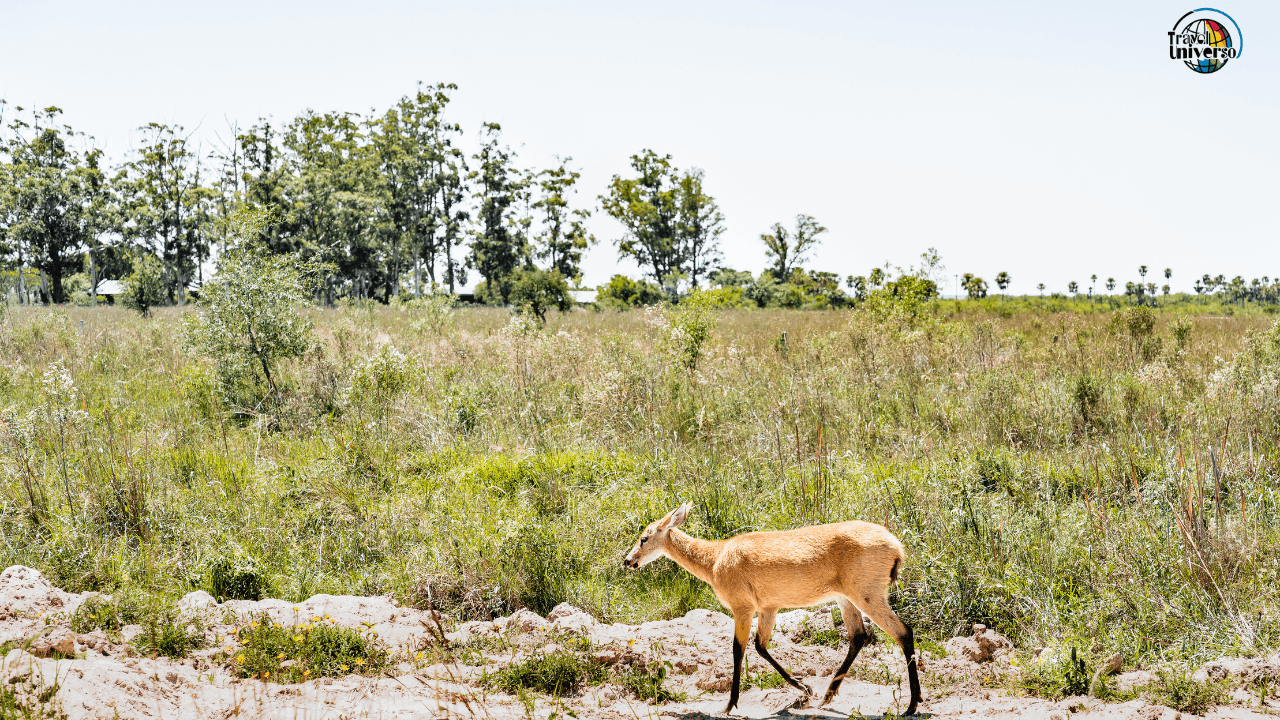
Iberá Wetlands, Corrientes Province
The Iberá Wetlands rival the Pantanal as South America's most biodiverse wetland ecosystem. While most visitors approach by road to the main tourist areas around Colonia Carlos Pellegrini, local communities throughout the wetlands rely entirely on river and lagoon navigation.
From the town of Ituzaingó on the Paraná River, boats connect to remote wetland communities like Yahaveré, San Nicolás, and Galarza. These aren't tourist routes—they're lifelines for isleños (island dwellers) who make their living from fishing, cattle ranching on floating meadows, and increasingly, supporting conservation efforts in the area.
Several tour operators now offer multi-day river journeys through Iberá, combining wildlife viewing with authentic cultural experiences. You'll stay in family-run pousadas, eat fresh river fish, and learn how communities adapt to landscape where water levels might fluctuate several meters seasonally. The wet season (November-March) offers the fullest experience with highest wildlife activity, though heat and insects are intense. The dry season (May-September) provides more comfortable temperatures with still-impressive wildlife.
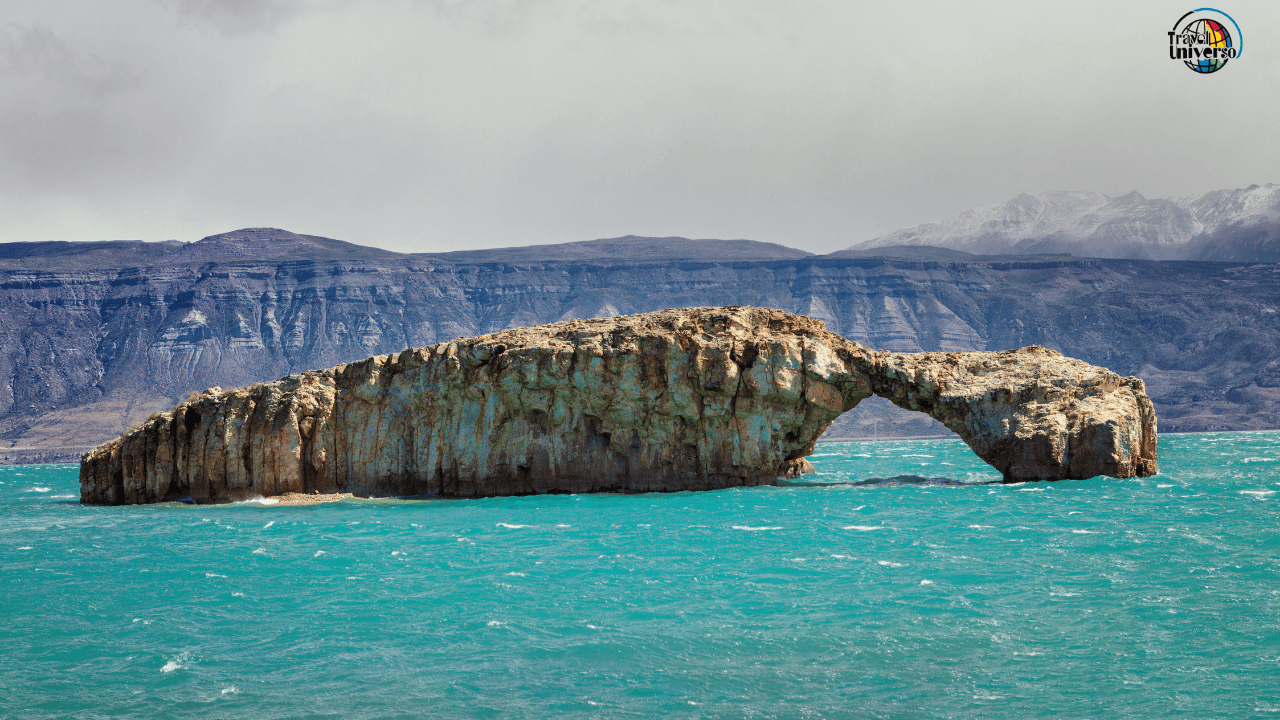
The Upper Paraná, Misiones Province
As the Paraná River flows through Misiones province near the Brazilian and Paraguayan borders, it fragments into a complex network of channels, islands, and tributaries. Communities here have maintained river-based lifestyles for generations, and boat travel remains essential.
From Posadas, the provincial capital, passenger boats run daily routes to island and riverside communities up and down the river. The route from Posadas to Candelaria (about 50 kilometers south) passes Jesuit ruins, active mate plantations, and communities where river flooding necessitates homes built several meters above ground.
More adventurous travelers can arrange passage on cargo boats heading upriver toward Iguazú. These working vessels carry everything from construction materials to livestock, with informal passenger accommodation available. It's slow—the journey might take 2-3 days versus 5-6 hours by road—but you'll experience the working river in ways impossible otherwise. Arrange passage through hotels or hostels in Posadas; there's no booking system, just show up at the port and ask around.
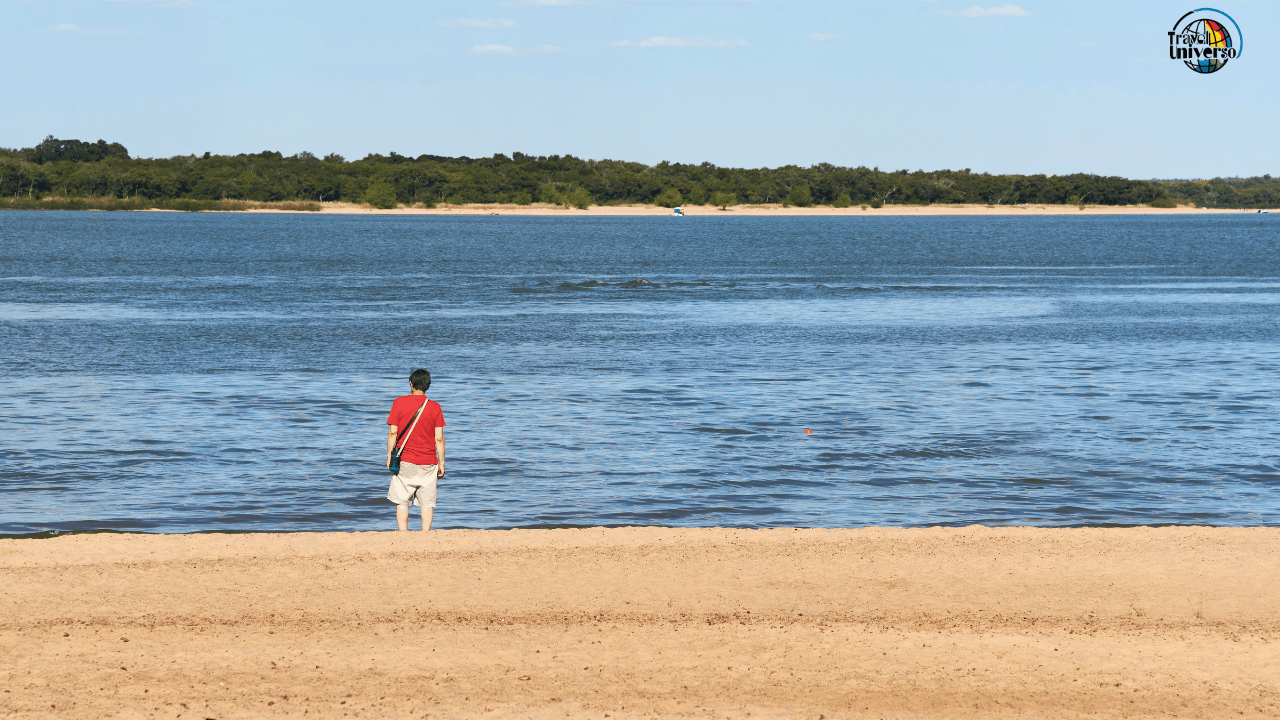
Uruguay River Border Region
The Uruguay River forms Argentina's entire eastern border with Uruguay and Brazil. Towns on both banks maintain boat connections that predate the bridges by centuries. These river crossings offer border experiences unlike any immigration checkpoint on land.
From Concordia, Argentina, passenger boats cross to Salto, Uruguay multiple times daily. From Paso de los Libres, boats connect to Uruguayana, Brazil. These aren't tourist attractions but genuine border crossings used by locals for shopping, visiting family, and commuting to work. You'll need your passport, but the experience of having it stamped in the middle of a river beats any airport queue.
Small boats also navigate between riverside communities on both banks, though tourists need to verify visa requirements before attempting these crossings. The riverside town of Colón offers particularly scenic crossings with views of Palacio San José and the surrounding countryside.
Planning Your River Journey
Finding Boat Schedules
This is where river travel differs most from road transport—schedules are informal, seasonal, and subject to change. Boat departure times depend on river levels, weather conditions, and passenger demand. What ran daily last month might run three times weekly this month.
The best information comes from locals, not websites. In Tigre, the delta cooperative runs regular routes with posted schedules at the boat station. In smaller towns like Ituzaingó or the Paraná delta islands, ask at waterfront cafes, hostels, or general stores. Boat captains often have mobile phones, and locals can connect you directly.
Many travelers struggle with this uncertainty, but it's part of the experience. Build flexibility into your itinerary. Plan for weather delays. If you have a flight to catch, allow extra days. River travel rewards those who can release attachment to precise schedules.
Understanding River Seasons
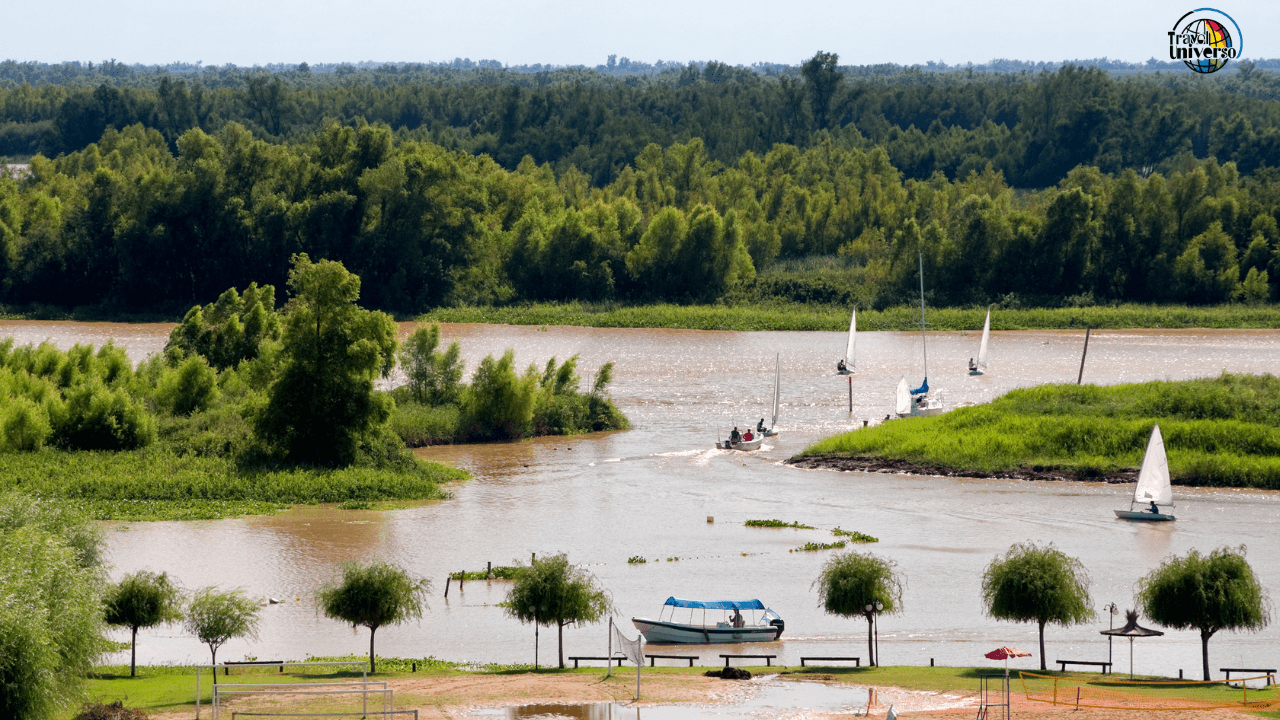
Argentina's rivers change dramatically with seasons, affecting both navigation and experience. The wet season (November-April) brings higher water levels, making more areas accessible but also increasing flood risk in some communities. The dry season (May-October) sees lower levels, occasional navigation restrictions, but more comfortable temperatures in northern regions.
The Paraná River experiences multi-year cycles beyond simple seasonal variation. Major floods occur every few years, while drought years can restrict navigation in shallow channels. Check recent conditions before planning specific routes—what was possible last year might not be this year.
Wildlife viewing peaks during different seasons depending on location. In Iberá, the wet season provides maximum bird activity and caiman visibility. In the Paraná Delta, the shoulder seasons (April-May, September-October) offer pleasant temperatures with good wildlife opportunities.
Safety Considerations
River travel in Argentina is generally safe, but requires different awareness than road travel. Life jackets are not always provided or worn—if this concerns you, bring your own inflatable vest. Boats vary from modern vessels with safety equipment to aging wooden craft that might not meet safety standards you're accustomed to.
Sun exposure on open boats is intense. Bring high-SPF sunscreen, a wide-brimmed hat, and long sleeves. Reflected sunlight from water increases UV exposure significantly. Even on overcast days, you can burn.
Mosquitoes and biting insects are unavoidable in wetland areas. Bring strong insect repellent (50%+ DEET or equivalent), and consider treating clothing with permethrin. Dengue, Zika, and other mosquito-borne illnesses occur in northern Argentina—consult travel health resources and consider vaccinations where recommended.
River water is not safe to drink. Bring bottled water for longer journeys, as communities along the way might not have shops. Dehydration happens quickly in Argentina's summer heat, especially on exposed boat decks.
What to Bring
Pack light and waterproof. Dry bags protect electronics and valuables from spray and rain. Most boats have minimal coverage, so rain gear is essential during wet season. A small daypack works better than wheeled luggage on boats and riverside docks.
Cash is essential—many riverside communities have no ATMs or card payment options. Bring small bills (100-500 peso notes) for boat fares, meals, and accommodation. Exchange major bills in cities before heading to remote areas.
Binoculars enhance wildlife viewing tremendously. Even basic 8x32 or 10x42 binoculars reveal birds, reptiles, and mammals you'd miss with naked eye. River travel provides excellent wildlife observation with minimal disturbance.
A Spanish phrasebook or translation app helps immensely. English is rare in riverside communities. Basic Spanish phrases for asking about boat schedules, accommodation, and meal options make everything smoother. River captains and local families appreciate attempts to speak Spanish, however basic.
River Experiences and Tours
Tigre Delta Tours
Numerous operators in Tigre offer guided delta experiences, but the most authentic involve the lanchas colectivas. Tigre Kayak offers guided kayak tours through narrow channels impossible for larger boats. Delta Eco Turismo runs small-group tours focusing on ecosystem education and visiting sustainable island projects.
Consider spending a full day riding different lanchas without a guide. Board the boat to Primera Sección, disembark at random, explore the boardwalks and trails, then catch the next boat to Segunda Sección. Have lunch at a riverside parrilla, then boat further into the delta. It's impossible to get seriously lost—all boats eventually return to Tigre.
Iberá Wetlands Expeditions
Portal Iberá offers multi-day river expeditions through the wetlands, combining boat navigation with stays in remote estancias (ranches) and community homestays. These trips provide the depth missing from quick wildlife-viewing tours. You'll learn about wetland management, conservation challenges, and traditional lifestyles while seeing extraordinary wildlife.
Local guides like Adolfo Iriarte specialize in extended river trips for small groups, arranging all logistics while maintaining flexibility to follow wildlife opportunities or adjust to weather. These expeditions typically run 4-7 days and require booking several months advance.
Paraná River Cargo Boat Passage
No formal tour operators handle this—it's arranged individually. The general process: arrive at the port in Posadas or another riverside city, locate the cargo boat area (separate from tourist areas), and ask boat captains if they accept passengers. Many do for small fees (typically 2000-5000 pesos per day including basic meals).
Accommodation is usually a hammock on deck or sometimes a basic cabin. Meals are whatever the crew eats—expect lots of asado (grilled meat), mate, and simple staples. Facilities are basic. But you'll see the working river, stop at remote communities for loading/unloading, and experience authentic river culture impossible through any official tour.
Fishing Expeditions
The Paraná River system is legendary among anglers, particularly for dorado, surubí, and pacú. Numerous lodges and guides specialize in fishing expeditions, combining river navigation with serious angling. While focused on fishing, these trips provide excellent river travel experiences.
Lodges like Golden Dorado River Cruiser and Agua Negra Fishing Lodge run floating operations—you sleep on anchored boats and fish different stretches daily. Non-fishing companions are welcome on many trips, enjoying wildlife viewing while anglers pursue fish.
Cultural Insights: Life on the River
The Isleño Lifestyle
Communities living on Argentina's islands and riverbanks have developed distinctive culture shaped by isolation and water. Homes sit on stilts, personal boats are as essential as cars elsewhere, and every family member learns water safety from childhood. Flooding is not a disaster but an expected part of life, with homes designed to accommodate several meters of water level change.
Traditional livelihoods include fishing, small-scale cattle ranching, and mimbre (wicker) harvesting for basketry. Increasingly, ecotourism provides supplemental income, with families opening small guesthouses or working as guides. This transition brings both opportunities and challenges as communities balance traditional ways with changing economics.
Mate Culture on the Water
Mate (pronounced MAH-teh), Argentina's beloved herbal tea, is omnipresent on river journeys. Boat captains sip mate while navigating. Passengers share thermoses. Riverside families offer mate to visitors. Understanding mate etiquette enhances your river experience significantly.
When offered mate, accept graciously (saying "gracias" while taking the gourd), drink all the liquid (slurping is acceptable), and return the gourd to the server. Don't say "gracias" until you're finished drinking altogether—it signals you're done. Don't wipe the bombilla (metal straw) or adjust it. The server will refill and pass to the next person. It's a social ritual that creates community, and participating marks you as respectful of local culture.

River-Based Commerce
Floating shops, called almacenes flotantes, still serve remote communities throughout the river system. These boats carry groceries, household goods, fuel, and other essentials, traveling regular routes but flexible schedules. Watching one arrive at an island settlement reveals how river commerce works—the boat anchors offshore, a small boat ferries goods to the dock, and the community gathers to shop, socialize, and share news.
Some floating vendors specialize—bread boats, fish boats, vegetable boats. Others carry diverse inventory. If you're staying in river communities, you might time your meals around when the fish boat arrives, guaranteeing freshness impossible elsewhere.
Connecting River Routes with Traditional Tourism
River travel doesn't mean abandoning conventional sights—it means reaching them differently. Consider these combinations:
Buenos Aires to Tigre Delta (2-3 days) Start your Argentina trip with delta exploration before heading to Patagonia or Mendoza. The contrast makes both experiences richer. You'll appreciate remote Patagonian landscapes more after experiencing a completely different ecosystem so close to the capital.
Iberá Wetlands to Iguazú Falls (4-6 days) Combine wetland river travel with waterfall viewing. The journey from Iberá to Iguazú via river routes through Ituzaingó and up the Paraná adds adventure to a standard itinerary. You'll see two completely different water environments—the slow, spreading wetlands and the dramatic falls.
Mesopotamia River Loop (7-10 days) Create a circuit through Argentina's northeast, traveling between Entre Ríos, Corrientes, and Misiones provinces primarily by river and boat. Start in Buenos Aires, boat through the Tigre Delta, continue to the Uruguay River towns, boat across to Uruguay briefly, return to Iberá by river, then finish at Iguazú. It's an unconventional route impossible to rush.
Wine Region River Approach (3-5 days) Less obvious but possible: the Paraná River reaches near Mendoza via tributaries. While not practical for primary transportation, boat trips on Mendoza province rivers and lakes add dimension to wine tours. Lake Potrerillos offers sailing and kayaking with Andes views, while the Diamante and Atuel rivers provide rafting and scenic floating.
Challenge yourself to stay outside longer than feels comfortable. Many people retreat indoors after 20-30 minutes. Those who remain for 1-2 hours report the experience shifting from "seeing stars" to something more profound—a genuine sense of place within the cosmos that's difficult to achieve in shorter sessions.
Finally, spend at least some time without telescopes, cameras, or apps.
Just lie back and look up. The ancient humans who named these constellations, navigated by these stars, and built monuments aligned to these celestial movements didn't have optical aids. They had what you have under New Zealand's dark skies: darkness, stars, and time to wonder. Sometimes, that's enough.
Practical Logistics
Accommodation Near Rivers
Budget options: Hostels in Tigre, Posadas, Concordia, and Ituzaingó cater to backpackers and often help arrange boat travel. Expect to pay 3000-6000 pesos per night for dorm beds, 6000-12000 pesos for private rooms.
Mid-range: Island guesthouses throughout the Paraná Delta and Iberá offer comfortable rooms with meals included, usually 15000-30000 pesos per night including boat transfers. These family-run places provide the best cultural immersion.
Higher-end: Lodges in Iberá and along the Paraná focus on nature experiences with guide services, excellent food, and comfortable amenities. Expect 50000-100000+ pesos per night, usually as part of multi-day packages.
Wild camping is possible on some public islands with permission, though facilities are non-existent. Ask locals before camping—some areas flood unexpectedly, and others have private ownership despite appearing wild.
Getting to Starting Points
Tigre: 30-minute train from Buenos Aires Retiro station on the Mitre Line (very cheap, frequent service), or 1-hour bus from multiple Buenos Aires neighborhoods.
Posadas: Daily flights from Buenos Aires, or 12-hour bus rides. Regional buses connect to other Misiones destinations.
Ituzaingó: No direct flights. Bus from Posadas (3 hours) or Corrientes city (3-4 hours). This is a small town geared toward fishing tourism, so services are more limited.
Concordia: Daily buses from Buenos Aires (6-7 hours) or Posadas (9-10 hours). Also accessible from Uruguay via river crossing from Salto.
Language Considerations
Spanish is essential for river travel outside the Tigre Delta. Unlike Buenos Aires or major tourist areas, riverside communities rarely have English speakers. However, river people are often patient and welcoming toward foreigners making an effort.
Key river Spanish phrases:
"¿Cuándo sale la lancha?" (When does the boat leave?)
"¿Cuánto cuesta el pasaje?" (How much is the fare?)
"¿Hay lugar para dormir?" (Is there a place to sleep?)
"¿Se puede acampar aquí?" (Can I camp here?)
"¿Dónde puedo comer?" (Where can I eat?)
Download offline Spanish dictionaries and translation apps—internet connectivity is limited in river communities.
Why Choose the Water Roads
Argentina's river system offers what faster transportation cannot: time to observe, space to reflect, and connection to communities maintaining traditions unchanged for generations. You'll trade convenience for authenticity, speed for serenity, and itinerary control for genuine adventure.
These waterways reveal an Argentina that exists alongside but separate from the tourist trail—a country where transportation schedules depend on river levels rather than bureaucracy, where neighbors live kilometers apart but maintain close community through boats and radios, and where the daily rhythm follows the sun and current rather than clocks and calendars.
For travelers tired of feeling like tourists, frustrated by packaged experiences, or seeking something beyond the standard itinerary, Argentina's water roads provide exactly what's missing. They demand patience, flexibility, and willingness to navigate uncertainty. In return, they offer moments impossible to manufacture: sharing mate with a boat captain as herons fly past, watching a floating shop serve an island community, falling asleep in a stilted house as the river flows beneath, waking to realize you've just experienced an Argentina most travelers never discover exists.
Get our travel tips, itineraries and guides by email
Sign up for my newsletter!
Name
Let us know what you think in the comments!
Newsletter
Subscribe to the newsletter and stay in the loop! By joining, you acknowledge that you'll receive our newsletter and can opt-out anytime hassle-free.
© 2026 Travel Universo. All rights reserved.