





Timing is Everything: The Bahamas' Hidden Calendar That Changes Everything
Most Bahamas travel guides tell you where to go, but few reveal the archipelago's secret weapon for extraordinary experiences: timing. The 700 islands of The Bahamas operate on natural rhythms that most visitors never discover—the moon phases that transform beaches, the weekly cycles of island life, the seasonal patterns that locals have known for generations. This guide reveals how syncing your visit with these hidden rhythms can transform your trip from ordinary to unforgettable.
The Lunar Calendar: Your Most Important Planning Tool
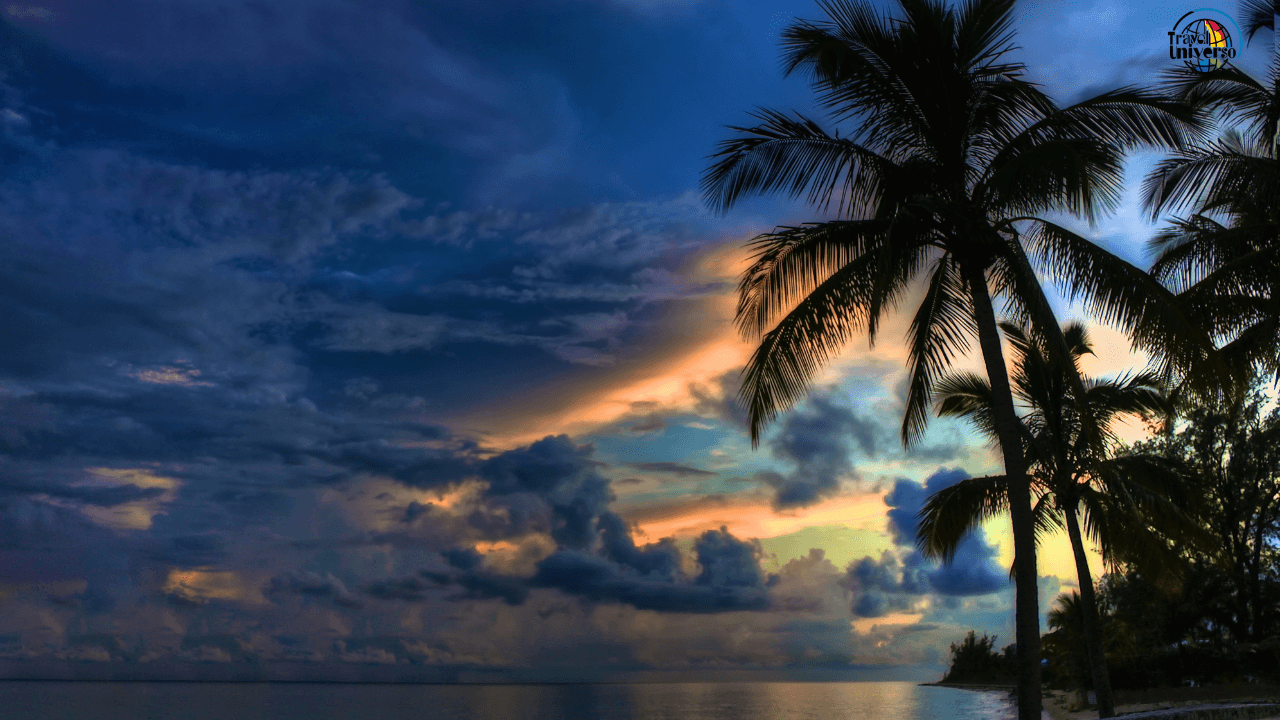
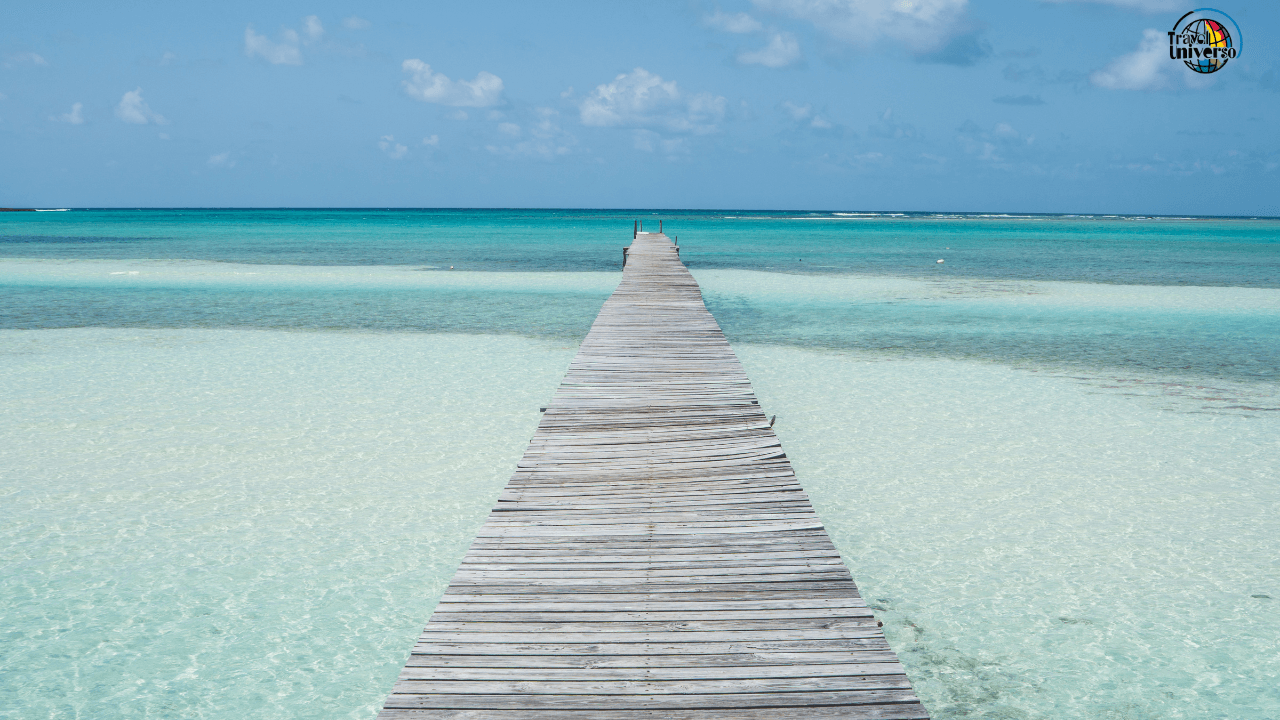
The Bahamas reveals completely different faces depending on the moon. During new moons, the bioluminescent bays of Exuma explode with blue-green light as you swim through liquid stars. Full moons bring the lowest tides of the month, exposing sandbars that connect islands and creating temporary beach highways you can walk across. Local fishermen plan their trips around these cycles, and you should too.
Book accommodations on Eleuthera or Long Island during the three days surrounding a new moon if bioluminescence is on your list. The darker the sky, the brighter the water glows. Conversely, plan your sandbar adventures for the two days before and after a full moon when you can walk to islands normally accessible only by boat.
The Sunday Shift: When Islands Transform
Every Sunday, The Bahamas undergoes a complete transformation that tourists often miss entirely. This is when locals reclaim the islands. In Nassau, head to Arawak Cay (Fish Fry) on Sunday afternoons when families gather for conch salad, dominoes, and impromptu musical performances. The tourist spots empty out while the real party begins elsewhere.
On the Out Islands, Sunday means church followed by elaborate family gatherings. Many restaurants close, but this is precisely when you should accept that invitation from the dive shop owner or the woman who runs your guesthouse. Sunday meals in Bahamian homes feature recipes passed down through generations—think peas and rice cooked with actual pigeon peas, not canned, and johnnycake made from scratch.
The Grouper Moon: December's Hidden Spectacle
Every December and January, during the full moon, Nassau grouper gather by the thousands to spawn at specific sites throughout The Bahamas. Divers who know about this phenomenon can witness one of the ocean's most spectacular gatherings. The fish form massive aggregations, creating walls of grouper that block out the sun.
Local dive operators on Cat Island and Long Island offer special trips during these moon phases. You need to book months in advance because spaces are limited and the phenomenon only lasts a few days each month. This isn't on typical tourist itineraries, but marine biologists travel from around the world to witness it.
Rake and Scrape Season: Summer's Authentic Soundtrack
While most visitors come during winter's peak season, summer brings rake and scrape music festivals across the islands. This uniquely Bahamian genre, played on saw, goatskin drum, and accordion, fills the streets of settlements from June through August. The best performances happen at small festivals in places like Cat Island's Tea Bay and the Acklins Island Regatta.
Summer also means lower prices, fewer crowds, and locals who have more time to chat because the tourist rush has ended. Yes, it's hotter and there's rain, but afternoon showers are brief and actually refreshing. The water temperature peaks at a perfect 84°F, and you'll have famous beaches almost to yourself.
The Bread Route: Following Weekly Baking Schedules
On smaller islands, fresh bread is baked on specific days of the week. In Gregory Town, Eleuthera, the bakery fires up Wednesday and Saturday mornings. On Cat Island, different settlements bake on different days, creating an informal bread route that locals follow. Knowing these schedules means you can plan your island exploration around fresh coconut bread and cinnamon rolls still warm from the oven.
Ask at your accommodation about local baking schedules. These bakeries often operate from people's homes and aren't marked on any map. Showing up on baking day with a smile and cash in hand will reward you with some of the best bread you've ever tasted.
Hurricane Season's Silver Lining: September Through November
The period from September through November gets written off by many travelers, but this is when The Bahamas offers its best value and smallest crowds. Most hurricanes, statistically, miss The Bahamas entirely. Modern forecasting gives you a week's warning, and travel insurance covers weather disruptions.
During these months, luxury resorts drop their rates by 40-60%. You can actually get reservations at impossible-to-book restaurants. The ocean is warmest, the fish are most active, and locals are genuinely happy to see visitors during their slow period. Book a refundable rate, watch the forecast, and be flexible with your exact dates.
The Mailboat Schedule: Traveling Like a Local
Mailboats still connect Nassau to the Out Islands on regular schedules that have remained mostly unchanged for decades. These cargo-and-passenger boats leave Potter's Cay in Nassau on specific days for specific islands. Taking the mailboat to Eleuthera, Cat Island, or Long Island gives you a completely different arrival experience than flying.
The boats leave early morning, and schedules are firm because mail delivery runs on routine. You'll ride with locals returning home with supplies, sit on sacks of flour, and arrive at your destination truly understanding the island's distance from the capital. It's hot, crowded, sometimes rough, and absolutely authentic.
Market Days: When to Shop for Real
Nassau's Straw Market operates daily, but it's the small settlement markets that open on specific days where you'll find genuine crafts and local produce. Potter's Cay Market in Nassau comes alive early morning when boats arrive with fresh catch. The best conch salad stands prepare their mise en place between 10am and noon, right before the lunch rush.
On Eleuthera, the Governor's Harbour market happens Saturday mornings. On Abaco, Marsh Harbour's market peaks on Wednesdays. These aren't tourist attractions but actual markets where locals shop, meaning prices are real and goods are authentic.
Tide Timing: The Difference Between Magic and Mediocre
Low tide isn't just about exposed sandbars. It's when you can explore tidal pools filled with sea life, when certain beaches triple in width, and when specific caves become accessible. Dean's Blue Hole on Long Island is impressive anytime, but at low tide you can walk around its entire rim.
The Exuma Cays Land and Sea Park has beaches that completely disappear at high tide and stretch for miles at low. Timing your visit to specific beaches around the tide schedule changes your entire experience. Download a tide app before you go and plan your beach days accordingly.
The Sponge Harvest: An Endangered Tradition
In a few locations, primarily around Andros, traditional sponge harvesting still happens during specific seasons. While this practice has largely disappeared, some families maintain the tradition during summer months when sponges are harvested, processed, and sold. Watching this ancient process requires connecting with locals and asking around, but it offers a window into Bahamian history that's rapidly vanishing.
Planning Your Visit Around These Rhythms
Start by choosing your moon phase based on whether you want bioluminescence or sandbar access. Layer in the day of the week, considering that Sundays offer local experiences while Wednesdays through Saturdays see the most activity at restaurants and attractions. Check the tide tables for the beaches you most want to visit. Finally, look at the broader seasonal calendar to balance weather, prices, and crowds.
The Bahamas rewards visitors who pay attention to these rhythms. Rather than fighting against the natural pace of island life, sync your schedule with it. Wake early when fishermen return with fresh catch, rest during midday heat when locals do, and come alive in the evening when temperatures drop and music starts. This isn't about seeing more attractions—it's about experiencing the islands the way they actually exist, in rhythm with tides, moons, and traditions that have shaped Bahamian life for generations.
Get our travel tips, itineraries and guides by email
Sign up for my newsletter!
Name
Let us know what you think in the comments!
Newsletter
Subscribe to the newsletter and stay in the loop! By joining, you acknowledge that you'll receive our newsletter and can opt-out anytime hassle-free.
© 2026 Travel Universo. All rights reserved.