





The Thailand Nobody Photographs: A Guide to the Kingdom Beyond the Beaches
Everyone knows Thailand for its postcard-perfect beaches, Instagram-famous temples, and full moon parties. But after years of returning to this country—watching it evolve, diving deeper each time—I've discovered that the real Thailand exists in the spaces between the tourist trail. It's in the morning markets where no one speaks English, in the upcountry towns foreigners pass through on their way to somewhere "better," in the rhythms of Thai life that unfold when you stop chasing the next photo opportunity.
This is the Thailand that changes you, not the one you simply visit.
The Morning Market Migration
Set your alarm for 5 AM. Yes, seriously. In every Thai town—from Bangkok to the smallest provincial capital—the day begins at the talat sao (morning market), and missing it means missing the heartbeat of Thai life.
In Chiang Mai, skip the touristy Sunday Walking Street and head to Somphet Market before dawn. Watch vendors arranging pyramids of mangosteen, rambutan, and fruits you've never seen before. Elderly women squat beside blankets covered in wild-foraged greens and edible flowers. The prepared food section becomes a masterclass in regional Thai cuisine: khao soi (curry noodles), nam prik (chile pastes) with fresh vegetables, sai oua (northern Thai sausage), and dozens of curry variations that never appear in Western Thai restaurants.
The secret? Eat breakfast here. Point at what locals are eating. A full meal costs 40-60 baht (barely over a dollar). The elderly vendor who's been making the same khao tom (rice soup) for 40 years won't speak English, but she'll pile extra pork in your bowl and smile when you say "aroi" (delicious).
This ritual repeats everywhere: in Phitsanulok's Wat Mahathat market, in Nakhon Si Thammarat's wholesale market, in the sois (side streets) of Bangkok that tourists never wander. Morning markets are where Thailand feeds itself, and you're welcome to join—just arrive before 8 AM, when the best food sells out and vendors pack up.
Upcountry: The Thailand Tourists Skip
Here's an uncomfortable truth: most travelers experience Thailand along a well-worn path from Bangkok to Chiang Mai to the southern islands, missing the vast, fascinating middle entirely. But Thailand's cultural heartland—the regions that shaped its identity—lies in places like Isan (the northeast) and the central plains.
Take Sukhothai, the first capital of Siam. Yes, there's a historical park (visit it), but the real discovery is modern Sukhothai town—a sleepy provincial city where life moves slowly, families run the same shophouses their grandparents did, and the evening market along the river is entirely devoid of tourists. Rent a bicycle for 50 baht and ride through neighborhoods where wooden Thai houses on stilts still outnumber concrete shopfronts.
Better yet, venture into Isan—Thailand's largest region, bordering Laos and Cambodia. Cities like Udon Thani, Khon Kaen, and Nakhon Phanom offer something rare: authentic Thai urban life without a single backpacker hostel or banana pancake vendor. The food here is different (spicier, more fermented, more adventurous), the language shifts (many speak Lao dialects), and the culture reflects centuries of distinct regional identity.
In Isan, order som tam (papaya salad) made the local way—with fermented fish sauce, not the tourist-friendly tamarind version. Try larb (spicy minced meat salad), sai krok (fermented sausage), and sticky rice eaten with your hands. Sit at a plastic table under fluorescent lights, surrounded by locals who are genuinely surprised to see a foreigner, and taste Thailand as it actually exists for most Thais.
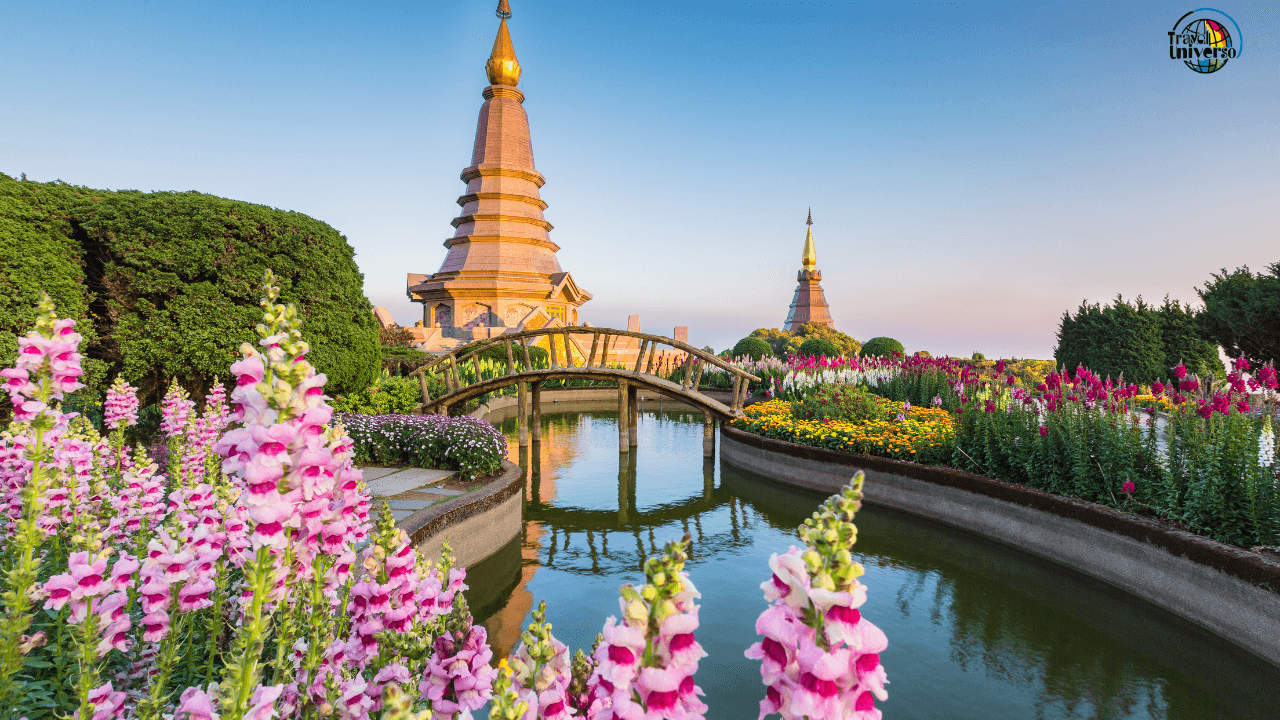
The Temple No One Tells You About
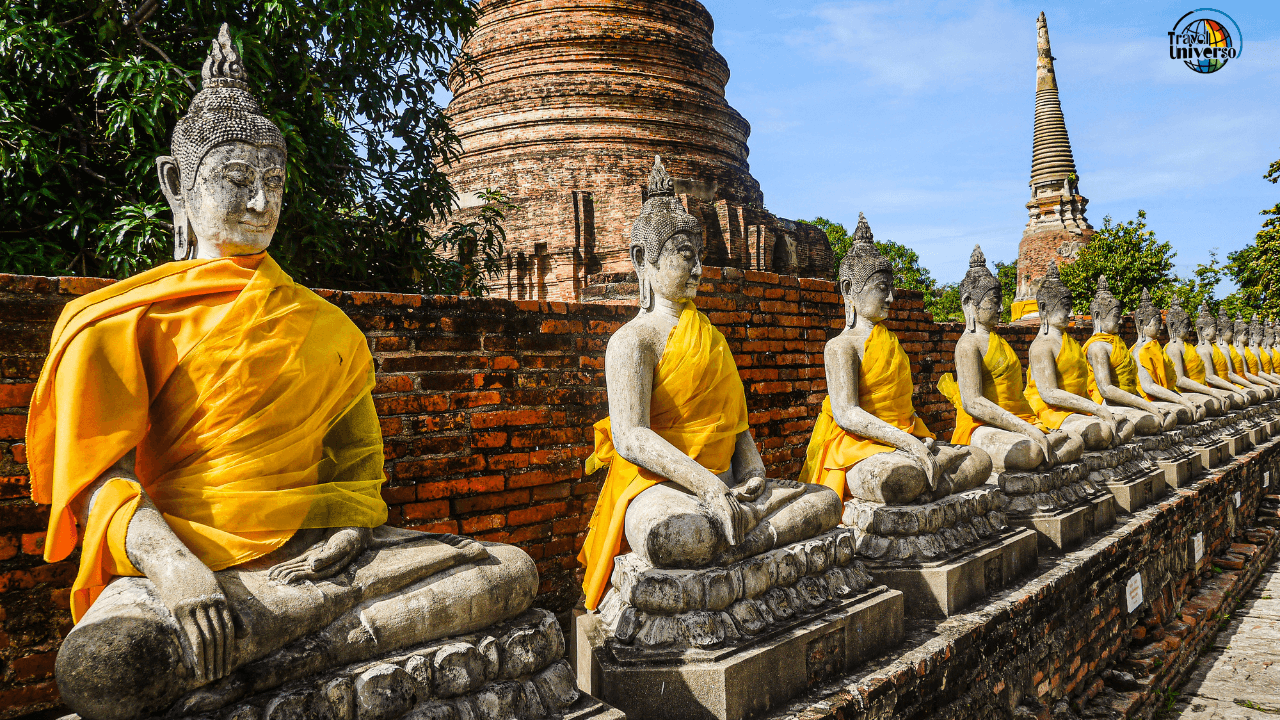
Everyone photographs Wat Pho's reclining Buddha and Wat Arun's towers. But Thailand has over 40,000 Buddhist temples, and the most meaningful experiences happen in the ones guidebooks ignore.
In any Thai town, find the local wat (temple) just before evening chanting—usually around 5 or 6 PM. Sit quietly in the back of the ordination hall. Monks file in, young novices arrange offerings, and suddenly the space fills with Pali chanting that's been echoing through these halls for centuries. No tour groups. No entrance fee. No performance. Just practitioners doing what they've done every evening for lifetimes.
Some temples become true sanctuaries. Wat Umong in Chiang Mai has forest meditation tunnels where you can sit in centuries-old brick passages, surrounded by silence and tree roots. Wat Phra That Doi Suthep (yes, touristy at midday) transforms at 5 AM, when local devotees make merit before work, the valley still shrouded in mist.
The rule: remove shoes, dress modestly (shoulders and knees covered), sit lower than any Buddha image, and be quiet. Thai Buddhism is remarkably welcoming, but respect isn't optional—it's everything.
Learn to Read the Food Stall
Thailand's best food isn't in restaurants—it's at street stalls and shophouse canteens, and learning to identify quality changes everything.
Look for these signs: older vendors (experience matters), a crowd of locals (Thais are obsessive about good food), ingredients prepped fresh throughout the day, and specialization (the best vendors make one or two dishes perfectly rather than offering everything).
In Bangkok, skip Khao San Road entirely. Instead, head to neighborhoods like Ari, Ekkamai, or along Sukhumvit Soi 38 (before it gentrified). Better yet, venture to the old neighborhoods—Talat Phlu, Saphan Taksin area, Rama IV road—where shophouse restaurants have been run by the same families for generations.
Order what you don't recognize. That nondescript bowl of noodles an office worker is eating? It's probably incredible. The curry simmering in clay pots since morning? Order it with rice. The grilled items on bamboo skewers? Point at what looks good.
Learn these phrases: "Mai sai nam tan" (no sugar—yes, they add sugar to everything), "Pet nit noi" (a little spicy—they'll still make it mild for foreigners unless you insist), and "Aroi maak" (very delicious—vendors beam when you say this).
The Slow Boat to Nowhere
Thailand's rivers and canals tell stories that highways can't. In Bangkok, forget the tourist boat along the Chao Phraya—take the small khlong boats that locals use as water buses through the city's ancient canal network. For 20 baht, you'll pass through neighborhoods where traditional Thai houses on stilts lean over the water, where morning glory grows wild, where monks collect alms from boats, where life moves to a rhythm that predates the modern city rising in the background.
Up north, take the slow boat from Chiang Mai to Chiang Rai along the Mae Kok River (not to be confused with the slow boat to Laos). This local river ferry stops at riverside villages barely touched by tourism. You'll share the boat with monks, farmers carrying produce, schoolchildren, and chickens. The journey takes twice as long as the bus and costs half as much, and you'll see the Thailand that exists when nobody's performing for cameras.
In the south, explore the canals of the Samut Songkhram and Samut Sakhon provinces—the "real" floating markets where vendors actually use boats to sell to other locals, not tourists. Come at dawn. Bring patience. Expect zero English and maximum authenticity.
Master the Art of Sanuk
Thais have a concept that's often translated as "fun" but means something deeper: sanuk. It's the idea that life should be enjoyable, that work without sanuk is drudgery, that even difficult tasks should contain elements of pleasure and humor.
This explains so much about Thailand: why tuk-tuk drivers blast music and decorate their vehicles with LED lights, why construction workers pause for elaborate coffee breaks, why even the most mundane transaction involves smiles and small talk, why Thais will go absurdly out of their way to help you and seem to enjoy it.
You can't force sanuk, but you can be open to it. Say yes to the random invitation to someone's house for dinner. Join the pickup soccer game in the park. Stop at the impromptu concert outside a temple during a festival. Dance badly at the village celebration. Let the grandmother at the market practice her three English words with you. Laugh when things go wrong (Thais laugh at mishaps—it's how they defuse tension).
The moment you stop treating Thailand as a backdrop for your travel goals and start engaging with the actual place—the people, the rhythms, the unexpected moments—is when sanuk happens.
Stay Long Enough to See the Season Change
Thailand reveals itself slowly. The first week, you see temples and beaches. The second week, you notice patterns. But stay a month, and you begin to understand the subtleties: how neighborhoods have distinct personalities, how Thai social hierarchy works through language and gesture, how the monsoon transforms the landscape overnight, how food changes with the seasons.
Thailand has three seasons that profoundly affect daily life: hot (March-June), rainy (July-October), and cool (November-February). Locals plan their lives around these cycles. The hot season brings mango season—street vendors sell a dozen varieties. The rainy season brings mushroom foraging, river flooding, and a slower pace as afternoon downpours dictate schedules. The cool season brings festivals, harvest celebrations, and perfect weather.
Rent a small apartment in a non-touristy neighborhood for a month. Shop at the local market. Learn your neighbors' routines. Eat at the same som tam stall until the vendor remembers your order. Watch the temple across the street prepare for a festival. Take language lessons. Get lost on purpose.
This is when Thailand stops being exotic and starts being home—even temporarily. And that shift in perspective, from tourist to temporary resident, reveals the country's true generosity: it's a place that welcomes you not just to visit, but to actually live, even briefly, as part of its daily tapestry.
The Lesson Thailand Teaches
If Istanbul teaches you the art of keyif—contentment through simple pleasures—Thailand teaches you sanuk: finding joy not as an end goal but as an ingredient in everything you do. The Thais have survived coups, economic crashes, and massive social change while maintaining something remarkable: a cultural commitment to kindness (jai yen, a cool heart), respect (greng jai, consideration for others), and enjoying life even when it's hard.
You can't learn this from a three-day itinerary hitting the greatest hits. You learn it by slowing down enough to notice how Thais actually live—how they greet each other with a wai (hands pressed together), how they speak softly even in disagreement, how they feed stray dogs at temples, how they stop everything for the royal anthem at 8 AM and 6 PM, how they approach problems with smiles that aren't naivety but rather a philosophy of not letting stress destroy inner peace.
The Thailand in the guidebooks is beautiful. But the Thailand you discover when you wake up early for the market, when you venture into upcountry towns, when you sit quietly in a temple at dusk, when you eat what locals eat and go where they actually go—that Thailand is transformative.
And it's been waiting there all along, just beyond the beaches and the full moon parties, in the morning light of a provincial market, in the smile of a vendor who's genuinely happy you tried her food, in the quiet moment when you realize you've stopped being a tourist and started being a guest.
Get our travel tips, itineraries and guides by email
Sign up for my newsletter!
Name
Let us know what you think in the comments!
Newsletter
Subscribe to the newsletter and stay in the loop! By joining, you acknowledge that you'll receive our newsletter and can opt-out anytime hassle-free.
© 2026 Travel Universo. All rights reserved.