





The Silence Economy: Your Guide to Australia's Quietest Corners
There's a peculiar luxury emerging in Australian tourism that has nothing to do with five-star resorts or adventure activities. It's something far more elusive: silence. Not the muffled quiet of a library, but the kind of profound, almost supernatural silence that exists in only a handful of places on Earth. If you've ever felt overwhelmed by the constant noise of modern life, Australia's silent spaces offer something you didn't know you were craving.
The concept might sound abstract until you experience it yourself. Stand in the middle of Lake Eyre during the dry season, or venture deep into the Nullarbor Plain at dawn, and you'll encounter something that urban-dwelling humans have almost forgotten exists: the complete absence of human-generated sound. No distant highway hum, no airplane trails overhead, no electrical buzz. Just the occasional whisper of air moving across ancient earth, and your own heartbeat suddenly loud in your ears. For many travelers, it's the most memorable part of their Australian journey.
Where to Find Australia's Quietest Places
The Flinders Ranges, South Australia
The Flinders Ranges offer some of the most accessible "deep silence" experiences in Australia. Several eco-lodges and wellness retreats in the area now specialize in what they call "sound healing tourism." Arkaba Station and Rawnsley Park Station both offer guaranteed quiet zones where ambient noise drops below 20 decibels—quieter than a whisper. Best visited during autumn and spring when temperatures are mild, you can combine silence retreats with bushwalking and stargazing. The contrast between the silence at ground level and the visual spectacle of the Milky Way overhead creates an experience that engages multiple senses in unexpected ways.
The Nullarbor Plain, South Australia/Western Australia
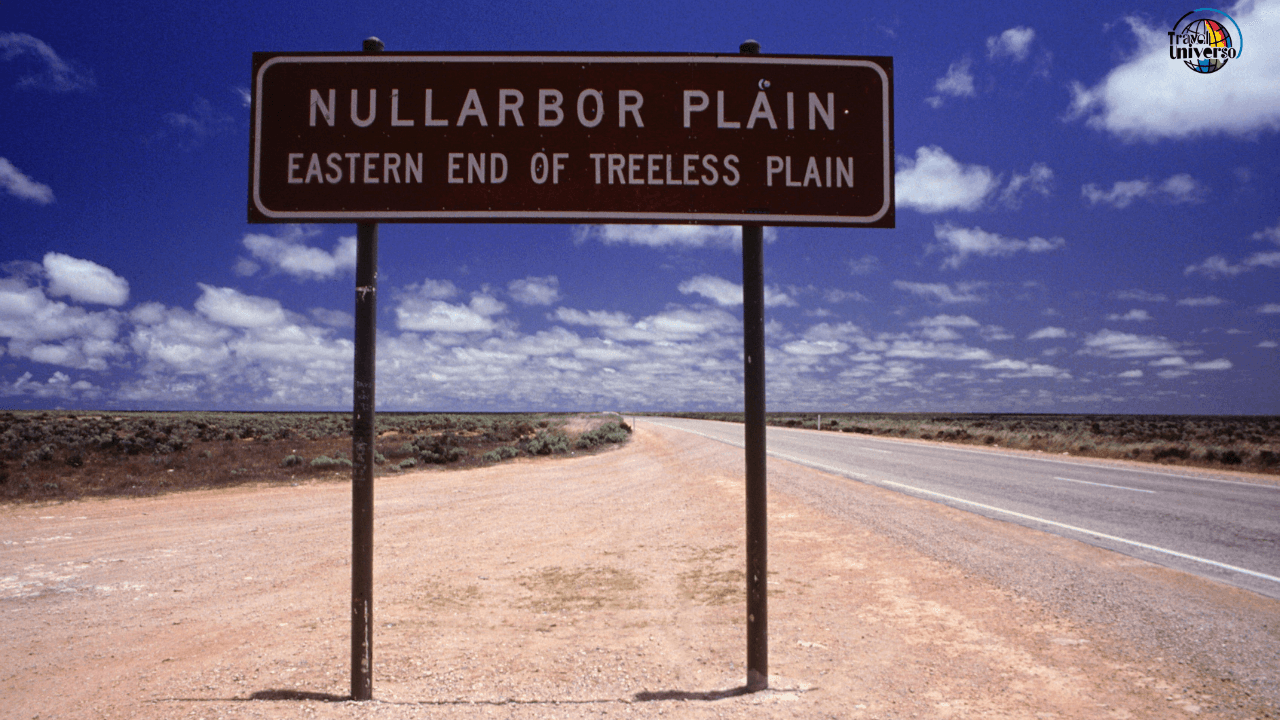
The Nullarbor isn't just Australia's longest straight road—it's also one of the quietest places on the continent. If you're driving the route between Adelaide and Perth, plan to stop at one of the remote roadhouses at dawn or dusk and walk just a few hundred meters from the highway. The silence here is so profound that many visitors report feeling disoriented at first. Head of Bight is particularly special, where you can experience deep silence alongside seasonal whale watching. Consider staying at Nullarbor Roadhouse or Border Village and setting your alarm for sunrise—the acoustic experience is worth the early wake-up.
Tasmania's Southwest Wilderness
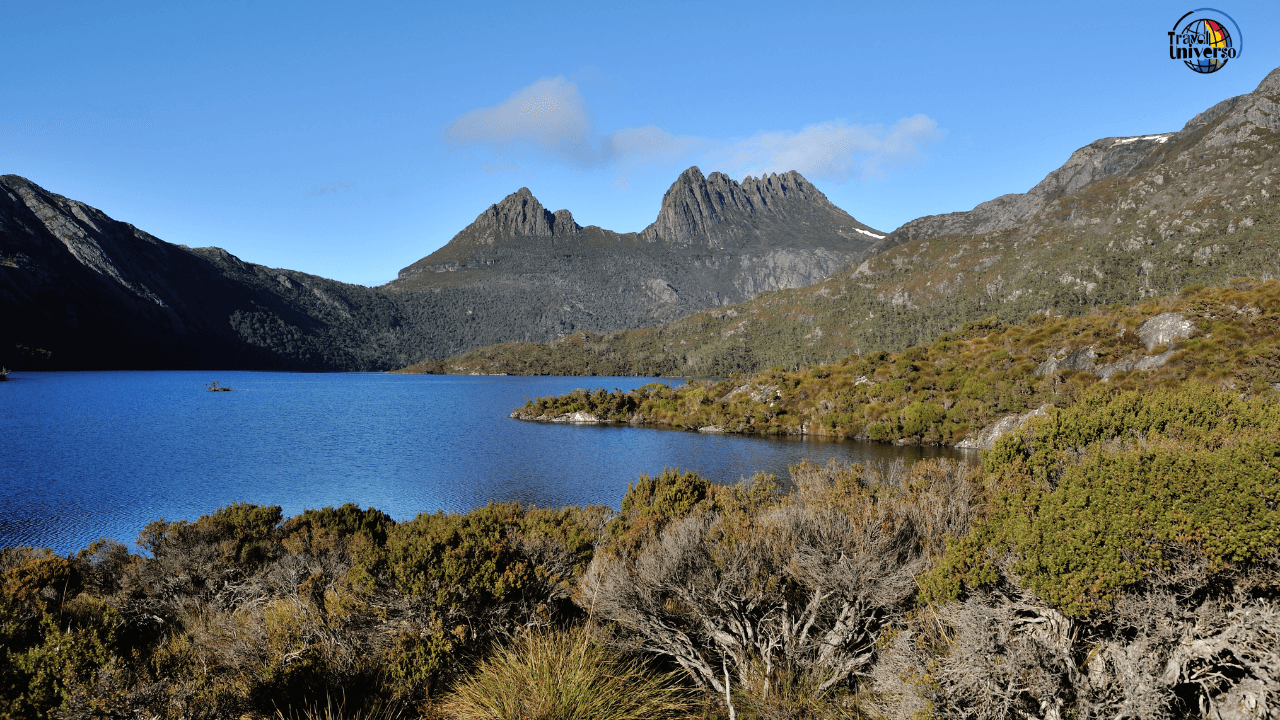
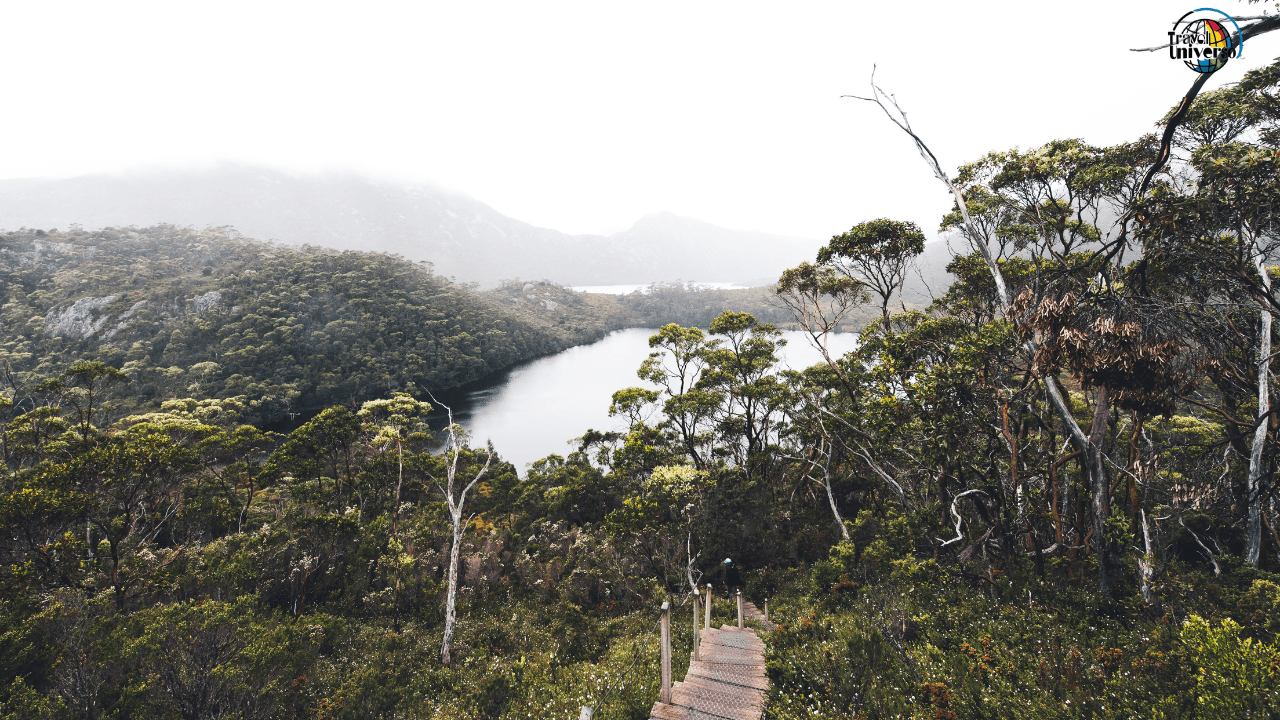
Tasmania's World Heritage wilderness areas offer some of the most pristine soundscapes in the world. The remote corners of Southwest National Park, accessible only by boat or multi-day hike, maintain near-complete silence for days at a time. For those not ready for extreme wilderness, Cradle Mountain-Lake St Clair National Park offers more accessible quiet zones. Visit during shoulder seasons (April-May or September-October) to avoid peak tourist crowds. Several tour operators now offer "acoustic hiking" experiences where guides lead you to the quietest spots and teach you to identify the subtle natural sounds that emerge.
The Kimberley, Western Australia
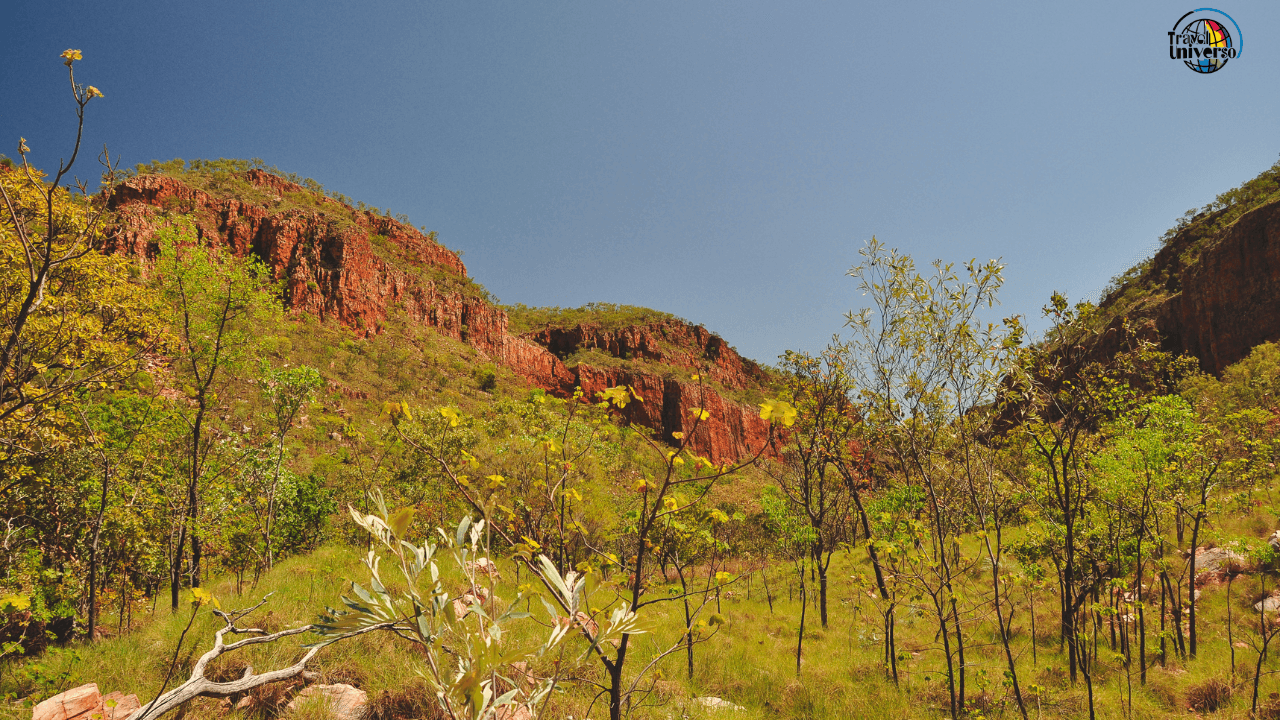
The Kimberley's vast scale creates natural sound shadows where human noise simply doesn't reach. While the gorges and waterfalls offer spectacular scenery, some of the region's most powerful experiences happen in its quietest moments. El Questro Wilderness Park offers luxury accommodations with designated silence periods, and several operators run "quiet cruises" on the Berkeley River where engine noise is minimized. The dry season (May-September) offers the best access and weather. Dawn and dusk are prime times when even wildlife quiets down, creating windows of near-total silence.
The Great Victoria Desert
Australia's largest desert offers silence on a scale that's hard to comprehend. While much of the area is remote and requires serious preparation, several tour operators now specialize in "silence experiences" with comfortable camping setups. Mamungari Conservation Park (formerly Unnamed Conservation Park) is particularly notable—it's so remote that it maintains some of the lowest ambient noise levels ever recorded. These tours typically run for 3-5 days and include all equipment and guides experienced in desert safety.
Planning Your Silence Journey
Timing Matters
The quality of silence varies significantly with time of day and season. Dawn (30 minutes before sunrise) typically offers the quietest periods, as nocturnal animals settle and diurnal ones haven't yet begun their morning routines. Avoid school holidays and peak tourist seasons if silence is your primary goal. Weekdays are generally quieter than weekends in accessible locations.
What to Bring
The absence of noise makes you more aware of every sound you create. Consider leaving behind jingling keys, rustling rain jackets, and noisy packaging. Many experienced silence seekers bring soft-soled shoes, quiet clothing (avoid synthetic materials that swish), and minimal gear. A journal is valuable—many people find that silence unlocks thoughts and observations worth recording. Some visitors bring sound meters (available as smartphone apps) to measure the acoustic experience, though this can feel like it defeats the purpose.
Preparing Yourself
If you're accustomed to constant background noise, true silence can feel unsettling at first. Some people experience mild anxiety or heightened awareness of their own body sounds (heartbeat, breathing, joint movements). This is normal and typically passes within 15-30 minutes. Consider starting with shorter silence experiences before committing to multi-day retreats. Meditation or mindfulness practice beforehand can help you settle into the experience more comfortably.
Health Benefits Worth Noting
Research shows that even brief periods in profoundly quiet environments can lower blood pressure, improve sleep quality, and reduce stress hormones. Many visitors report sleeping better for weeks after a silence retreat. If you suffer from tinnitus, consult with your doctor before planning extended periods in extremely quiet environments, as silence can sometimes make you more aware of the condition.
Silence Experiences and Tours
Several Australian operators now specialize in acoustic tourism:
Sounds of Silence, Uluru (Northern Territory)
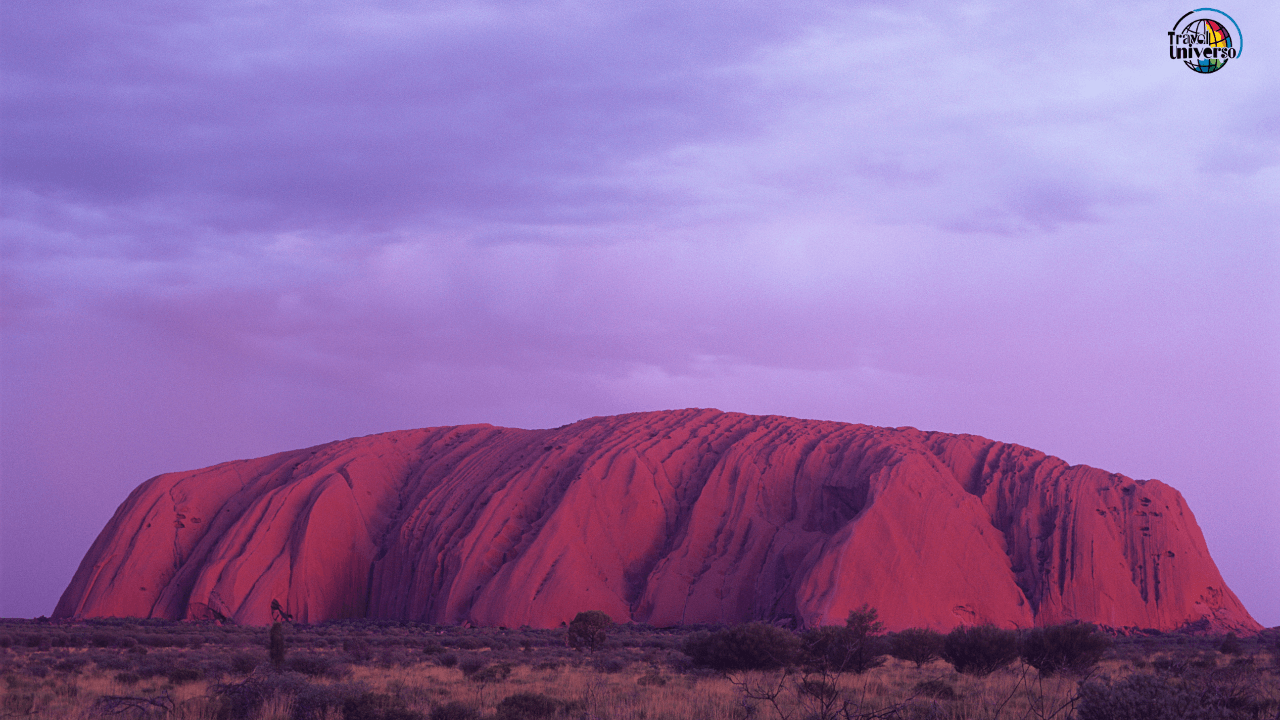
While this famous dinner experience isn't about complete silence, it includes guided quiet periods that introduce visitors to the concept of deep listening in the desert. It's a good entry point for those new to the idea.
Silence Retreats, Flinders Ranges (South Australia)
Multi-day programs combining silence practice with comfortable accommodations. Programs typically include guided sessions on "how to listen" and solo time in guaranteed quiet zones.
Acoustic Hiking, Cradle Mountain (Tasmania)
Specialized guides lead small groups (maximum 6 people) to the park's quietest corners, teaching participants to identify and appreciate subtle natural sounds while maintaining periods of complete human silence.
Desert Silence Camps, Western Australia
Luxury camping experiences in remote desert locations, specifically designed around the acoustic experience. These typically run for 3-5 nights and include all meals and equipment.
Wilderness Sound Mapping, Various Locations
For the technically inclined, some operators offer citizen science experiences where you help researchers map Australia's acoustic environments while experiencing profound quiet.
Combining Silence with Other Experiences
You don't have to choose between silence and other Australian experiences. Many travelers find that incorporating even brief periods of deep silence enhances their entire journey. Consider these combinations:
Start or end a Great Ocean Road trip with silence time in the Grampians
Add a silence retreat before or after exploring Tasmania's walking trails
Include quiet dawn sessions during a Red Centre itinerary
Combine whale watching at Head of Bight with Nullarbor silence experiences
Break up a Perth-to-Adelaide road trip with intentional silence stops
Practical Tips for Silence Seeking
Transportation: Remote locations often require 4WD vehicles. Many silence retreat operators include transfers in their packages. If self-driving, ensure your vehicle is well-maintained—breakdowns in remote quiet zones are both dangerous and ironic.
Accommodation: Options range from luxury eco-lodges to wilderness camping. Book well in advance for specialized silence retreats, which often have limited capacity to protect the acoustic environment.
Communication: Most deep silence locations have no mobile coverage. Inform someone of your itinerary and expected return time. Consider carrying a satellite phone or emergency beacon for remote areas.
Respecting the Experience: If you encounter other silence seekers, maintain quiet even during passing. A nod or smile communicates without breaking the acoustic environment others have traveled far to experience.
Photography: Use silent shutter modes if available. The mechanical click of a camera can be jarring in profound silence. Better yet, consider limiting photography and focusing on being fully present.
Why Now?
Australia's silent spaces are becoming increasingly recognized as valuable both ecologically and culturally. Some areas are implementing quiet hour restrictions to preserve these acoustic environments. Visiting now means experiencing something that may become more regulated or restricted in coming years as awareness grows.
More importantly, in our hyperconnected world where silence has become scarce, Australia offers what might be humanity's last accessible frontier of profound quiet. It's not just a break from noise—it's a chance to remember what your hearing was designed to do: detect the subtle, the distant, the nuanced signals that modern life's constant acoustic assault masks completely.
Whether you're seeking stress relief, creative inspiration, or simply a memorable experience unlike anything else, Australia's silence economy offers something money usually can't buy: the luxury of absolute quiet in some of Earth's most ancient landscapes.
Getting Started
If you're intrigued but not ready to commit to a full silence retreat, start small:
Choose one location from this guide that fits your existing Australia itinerary.
Plan for just one dawn silence session (even 30 minutes can be profound).
Research local tour operators who understand the acoustic environment.
Book accommodations that recognize and protect quiet hours.
Approach the experience with curiosity rather than expectations.
The silence is waiting. And in a world that gets louder every year, that might be Australia's most valuable gift to travelers willing to listen—or rather, to experience the absence of everything that usually prevents us from truly hearing at all.
Get our travel tips, itineraries and guides by email
Sign up for my newsletter!
Name
Let us know what you think in the comments!
Newsletter
Subscribe to the newsletter and stay in the loop! By joining, you acknowledge that you'll receive our newsletter and can opt-out anytime hassle-free.
© 2026 Travel Universo. All rights reserved.