





The Distance Decoder: Why South Africans Measure Everything in Hours, Not Kilometers
Ask a South African how far it is between Cape Town and Johannesburg, and they'll tell you "it's about a thirteen-hour drive" without mentioning that it's 1,400 kilometers. This isn't just a quirky linguistic habit—it reveals something fundamental about how South Africans experience their vast country and how you should plan your journey. In a nation where a "quick weekend trip" can mean six hours of driving each way, where neighbors might live an hour apart, and where the concepts of "nearby" and "far" operate on a completely different scale than most of the world, understanding distance in terms of time rather than measurement changes everything about how you travel.
The Road Trip DNA: Why Driving Defines South African Travel
South Africans are raised on road trips. Family holidays mean packing the car at 3am to "beat the traffic" and driving eight hours to reach a beach town. Visiting relatives involves multi-hour journeys that are considered routine. This driving culture has shaped everything from how attractions are spaced to where restaurants place their locations to how the tourism infrastructure operates.
The result is a country designed around the assumption that visitors will drive significant distances. Unlike European destinations where everything clusters within walking distance, South African experiences spread across vast territories. The famous Garden Route isn't a single destination but a 300-kilometer stretch requiring multiple days and constant driving. Kruger National Park is larger than entire European countries. Wine valleys that appear close on maps require careful planning because "the next winery" might be a 30-minute drive through mountain passes.
Understanding this changes your entire planning approach. Stop counting destinations and start counting driving hours. South Africans budget trips by calculating "we can do five hours of driving per day comfortably" rather than "we can visit twelve towns." Follow their lead and your trip becomes relaxed rather than rushed.
The 3am Departure Phenomenon
If you spend time with South African families, you'll notice a peculiar pattern: major trips begin before dawn. Leaving at 3am or 4am isn't unusual—it's standard practice. This tradition developed from practical wisdom about avoiding midday heat, missing traffic, and maximizing daylight hours at the destination.
More importantly, it transforms long drives from ordeals into adventures. Children sleep through the first few hours. You watch the sunrise from the road. You arrive at your destination mid-morning, ready to start activities. The drive itself becomes peaceful rather than tedious.
Adopt this strategy for your longest drives. That eight-hour journey from Johannesburg to Kruger becomes manageable when you leave at 4am, watch dawn break over the Lowveld, and arrive at your safari lodge in time for lunch and an afternoon game drive. The roads are empty, the light is beautiful, and you've turned driving time into experience time.
The Roadside Economy: What Distance Creates
South Africa's vast distances have created a unique roadside culture that most international visitors miss entirely. Every major route has its famous stops—places where everyone breaks their journey. These aren't random rest areas but institutions with their own reputations, specialties, and loyal followings.
The Wimpy at Harrismith on the N3 between Johannesburg and Durban serves as an unofficial landmark. "We'll meet you at the Harrismith Wimpy" is a complete set of directions. Beaufort West on the N1 to Cape Town acts as the psychological halfway point where everyone stops. These places exist because of distance, and they've become woven into South African travel culture.
Learn these landmarks and use them. They're where you'll see South African families on holiday, where truckers share the best route information, and where you'll understand the rhythm of long-distance travel in this country. The garage shop snacks, the roadside farm stalls selling biltong and dried fruit, the predictable layout of every Wimpy and Steers—these are the texture of South African distance.
The "Day Trip" Redefinition
A South African day trip operates on a scale that surprises most international visitors. Driving three hours to spend two hours at a destination, then driving three hours back, is considered perfectly reasonable. "Let's go to the beach" can mean a six-hour round trip. "We're just popping to the next town" might involve 90 minutes of highway driving.
This isn't inefficiency—it's opportunity. That three-hour drive to reach a specific restaurant is justified because the restaurant is genuinely worth it. The two-hour journey to see a particular waterfall makes sense because that waterfall is spectacular. South Africans have calibrated their effort-to-reward calculations across bigger distances.
Recalibrate your own expectations. If locals will drive two hours for lunch at a specific spot, trust that it's probably exceptional. If a viewpoint requires 90 minutes of driving, it's likely genuinely stunning. The distance itself acts as a filter—only truly worthwhile destinations survive the distance test.
The Speed Calculation: Real Travel Time vs. Map Time
GPS systems tell you the theoretical driving time assuming perfect conditions. South Africans add the "reality buffer"—extra time for bathroom stops, fuel stops, photo opportunities, and the inevitable unexpected delays. A four-hour GPS estimate becomes a five-hour actual journey. A two-hour drive gets budgeted as three hours.
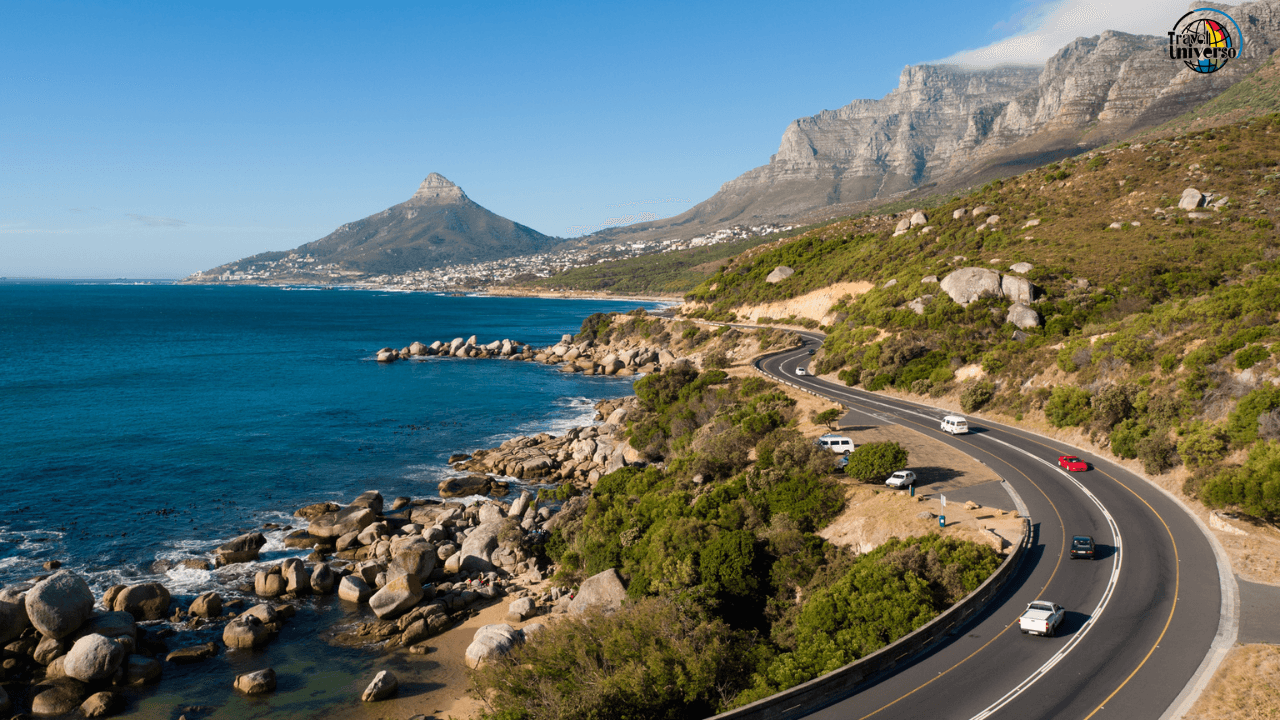
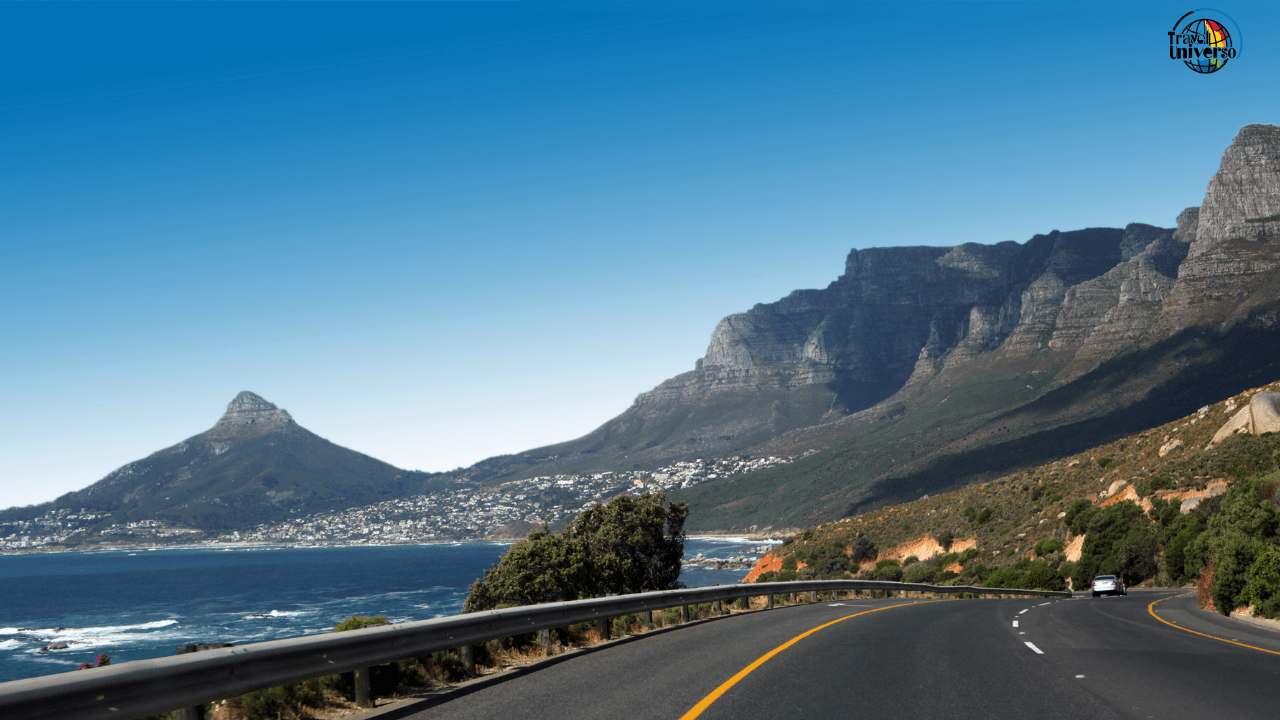
This calculation extends beyond basic additions. Mountain passes slow you down significantly. The route from Cape Town to Hermanus looks quick on maps but involves winding coastal roads where you can't maintain highway speeds. The roads through the Drakensberg require careful driving regardless of what your GPS suggests. Wildlife crossings in game reserves mean you might stop for elephants blocking the road.
Build in a 25% time buffer for all drives. That GPS estimate of six hours should be budgeted as seven and a half hours. This buffer transforms stress into slack—you'll actually enjoy spotting baboons on the roadside instead of cursing them for delaying you.
The Provincial Personality: How Distance Creates Distinct Identities
South Africa's provinces feel genuinely different from each other partly because the distances between them allow distinct cultures to flourish. The Western Cape's Mediterranean influence, Gauteng's urban hustle, KwaZulu-Natal's subtropical warmth, and the Eastern Cape's traditional heartland aren't just marketing angles—they're real differences maintained partly through geographic separation.
This means you need to think of South Africa less as one destination and more as multiple distinct regions requiring separate trips or significantly extended itineraries. Trying to "see South Africa" in ten days is like trying to see all of Europe in ten days. The distances won't allow it without turning the trip into pure driving.
Instead, choose one or two provinces maximum per visit. Explore the Western Cape thoroughly on one trip. Return another time for KwaZulu-Natal and the Drakensberg. Save the Garden Route for its own dedicated journey. South Africans understand their country requires multiple visits—you should too.
The Time Zone of Distance: When Hours Become Too Many
South Africans have an informal distance threshold where they switch from driving to flying: roughly seven to eight hours. Beyond that, even road trip enthusiasts opt for planes. This threshold reveals where the country's geography becomes genuinely challenging rather than just big.
If you're planning routes longer than eight driving hours, seriously consider flying instead. The overnight drive from Cape Town to Johannesburg is possible but miserable. The 14-hour trek from Johannesburg to Durban tests even experienced drivers. These distances exist in South Africa, but locals avoid driving them when possible.
Check domestic flight prices early in your planning. South Africa's competitive airline market often makes flying surprisingly affordable, and saving eight hours of driving can open entire extra days for activities. The money saved on car rental, fuel, and accommodation during driving days often offsets flight costs.
The Convoy Mentality: How South Africans Travel in Groups
Long distances have fostered a convoy culture where friends and family travel in multiple cars but stay together, communicating via WhatsApp, stopping at the same places, and looking out for each other. This isn't just social—it's practical. If someone has car trouble, help is immediately available. If someone knows a better route or stop, everyone benefits.
Solo travelers can tap into this by being friendly at rest stops and observing where South African families pause. These aren't random choices but tested stopping points on well-traveled routes. The patterns emerge: certain fuel stations have cleaner bathrooms, specific farm stalls have the best coffee, particular viewpoints are worth the detour.
The Scenic Route Philosophy
Because South Africans accept that driving takes time, they've developed sophisticated knowledge about which routes offer better views, experiences, or stops even if they take longer. The "quick route" exists, but the "good route" gets shared in travel conversations.
Ask locals about route alternatives. The direct highway might be faster, but the R62 through the Little Karoo offers mountain passes and quirky towns. The coastal road to Hermanus takes longer but provides whale watching opportunities. These alternatives exist because South Africans prioritize experience over pure efficiency when the time difference is manageable.
The Overnight Stop Strategy
For drives exceeding six hours, South Africans routinely plan overnight stops rather than pushing through. The Karoo towns between Cape Town and Johannesburg—places like Matjiesfontein, Beaufort West, or Three Sisters—exist largely to break these journeys. They're not major destinations but comfortable pause points.
This strategy transforms marathon drives into two-day mini-adventures. Stop in Graaff-Reinet when driving from Port Elizabeth to Johannesburg. Overnight in Oudtshoorn when traversing the Garden Route. These stops cost one extra night of accommodation but save fatigue and add unexpected experiences to your trip.
The Petrol Station Ritual
South African petrol stations operate as full-service operations where attendants pump your fuel, check your oil and tire pressure, and clean your windows. This isn't just service—it's strategic. It forces everyone to take proper breaks during long drives, ensures vehicle maintenance, and creates regular check-in points during marathons journeys.
Use these stops properly. Get out of the car. Stretch. Buy snacks for the next leg. Use clean bathrooms. Chat with attendants who often have valuable local knowledge. These aren't just fuel stops but mandatory rest breaks built into the distance culture.
The "We're Making Good Time" Calculation
South Africans constantly calculate whether they're "making good time" on long drives, measuring actual progress against expected progress. This running calculation determines whether they can skip a planned stop, need to add a break, or can arrive earlier than anticipated.
Adopt this mental framework. If your four-hour drive is going smoothly after two hours, you can add an unplanned stop without stress. If delays accumulate, you'll know to skip the optional viewpoint. This active time management transforms driving from something that just happens to you into something you actively navigate.
The Distance Creates the Destination
Perhaps most importantly, understanding South African distances reveals why certain places became destinations at all. Pilanesberg exists as a safari destination partly because it's closer to Johannesburg than Kruger. Hermanus became a whale-watching hub because it's a manageable day trip from Cape Town. The Garden Route towns spaced themselves naturally around comfortable driving distances between stops.
The geography isn't incidental—it created the tourism infrastructure. Recognizing this helps you understand why destinations cluster where they do, why certain routes are popular, and why some spectacular places remain relatively unknown (they're just too far from anywhere).
Embracing the South African Distance Mindset
The secret to traveling South Africa successfully is accepting distance as feature rather than bug. Those long drives between destinations become opportunities to see the country's dramatic landscape changes—from Cape mountains to Karoo plains to Lowveld bush. The hours on the road create the psychological space between experiences, making each destination feel distinctly different because you've literally traveled so far to reach it.
South Africans don't apologize for their country's size. They embrace it, plan around it, and find joy in the journey between destinations. Do the same. Count your trip in hours rather than kilometers, start your drives before dawn, budget extra time for the unexpected, and remember that in South Africa, getting there really is half the experience. The distance isn't something to overcome—it's something that shapes every aspect of how you'll experience this remarkable country.
Get our travel tips, itineraries and guides by email
Sign up for my newsletter!
Name
Let us know what you think in the comments!
Newsletter
Subscribe to the newsletter and stay in the loop! By joining, you acknowledge that you'll receive our newsletter and can opt-out anytime hassle-free.
© 2026 Travel Universo. All rights reserved.