





The Temperature Map: How to Navigate Oman's Microclimates Like a Local
Oman has a secret that transforms how smart travelers experience the country: at any given moment, the temperature can vary by 30°C (54°F) between different regions just a few hours apart. While tourists swelter in Muscat's summer heat, Omani families are sipping hot tea in Jebel Akhdar's cool mountain air wearing sweaters. Understanding these dramatic microclimates—and how locals migrate between them—is the key to experiencing Oman comfortably year-round and discovering why Omanis themselves are perpetually on the road chasing perfect weather.
The Vertical Escape: Oman's Elevation Strategy
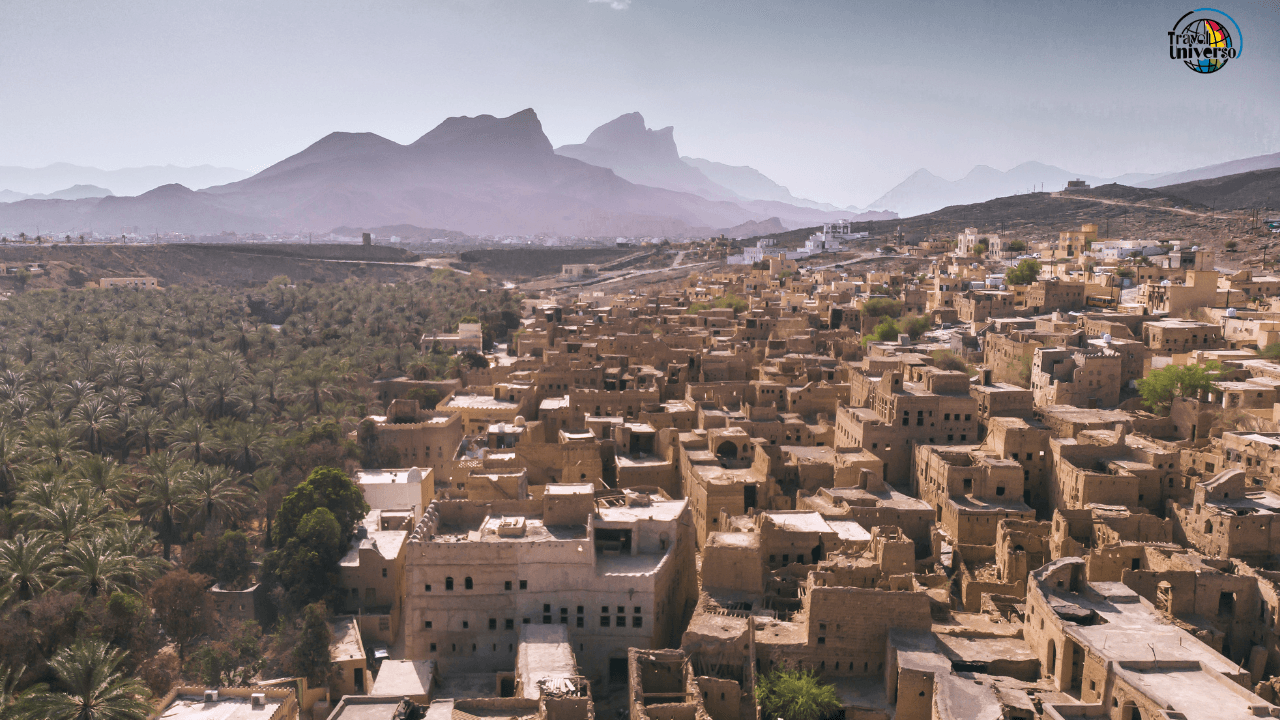
Omanis have perfected the art of altitude adjustment. When coastal cities hit 45°C in summer, families pack up every weekend and drive to the mountains where temperatures hover around 20°C. Jebel Akhdar (Green Mountain) and Jebel Shams (Mountain of the Sun) sit at over 2,000 meters, creating a completely different climate zone just two hours from the sweltering coast.
This isn't just about comfort—it's woven into Omani culture. Traditional summer houses dot the mountain villages, and locals maintain two wardrobes: one for the coast and one for the heights. Follow their lead. Book mountain accommodations from June through September, and you'll need a jacket at night while the rest of the Gulf region melts. The rose harvest in Jebel Akhdar happens in April precisely because of these cool temperatures, producing the fragrant rose water that flavors Omani sweets.
The Khareef Phenomenon: When the Desert Turns Green
Every year from June to September, something magical happens in Dhofar, Oman's southern region. Monsoon clouds from the Indian Ocean drench the area around Salalah, transforming brown hillsides into Irish-green landscapes with actual waterfalls. This is khareef season, and it's when the entire Gulf region descends on Salalah for vacation.
The temperature difference is startling. While the rest of Arabia bakes at 45°C, Salalah sits comfortably at 25°C under misty clouds. Locals walk around in light jackets, drinking hot coffee, while the mountains bloom with frankincense trees and wild grass. Book accommodations six months in advance for khareef, or consider visiting in late May or early October for the tail ends of the season with fewer crowds and similar conditions.
The Coastal Temperature Trap (And How to Avoid It)
Here's what happens to most first-time visitors: they arrive in Muscat, find it unbearably hot, and assume all of Oman is the same. Meanwhile, Omanis are texting each other about which wadi has the coolest water or which mountain pass caught morning fog. The coast is indeed hot most of the year, but it's just one climate zone among many.
The trick is simple—never stay in one temperature zone for your entire trip. Start your day at sunrise in Muscat when temperatures are pleasant (20-25°C even in summer), drive to the interior or mountains by mid-morning, spend the hot afternoon at elevation or in shaded wadis, then return to the coast for evening activities when temperatures drop again. This is exactly what locals do.
Wadi Wisdom: Nature's Air Conditioning
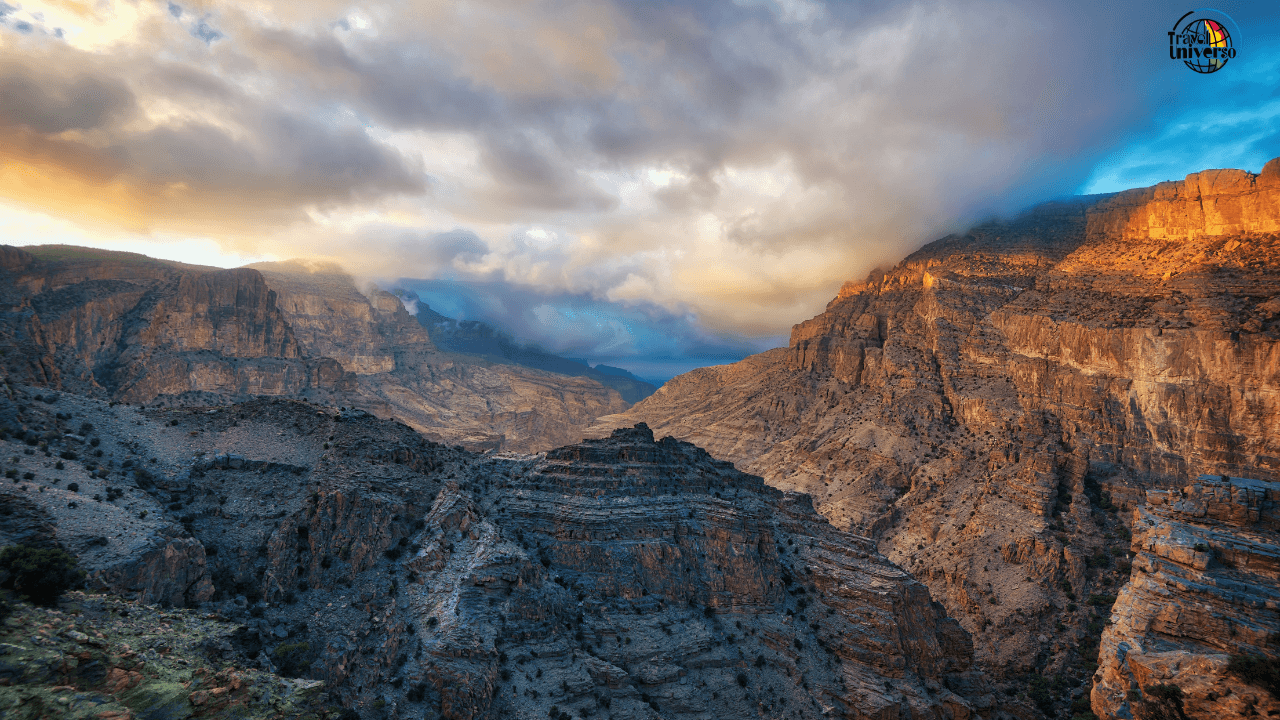
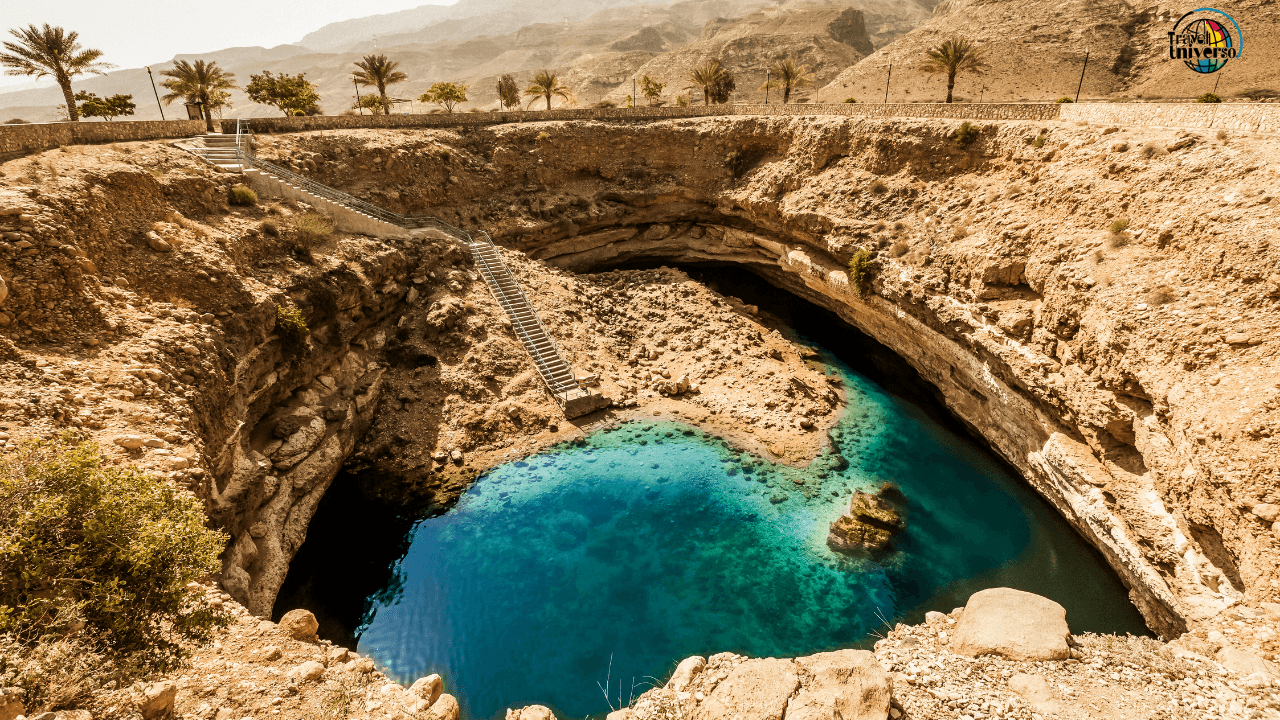
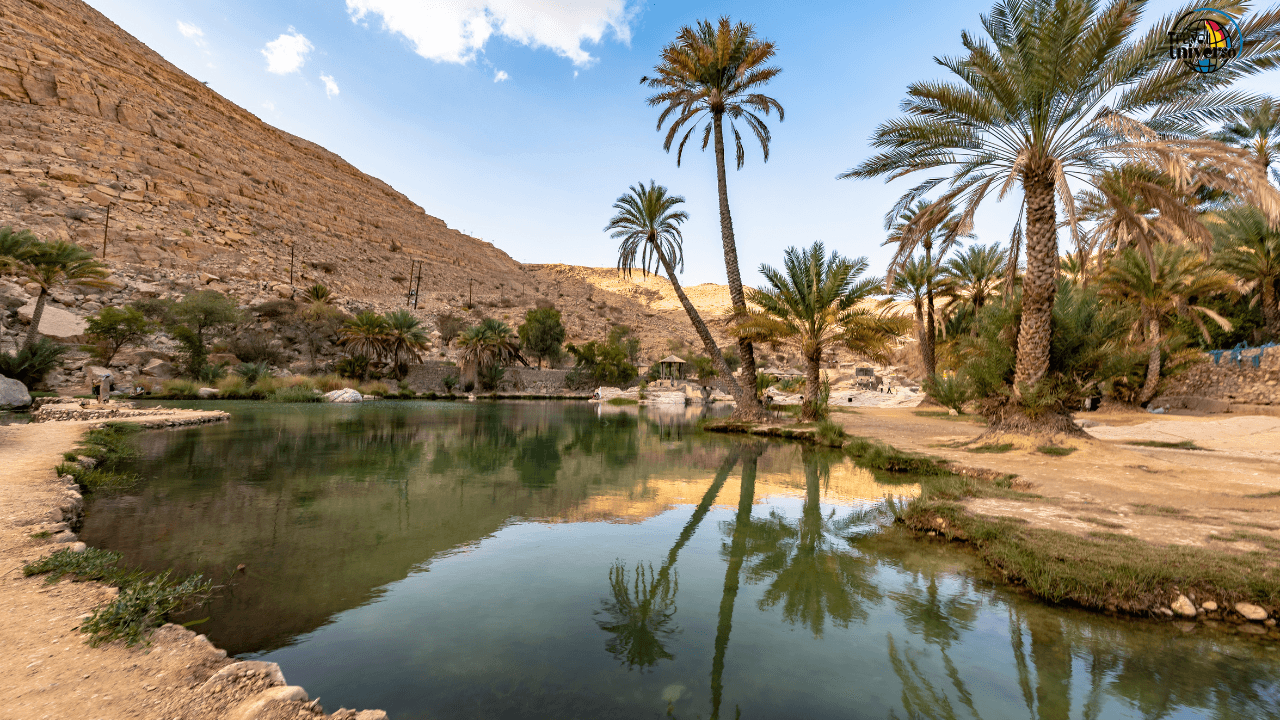
Wadis—the dramatic canyons carved by seasonal rivers—create their own microclimates. Wadi Shab, Wadi Bani Khalid, and Wadi Tiwi stay significantly cooler than surrounding areas because of water, shade, and canyon winds. Even in peak summer, these wadis offer 10-15°C temperature drops from the moment you enter their shaded passages.
Visit wadis during midday heat when they're most refreshing. The water temperature in these pools stays remarkably constant year-round at around 22-24°C. Locals know this and schedule wadi trips for the hottest part of the day—exactly the opposite of typical tourist logic. Early morning visits mean you'll be cold in the water and hot on the hike back.
The Night Desert: Oman's Best-Kept Temperature Secret
The Wahiba Sands desert seems like a place to avoid in summer, but Bedouin families have lived there for generations using a simple trick: they're nocturnal in hot months. Desert temperatures can drop 20-25°C from day to night. A desert that hits 50°C at 2pm might be a pleasant 25°C at 2am.
Book desert camps that embrace this rhythm. Arrive late afternoon, rest in air-conditioned tents during peak heat, emerge at sunset when temperatures become comfortable, have dinner under stars, then stay up late enjoying perfect desert conditions. Sleep during the hot morning hours, depart after a late breakfast. Some camps offer midnight camel rides and pre-dawn dune bashing when the sand is cool enough to walk on barefoot.
The Seasonal Migration Routes
Omanis don't just adjust daily—they migrate seasonally, and their movement patterns reveal the best places to be each month. December through March, everyone's at the coast enjoying perfect beach weather (22-28°C). April and May, families head to interior oases before it gets too hot. June through September, it's mountain villages and Salalah's khareef. October and November bring everyone back to the interior and wadis as temperatures moderate.
Plot your itinerary following these patterns. Don't fight against the climate—work with it like Omanis do. A Muscat beach hotel in summer is a waste when you could be in misty Salalah. Mountain resorts in winter mean you'll need serious cold-weather gear, while coastal areas offer perfect conditions.
The Gulf of Oman vs. Arabian Sea
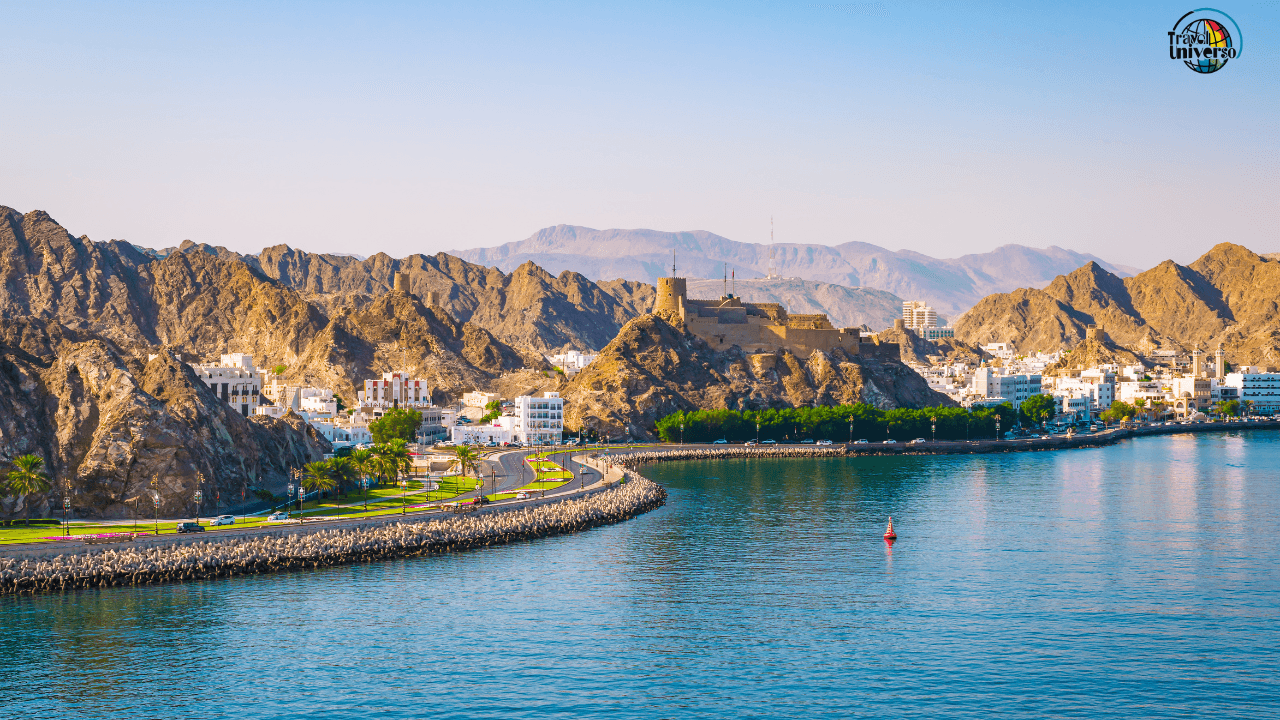
Even Oman's two coasts have different climates. The northern coast along the Gulf of Oman (Muscat, Musandam) runs hot in summer but perfect in winter. The southern coast along the Arabian Sea (Salalah, Mirbat) gets the khareef monsoon in summer but can be windy and rough in winter. Locals beach-hop between coasts depending on the season.
Winter beach vacations belong on the northern coast where you can swim comfortably from November through April. Summer beach time means heading south to Salalah where monsoon clouds keep temperatures down and create dramatic seascapes with massive waves and misty beaches.
The Date Palm Temperature Gauge
Omani date farmers have calibrated their harvest cycles to microclimates for centuries. Dates in coastal areas ripen in June. Mountain dates mature in August. Interior oasis dates peak in July. Following the date harvest across regions gives you a built-in temperature roadmap—dates ripen when conditions are optimal, which means comfortable visiting temperatures.
Visit date farms during harvest season in their respective regions. You'll get fresh dates at peak ripeness, see traditional harvesting methods, and experience each area during its most productive and pleasant weather window. The Rustaq area dates in July, Nizwa dates in late June, and Bahla dates in early August all correspond with their ideal climate moments.
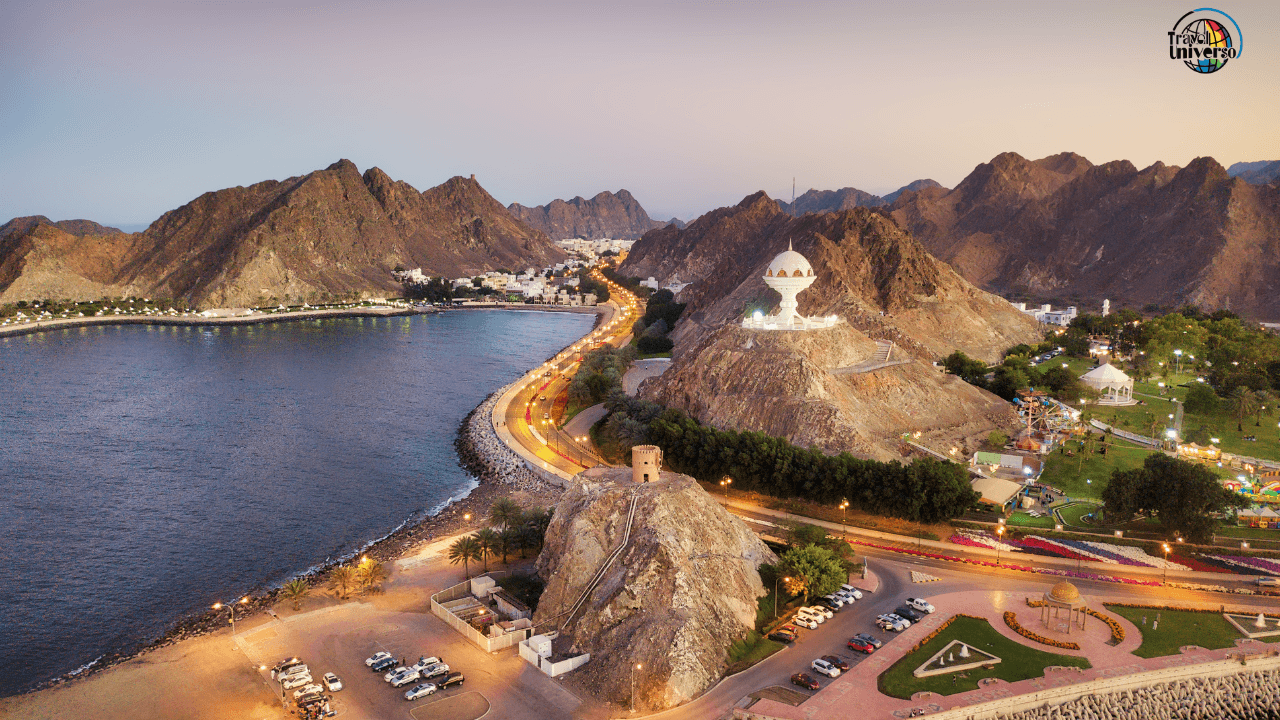
The Fog Chase: Dhofar's Morning Miracle
During khareef season, fog blankets Dhofar's mountains each morning, creating otherworldly landscapes. By noon, it burns off into clear skies. Locals wake early specifically for fog drives along mountain roads where visibility drops to meters and the temperature feels like autumn in England.
Set your alarm for 5:30am in Salalah during khareef season. Drive up to the mountain viewpoints while fog still clings to valleys. You'll pass local families doing the same thing, parked at scenic spots with thermoses of karak chai, wrapped in blankets, enjoying the cool mist. By 10am when tourists start arriving, the fog has lifted and temperatures have climbed.
The Indoor-Outdoor Balance
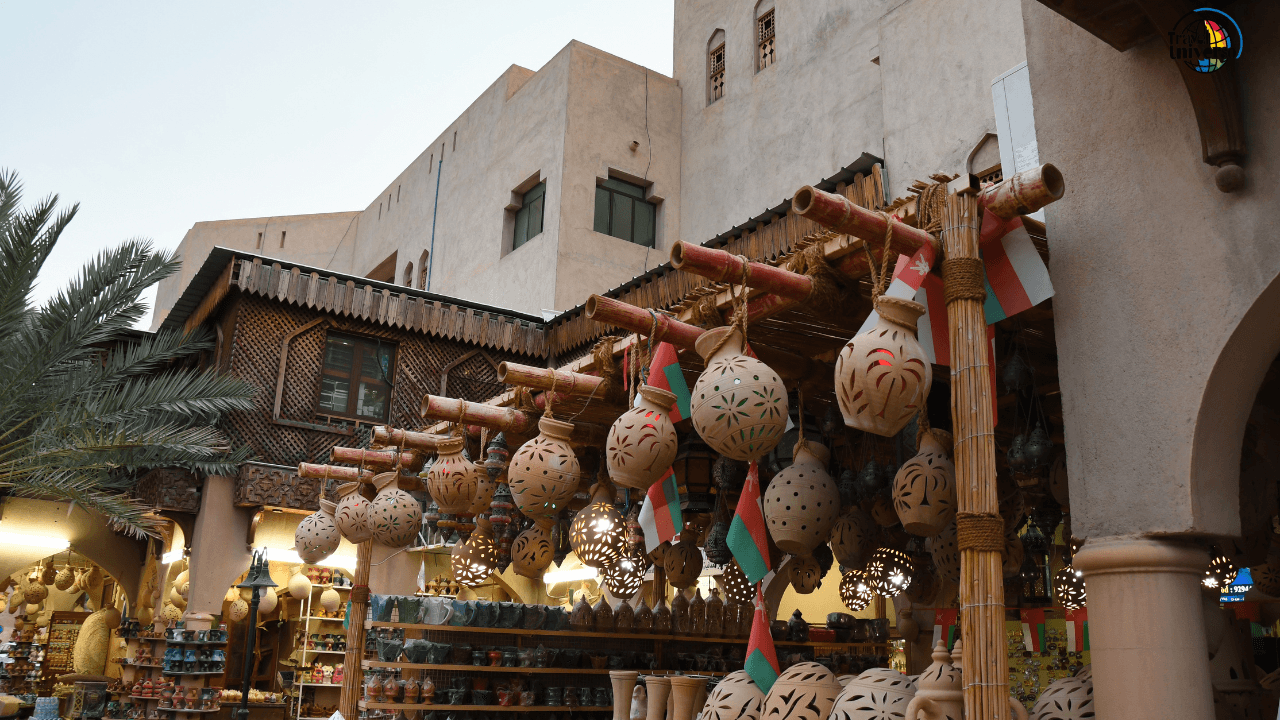
Modern Oman offers something unique: perfectly air-conditioned indoor spaces combined with outdoor areas designed for specific times of day. Souqs have covered sections for midday browsing and open courtyards for evening shopping. Restaurants have indoor dining for summer lunches and rooftop terraces for winter dinners.
Learn to read these spaces like locals do. Indoor malls and museums during 12pm-4pm heat. Outdoor wadis and beaches during shoulder hours. Mountain areas for day trips when you want sustained outdoor time. Desert camps for evening through morning. Coastal areas for sunrise and sunset. Never fight the temperature—use architecture and geography to work with it.
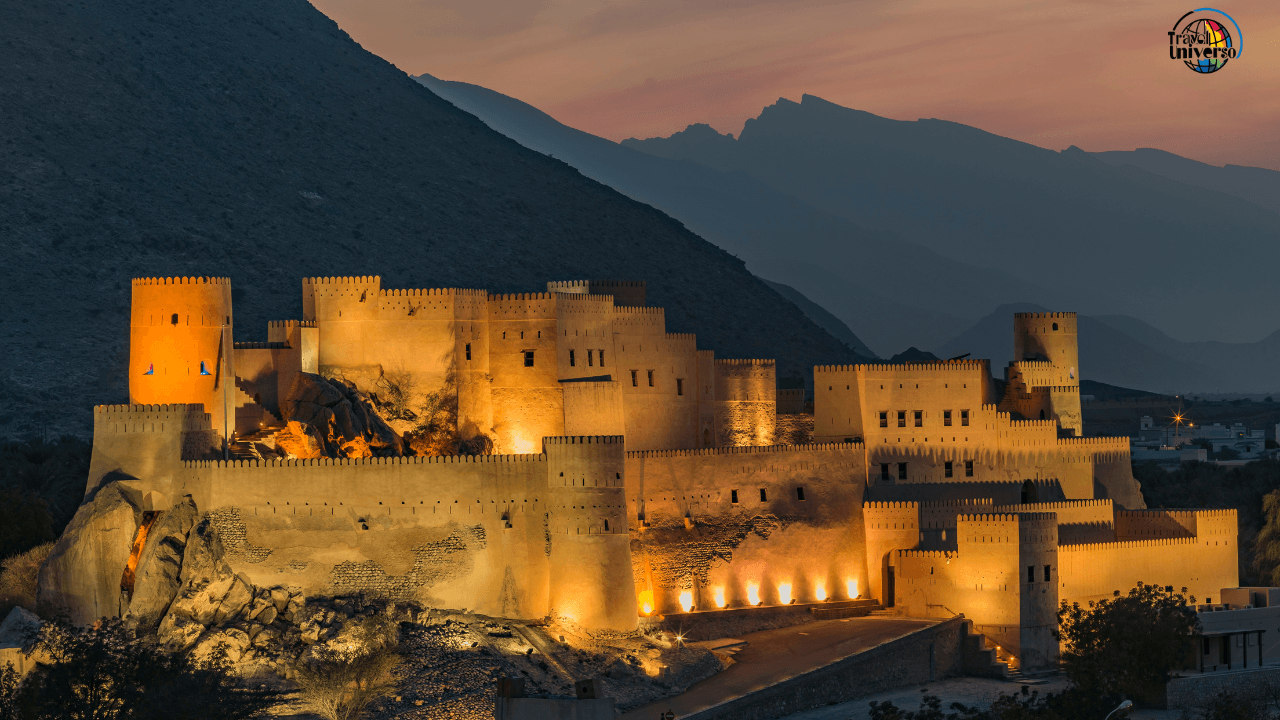
Temperature Timing for Specific Activities
Hiking: Mountain trails from November to March. Desert hiking from December to February. Coastal walks year-round at sunrise and sunset.
Swimming: Northern beaches November to April. Southern beaches June to September. Wadi pools year-round, but especially refreshing May to October.
City exploration: Muscat November to March. Nizwa and interior towns October to April and during early mornings May to September. Salalah June to September.
Camping: Desert camping December to February. Mountain camping March to May and September to November. Coastal camping November to March.
Photography: Golden hour light year-round is spectacular, but khareef fog in Salalah and winter green landscapes in northern mountains offer unique conditions.
The Temperature App Strategy
Download a weather app that shows multiple Omani cities simultaneously. Before each day's activities, check temperatures across regions. Seeing Muscat at 42°C, Jebel Akhdar at 24°C, and Salalah at 26°C makes the driving make sense. Locals do this constantly, making spontaneous decisions about where to spend weekends based on real-time temperature differences.
Create a loose itinerary but stay flexible based on conditions. If an unexpected cool front hits the coast, that's a perfect beach day. If mountain temperatures spike, retreat to wadis or head south. The beauty of Oman's compact size is that you can reach completely different climate zones within hours.
Packing for Temperature Zones
Don't pack for one Omani temperature—pack layers for all of them. Bring summer clothes for coastal areas, light sweaters for mountain evenings, and a proper jacket for winter mountain visits. Locals keep layered clothing in their cars because they know they'll pass through multiple climate zones in a single day.
A typical Omani family's car for a weekend trip contains: swimsuits for wadis, hiking shoes for mountains, sandals for evening walks, light jackets for mountain restaurants, and shawls for air-conditioned malls. They're not overpacking—they're prepared for temperature reality.
Following the Comfort Calendar
The ultimate Omani travel strategy is simple: be where Omanis are. When you see Muscat highways packed with cars heading to Jebel Akhdar on Friday morning in July, join them. When Salalah hotels fill up in August, there's a good reason. When beach resorts in Muscat advertise winter rates, it's because that's when swimming is actually pleasant.
This country has spent centuries perfecting the art of temperature navigation. Trust that wisdom. The moment you stop treating Oman as one climate and start seeing it as a collection of interconnected microclimates that locals move between constantly, your entire experience transforms. You'll stop fighting the heat and start dancing with it, exactly as Omanis have done for generations.
Get our travel tips, itineraries and guides by email
Sign up for my newsletter!
Name
Let us know what you think in the comments!
Newsletter
Subscribe to the newsletter and stay in the loop! By joining, you acknowledge that you'll receive our newsletter and can opt-out anytime hassle-free.
© 2026 Travel Universo. All rights reserved.