





La Romana Is a Slow Burn of Sun, Sugar, and Secrets
La Romana is not a city. It’s a mood, a rhythm, a place that hums softly while the Caribbean sun melts your patience and your expectations. It’s sugarcane fields swaying like emerald oceans, rum-soaked evenings, and streets that lead you somewhere—but you’re never quite sure where. Some people come for the beaches, some for the golf courses, some for the ritzy resorts. But the real La Romana? It’s hiding in the corners you don’t notice, in the laughter of kids running through the alleys, in the smell of frying yucca at midnight.
This city will not bend to your plans. It moves slowly. It moves deliberately. It has secrets, and it enjoys keeping them.
Start Where the Maps Stop
Everyone talks about Casa de Campo, Altos de Chavón, the resorts along the coast. Fine. But wander a little, and you’ll find streets where the rhythm of life is different. Locals leaning on walls, dominoes clattering in the heat, dogs napping in the sun, salsa music floating from open windows.
Drive—or walk—past the sugarcane mills and watch the fields stretch endlessly. La Romana was built on sugar. It still smells of sugar, earth, and sweat, and the ghosts of that history are everywhere. But don’t think it’s grim. It’s vibrant, alive, messy, and proud.
Take a side street toward El Criollo or Guaymate. The towns feel almost suspended in time. A woman sells fried empanadas from a cart. Kids kick around a soccer ball with no shoes. Music plays loudly from a speaker, but the song keeps changing mid-verse, as if someone pressed the shuffle button on life itself.
The Food That Steals Your Breath
Dominican food is bold. La Romana’s cuisine is unapologetic: hearty, fried, fragrant, and sometimes greasy in a way that makes your arteries sigh but your heart cheer. Mangú—mashed plantains, buttery and comforting—smells like home and tastes like rebellion. Sancocho, the national stew, is a Sunday miracle, layered with meats, roots, and herbs, rich enough to make you wonder why you ever eat anything else.
Street food is a religion here. Chimichurris—Dominican burgers—appear like miracles at random stands. They are messy, tangy, spicy, and sometimes so huge they require two hands and a small prayer. Salty, sweet, fried, grilled—the flavors clash in the best way. And if you sit long enough at a colmado (corner store), someone will insist you try the homemade mamajuana, a spiced rum concoction with roots and herbs that tastes like a secret the locals have been keeping for centuries.
The People Move Differently
La Romana has a rhythm you cannot learn from a watch. People talk loud, laugh louder, and dance somewhere between caution and abandon. They greet you with a “¡Qué lo qué!”—a phrase that is somehow both casual and profound. The city has an unspoken lesson: slow down, notice things, and don’t be afraid to make a little noise yourself.
Soccer games erupt spontaneously in empty lots. Dominoes tournaments in shaded plazas last for hours, fueled by cigars, laughter, and iced coffee. Grandmothers sell snacks like fortune-tellers: you never know what’s coming next, but it’s going to be life-changing.
Beaches, But Not the Ones You Expect
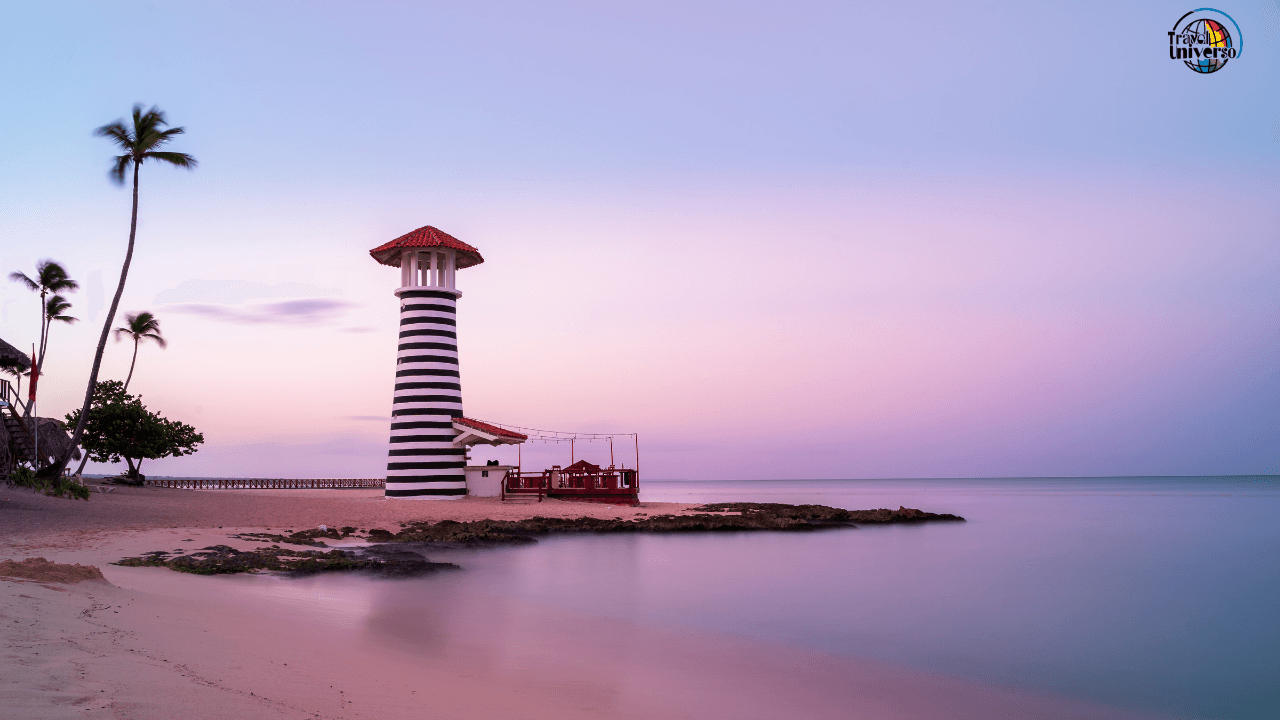
Yes, La Romana is near famous beaches. But the real beaches are tucked between mangroves and rocks, where the sand is golden, the water is impossibly clear, and tourists are rare. You can watch fishermen haul in their catches while pelicans swoop overhead. Shells litter the shore, some looking ordinary, some like someone dropped tiny treasures from a pirate ship.
If you’re brave, rent a small boat or take a local fisherman out. They’ll guide you past the crowded resorts to secret coves where the water is so blue it seems fictional, where the only soundtrack is waves, birds, and the occasional shouted curse at a stubborn fish.
Rum and Rhythm
Rum is serious business here. Not the touristy swill in plastic cups, but dark, local, fiery, and aged in barrels that smell like molasses dreams. Drinks are poured generously, conversations are louder, and dancing is unavoidable. Bachata is everywhere: in the plazas, in bars, in the streets. You will see people dancing spontaneously, moving as if gravity itself has joined in.
Music in La Romana is not background—it’s a force. Merengue and bachata are alive, bleeding into daily life. Even the sound of a car horn can become part of the symphony. If you stay still, you’ll miss it; if you move, you’ll become part of it.
The Unexpected Adventures
Adventure in La Romana is small and subtle. It might be a hidden waterfall in a sugarcane field, a mango tree heavy with fruit, or an alley where a street artist is painting a mural so big it feels like the city itself is expressing a secret. You’ll get lost—intentionally or not—and find yourself in a world that is somehow both ordinary and magical.
You may discover a market that sells everything from fresh fish to handmade cigars. You might stumble upon a festival where everyone knows the dance steps but refuses to explain them to outsiders. You’ll taste fruits you cannot name and watch the sunset from rooftops without a soul around for miles.
Imperfections Make It Real
La Romana isn’t perfect. Some roads are rough, power cuts happen, Wi-Fi disappears, buses run late—or not at all. But these imperfections are part of the city’s charm. They remind you that life doesn’t need to be polished to be vibrant. The streets hum, the people thrive, the music plays, and the city goes on.
There are inequalities, sure. Sugarcane fields remind you of the long history of labor. But there’s also resilience, joy, and creativity in abundance. You’ll witness improvisation, generosity, and life lived on its own terms.
Why You’ll Keep Coming Back
La Romana sneaks into your senses. The smell of the ocean at dawn. The tang of citrus in the plaza. The taste of fried plantains still warm from the oil. The sound of a guitar in the distance. You’ll feel its rhythm long after you leave.
You cannot fully understand La Romana. You can try. You can love it, be confused by it, stumble through it, sweat in it, laugh in it, dance in it, eat in it, curse at it, and slowly begin to understand its strange, stubborn heart.
It will teach you that life doesn’t always make sense. That some pleasures are simple, some joys are messy, and some beauty is completely accidental. That music can be medicine. That rum can be history. That sugarcane fields can hold secrets older than you.
La Romana is slow, loud, bright, messy, surprising, sweet, and occasionally sharp. It is not a postcard. It is a feeling. It is a lesson. And once you’ve been there, you’ll find yourself looking for it in other places—and realizing you won’t find it anywhere else.
Because La Romana is its own kind of magic.
Let us know what you think in the comments!
Newsletter
Subscribe to the newsletter and stay in the loop! By joining, you acknowledge that you'll receive our newsletter and can opt-out anytime hassle-free.
© 2026 Travel Universo. All rights reserved.