





Italy's Daily Masterpiece: Where Every Meal is Theater and Every Evening is a Parade
How to experience la dolce vita beyond the tourist trail—from aperitivo rituals to hill town secrets
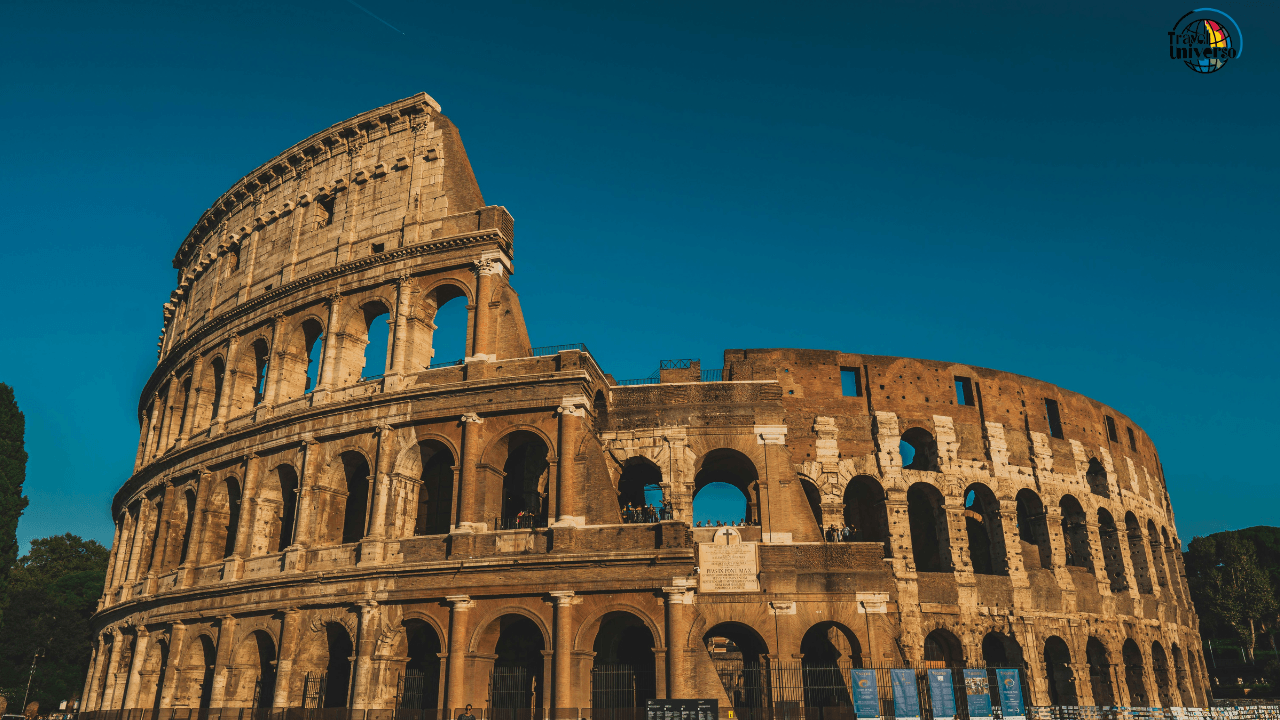
Italy is the world's most beautiful museum, and everyone knows it. The Colosseum, the canals of Venice, Florence's David, the Amalfi Coast—these landmarks dominate every itinerary, and for good reason. They're genuinely spectacular, worth every photograph and every crowd you'll navigate to see them.
But Italy reveals its deepest pleasures in the rhythms between the monuments: in the passeggiata (evening stroll) that transforms every town into a social parade, in the two-hour lunch that's non-negotiable even on weekdays, in the specific way afternoon light hits a piazza in a hill town you've never heard of, in the grandmother making pasta by hand in a kitchen unchanged for fifty years.
After dozens of trips across the country—from Alpine valleys to Sicilian fishing villages—I've learned that the best Italy isn't necessarily the famous Italy. It's the country that emerges when you slow down enough to notice how Italians actually live: where they eat (not where tourists eat), how they structure their days around pleasure and community, why a town of 3,000 people maintains an opera house, and what it means to live in a place where every stone has witnessed two thousand years of history.
This is Italy beyond the bucket list—still beautiful, still delicious, but deeper, slower, and infinitely more rewarding.
Master the Art of the Passeggiata
Every Italian town, from Rome to the smallest village, has a daily ritual that most tourists witness but don't understand: the passeggiata. Around 6-7 PM, seemingly everyone emerges onto the main street or piazza to walk, see, and be seen.
This isn't exercise—it's theater, socializing, community maintenance, and people-watching elevated to cultural practice. Families walk together, teenagers cluster and flirt, elderly couples stroll arm-in-arm, friends stop to chat, children run around while parents socialize. Everyone's slightly dressed up—Italians don't do casual for public appearances.
Join the passeggiata in any town. In Rome, head to Via del Corso or the Spanish Steps. In Florence, Piazza della Signoria fills with locals and tourists mixing. But the practice is most charming in smaller towns: Lucca's oval piazza, Orvieto's Corso Cavour, any hill town in Umbria or Le Marche.
Walk slowly—the pace is crucial. Stop often. Buy gelato (this is the socially acceptable passeggiata prop). Notice how Italians greet each other—the kisses (two, sometimes three depending on region), the animated conversations, the elaborate hand gestures that are linguistic as much as emphatic.
The passeggiata reveals Italian priorities: community matters more than privacy, appearance matters (always), being seen is part of social maintenance, and daily life should include beauty and leisure, not just productivity. It's the opposite of American grab-and-go culture—this is deliberate, unhurried, social time built into every single day.
Time your passeggiata right: too early and the streets are empty, too late and you've missed it. Around 6:30-7:30 PM in most places is perfect. Then, as naturally as it began, the passeggiata ends—everyone disappears for dinner, and the streets empty again.
Eat Lunch Like Your Afternoon Depends on It
Italian meals aren't just sustenance—they're social rituals with specific structures and proper timing. Lunch (pranzo) is the main meal, traditionally eaten between 1-3 PM, followed by a digestive rest period that the modern economy has shortened but not eliminated.
Find a trattoria frequented by locals—look for handwritten menus, simple décor, and groups of workers or families eating together. Avoid anywhere with photos on the menu or aggressive hosts recruiting from the sidewalk.
Order the pranzo di lavoro (work lunch) or menu del giorno (menu of the day) if offered—a multi-course meal at a fixed price. You'll typically get: antipasto (starter), primo (pasta or risotto), secondo (meat or fish), contorno (vegetable side), plus bread, water, and wine. It's enormous. Pace yourself.
The structure matters: pasta is a separate course, never a side dish. You don't order pasta and then a steak—you order pasta, finish it, then the secondo arrives. Bread isn't for butter (rarely served)—it's for scarpetta, mopping up sauce from your plate, which is encouraged.
Observe the wine culture: house wine (vino della casa) is usually excellent and affordable. Order a quartino (quarter liter) or mezzo (half liter). Wine at lunch is normal, even for people returning to work. The quantity is moderate—Italians drink wine for pleasure and digestion, not intoxication.
After lunch, notice how the town changes: shops close for riposo (rest period) from roughly 1-4 PM. Streets empty. Life pauses. This isn't siesta in the Spanish sense (Italians don't necessarily nap), but it's protected time—for digestion, for rest, for being home.
This rhythm shapes everything. Italians eat dinner late (8-9 PM is normal, later in summer) because lunch was substantial and late. They structure business around meals—important discussions happen over food, deals are made at tables, relationships are built through shared eating.
For tourists, this means: eat your main meal at lunch when restaurants offer better value, accept that many things close mid-afternoon (plan accordingly), and don't rush meals—if you want fast food, you're in the wrong country.
Discover the Hill Towns Nobody Mentions
Everyone visits Tuscany's famous hill towns: San Gimignano, Siena, Montepulciano. They're beautiful but also crowded and tourist-dependent. For the real hill town experience, venture to places guidebooks barely mention.
In Le Marche (the region east of Tuscany), explore Urbino—a Renaissance jewel with Raphael's birthplace and a spectacular palace, but a fraction of Tuscany's crowds. Or Ascoli Piceno, with its stunning travertine piazza and local specialty (olive all'ascolana—stuffed fried olives).
In Umbria, skip Assisi's crowds for Spello—a smaller, quieter hill town with flower-lined streets and Roman ruins. Or Bevagna, where time genuinely seems stuck in the medieval period, with artisans still practicing ancient crafts.
In Abruzzo, the hill towns are even more authentic: Santo Stefano di Sessanio, a restored medieval village where you can stay in stone houses; Scanno, wrapped around a mountain with elderly women still wearing traditional dress.
These towns offer everything famous destinations do—spectacular views, ancient architecture, excellent food, centuries of history—but with actual local life still visible. You'll see old men playing cards in bars, women shopping at small alimentari (grocery shops), artisans working in studios, life continuing as it has for generations.
Visit on market days (usually one morning per week). The weekly market is central to Italian small-town life: vendors selling produce, cheese, clothing, household goods, locals shopping and socializing. It's sensory overload in the best way—colors, smells, voices, animated haggling.
Stay overnight if possible. Day-trippers leave by 5 PM, and towns transform: locals reclaim the piazzas, restaurants serve residents not tourists, the evening passeggiata begins, and you experience the town as it actually exists, not as a museum visited during business hours.
The drive between hill towns is part of the experience: winding roads through vineyards and olive groves, sudden views of valleys spreading below, cypress-lined driveways leading to farmhouses, landscapes that inspired Renaissance painters and still look remarkably unchanged.
Learn the Aperitivo Culture (And Save Money)
Aperitivo—the pre-dinner drink and snack ritual—is one of Italy's best-kept secrets for budget travelers. Between roughly 6-9 PM, many bars offer aperitivo: buy one drink (usually €8-12), and access a buffet of snacks that ranges from chips and olives to elaborate spreads of pizza, pasta, salads, and cheeses.
Milan invented modern aperitivo culture, but it exists everywhere now. The key is finding places where locals go, not tourist traps with sad buffets and expensive drinks.
Look for signs saying "aperi-cena" (aperitif-dinner)—these places specifically offer substantial buffets meant to substitute for dinner. Order a Spritz (Aperol or Campari with prosecco and soda—Venice's gift to drinking culture), Negroni (gin, Campari, sweet vermouth—Florence's contribution), or just prosecco.
The unwritten rule: one drink = one plate from the buffet. Don't make multiple trips per drink (it's tacky), but also don't be shy—the buffet is included, use it. If you want more, order another drink.
Aperitivo serves multiple purposes: it's social (groups meet for aperitivo before deciding dinner plans), it's economical (you can eat well for the price of one drink), and it's civilized (the Italian concept that drinking should involve food, conversation, and moderation, not just alcohol consumption).
Great aperitivo cities: Milan (where it's most elaborate), Turin (invented vermouth, takes aperitivo seriously), Bologna (aperitivo with substantial food), Florence (stylish aperitivo bars in Oltrarno neighborhood).
Time it right: arrive around 7 PM when buffets are fresh and full. Too early and selection is limited; too late and everything's picked over. Stay for the atmosphere—aperitivo is about lingering, not eating and running.
Take the Slow Train Through the Countryside
Italy's high-speed trains (Frecciarossa, Italo) zip between major cities efficiently. But the regional trains—the slow, local trains stopping at every small town—offer something better: the actual landscape and glimpses of Italian life beyond tourism.
Take the regional train from Florence to Siena (instead of the bus). It winds through Chianti wine country, stopping at villages: Poggibonsi, Castellina, tiny stations where only a few people board. The journey takes longer than the direct bus but costs less and shows you Tuscany's bones—the gentle hills, the vineyards, the farmhouses, the olive groves.
Or try the Cinque Terre regional train, which connects the five villages. Yes, it's touristy, but the train itself—tunneling through mountains, emerging to spectacular coastal views, stopping at each village—is part of the experience. Locals use it for everything: school, work, shopping, socializing.
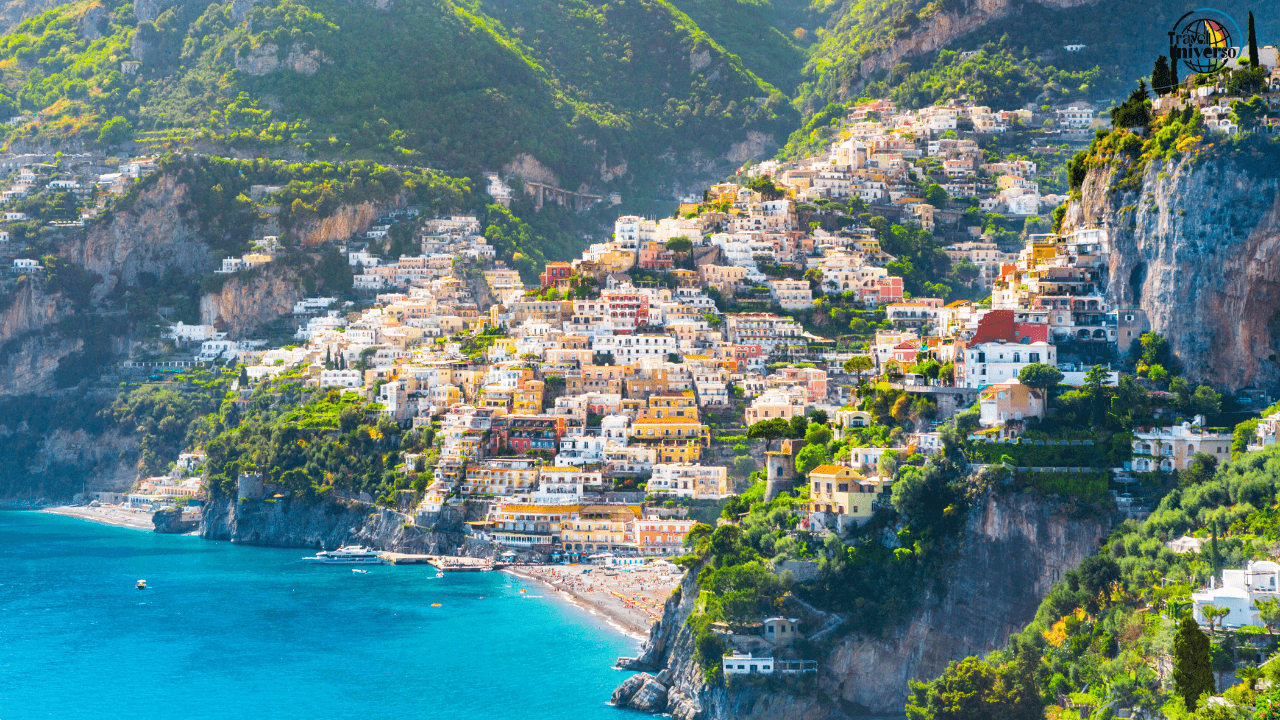
The Amalfi Coast bus (not a train, but same principle) from Sorrento to Salerno is a white-knuckle adventure on hairpin turns with views that justify every nervous moment. Locals barely notice; tourists grip armrests and simultaneously can't stop photographing.
Regional trains reveal Italian commuter life: students traveling to school, workers commuting, elderly people going to markets, locals living normal lives while tourists gawk at scenery. The trains are slower, often older, sometimes crowded, always authentic.
They're also remarkably affordable—regional tickets cost a fraction of high-speed fares. You can't reserve seats (first-come seating), and trains sometimes lack air conditioning, but as cultural immersion, they're invaluable.
Buy a snack from the station bar before boarding: a panino (sandwich), focaccia, or cornetto (croissant). Italians eat on trains without shame—it's a mobile picnic. Watch the countryside slide past, listen to conversations in Italian, feel the rhythm of the train matching the rhythm of the landscape.
Understand the North-South Divide (Without Judgment)
Italy only unified in 1861—it's a young nation made from formerly independent states, kingdoms, and republics. Regional identities remain incredibly strong, and the north-south divide is real, complex, and shapes everything.
The broad strokes: Northern Italy (Lombardy, Veneto, Piedmont, Emilia-Romagna) is wealthier, more industrial, more efficient, more "European." Southern Italy (Campania, Calabria, Sicily, Puglia) is poorer, more agricultural, more laid-back, more traditionally Italian in tourist imagination.
This isn't value judgment—both have incredible offerings. But understanding the differences helps you adjust expectations and appreciate each region properly.
Northern Italian cities feel more businesslike: people walk faster, service is quicker, punctuality matters more. Milan and Turin could be mistaken for Central European cities—efficient, wealthy, design-conscious, slightly reserved.
Southern Italy moves slower, values relationships over efficiency, and warmth over precision. Naples is chaotic but intoxicating—pizza's birthplace, incredible archaeology, operatic street life. Sicily is its own world—Greek ruins, Arab influences, dramatic landscapes, food that's distinct from mainland Italy.
The food changes dramatically: northern Italy uses butter, risotto, polenta; southern Italy uses olive oil, pasta, tomatoes. Northern wine is Barolo and Prosecco; southern wine is Primitivo and Nero d'Avola. Even pizza differs—Neapolitan style (soft, wet, foldable) versus Roman style (thin, crispy, rectangular).
Visit both if possible. Don't fall into the trap of ranking them—they're different experiences. The north offers art cities, Alps, lakes, refined cuisine, efficiency. The south offers ancient ruins, dramatic coastlines, explosive flavors, human warmth, and prices that are noticeably lower.
Stereotypes exist (northern Italians call southerners lazy; southern Italians call northerners cold), but like all stereotypes, they're oversimplifications. The reality is richer: Italy contains multitudes, each region proud of its distinct identity, traditions, and contributions.
The Italian Lesson
Italy teaches something essential that modern life often forgets: that pleasure isn't frivolous—it's fundamental. That meals should be long, social, and important. That beauty matters, not as luxury but as daily necessity. That efficiency isn't the highest value—sometimes the winding road is better than the highway, the slow train better than the fast one, the two-hour lunch better than the sandwich at your desk.
The passeggiata says: being seen, being social, being part of community is worth doing every single day. The aperitivo says: drinking should involve food, friends, and conversation, not just alcohol. The riposo says: rest isn't laziness—it's wisdom. The hill towns say: humans have lived beautifully in these places for millennia, and that continuity matters.
Italy isn't perfect—bureaucracy is Byzantine, infrastructure crumbles, political dysfunction is chronic, economic challenges are real. But Italians have mastered something crucial: the art of living well despite imperfection, of extracting beauty and pleasure from daily life, of prioritizing relationships and experiences over productivity and efficiency.
You learn this not in the Colosseum or the Uffizi—though see those too, they're magnificent—but in the trattoria where workers linger over lunch, in the small-town passeggiata where everyone participates, in the aperitivo bar where one drink becomes three hours of conversation, in the hill town piazza at sunset when golden light makes even ordinary stones look sacred.
The Italy beyond the bucket list isn't better than famous Italy—it's complementary. Do see the monuments, they've earned their reputation. But also: take the slow train, join the passeggiata, eat lunch like it matters, discover the hill town nobody's heard of, linger over aperitivo, and let yourself move at Italian pace.
Because Italy's greatest gift isn't its art or architecture or food—though those are extraordinary. It's the reminder that life is meant to be savored, that beauty should be daily not exceptional, and that the best things require time, attention, and the willingness to slow down enough to notice what you're experiencing.
Buon viaggio. Take your time. You're in Italy.
Let us know what you think in the comments!
Newsletter
Subscribe to the newsletter and stay in the loop! By joining, you acknowledge that you'll receive our newsletter and can opt-out anytime hassle-free.
© 2026 Travel Universo. All rights reserved.