





Indonesia Is 17,000 Islands of Chaos
Indonesia defies easy definition. Spanning seventeen thousand islands across three time zones, it brings together three hundred ethnic groups and seven hundred languages under one national motto: "Unity in Diversity." It's a remarkable achievement—transforming this vast archipelago stretching from Southeast Asia into the Pacific into the world's fourth most populous nation.
To truly know Indonesia requires more than a single visit. While Bali draws most international travelers, it represents just one small facet of the country's character—much like how Miami offers only a glimpse of the United States. Beyond the familiar destinations lies an Indonesia of extraordinary diversity: landscapes ranging from volcanic peaks to pristine rainforests, cultures shaped by centuries of trade and tradition, and communities that have maintained their distinct identities while contributing to a shared national story. It's a country that continually surprises those willing to venture deeper.
Start Where No One Starts
Everyone flies into Bali or Jakarta. Fine. But your first move should be to leave immediately for somewhere else. Take a domestic flight to Makassar in Sulawesi, or Medan in Sumatra, or Yogyakarta in Java. These aren't consolation prizes—they're portals to the actual country.
Yogyakarta is Java's cultural heart, a city where ancient palaces sit next to street art, where gamelan music drifts from workshops at dawn, where the sultan still rules his palace and people take this seriously. Rent a motorbike—yes, it's chaotic, yes, the traffic rules are suggestions—and ride out to Borobudur at 4:30 AM. Climb the temple in darkness and watch the sun rise through the mist over the volcanic peaks. The tourists will arrive by bus at 8 AM. You'll be gone by then, having seen something holy.
In Sumatra, skip the usual Bukit Lawang orangutan trek (fine, but crowded) and instead head to the Mentawai Islands. These aren't the luxury surf camps you're thinking of. Go to the villages. The Mentawai people have one of the most distinct cultures in Indonesia—tattoos that cover entire bodies, lives still intimately connected to the forest, shamans who communicate with spirits. Tourism is changing things, but slowly. If you're respectful, curious, and patient, you might be invited into something real.
The Food That Doesn't Travel
Indonesian food has a global reputation problem. The versions that made it overseas—bland pad thai knockoffs, overly sweet satay—bear no resemblance to what Indonesians actually eat. The real cuisine is aggressive: burn-your-mouth spicy, funky with fermentation, layered with twenty ingredients you can't identify.
In Padang, West Sumatra, the restaurants work like nothing else. They bring you twenty small plates of different dishes—curries, grilled fish, vegetables in coconut milk, beef rendang so dark it's almost black, organs cooked in ways that sound alarming but taste revelatory. You only pay for what you eat. Everything is room temperature. This shouldn't work but it absolutely does. The rendang here is the original, cooked for hours until the coconut milk breaks and caramelizes, nothing like the versions exported worldwide.
In Java, hunt for warung—tiny family operations that usually specialize in one thing. A warung that does soto ayam (chicken soup with turmeric and lemongrass) will do just that, perfected over generations. Another does nasi gudeg (young jackfruit stewed for hours in coconut milk and palm sugar) that tastes like the color brown feels—earthy, sweet, comforting, complex.
In Sulawesi, they'll serve you fish you watched them catch that morning, grilled over coconut husk coals with nothing but salt and lime. In Bali, yes, babi guling (roast pig) is fantastic, but leave Ubud and find the versions made for Balinese people, not tourists—crispier skin, more spice, served with blood sausage and lawar (vegetables mixed with minced meat and fresh blood, which sounds extreme but tastes like the earth itself).
Street food is a religion here. Bakso (meatball soup) carts announce themselves with a distinctive clanging sound. Martabak (stuffed pancake) comes sweet or savory and is best eaten at midnight. Jamu—herbal drinks sold by women carrying baskets—tastes medicinal because it is, turmeric and ginger and tamarind and things you can't pronounce, but you'll feel unreasonably healthy afterward.
The Volcanoes Will Break Your Heart
Indonesia sits on the Ring of Fire. There are a hundred and thirty active volcanoes. This geological violence created the landscape—the dramatic peaks, the black sand beaches, the hot springs, the absurdly fertile soil that grows anything. It also means the country lives with constant, beautiful danger.
Mount Bromo in East Java is the one everyone photographs—the smoking crater at sunrise with the surrounding calderas and temple at its base. Go, it's worth it. But then climb Mount Ijen afterward. The night hike to see the blue flames of burning sulfur is otherworldly—electric blue fire that looks like special effects. Miners work here, carrying baskets of sulfur out of the crater for a few dollars a day. The absurdity and injustice of it will sit uncomfortably next to the beauty, which is maybe appropriate. Indonesia doesn't let you forget that paradise has a price.
In Flores, Mount Kelimutu has three crater lakes, each a different color—turquoise, dark green, black—depending on mineral content and volcanic activity. They change colors over time. It's one of the strangest landscapes on earth, like someone forgot to make it look real.
The volcanoes are everywhere. They shape everything—the weather, the agriculture, the mythology, the anxiety. Indonesians live with them the way coastal people live with the ocean: respect, awe, occasional terror, and the acceptance that some forces are bigger than you.
Island Hopping the Hard Way
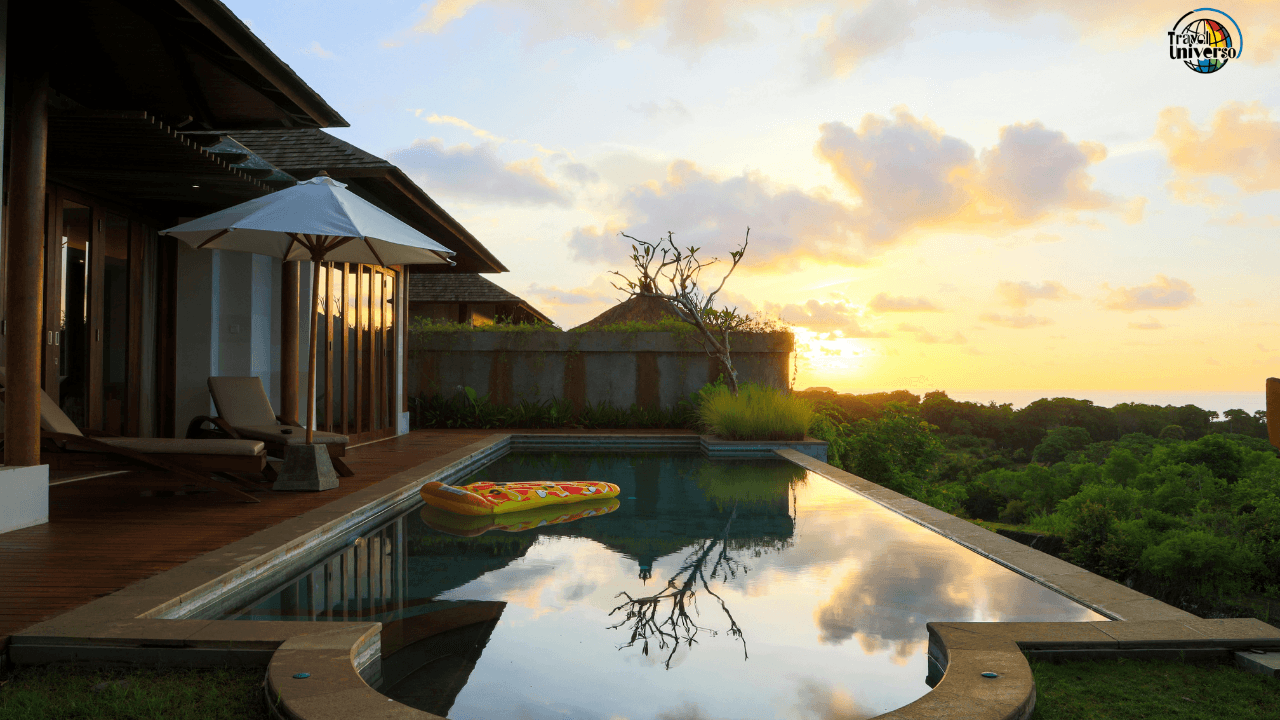
The Gili Islands are fine if you want beach clubs and mushroom shakes. But Indonesia has thousands of other islands, most with no tourists at all. Getting to them requires patience, bad ferries, unclear schedules, and a willingness to figure things out as you go.
Take the ferry from Lombok to Sumbawa, then onward to Flores. It's not a direct route—you'll island-hop through places you've never heard of, staying in basic guesthouses, eating whatever the local market has that day. In Flores, the villages still practice ancient traditions. The Ngada people build villages with pairs of traditional houses and megalithic shrines. In Komodo, yes, there are dragons (terrifying, magnificent), but there are also pink sand beaches and some of the best diving in the world.
Raja Ampat in West Papua is the holy grail—fifteen hundred islands, reefs that marine biologists call the most biodiverse on earth, Indigenous Papuan culture distinct from the rest of Indonesia. It's expensive and difficult to reach, which keeps crowds manageable. The water is so clear it looks fake. You'll see more fish species in one dive than most people see in a lifetime.
Or go to the Banda Islands, once the only place on earth where nutmeg grew, which made them the most valuable real estate on the planet in the 17th century. Empires fought wars over these tiny specks. Now they're quiet, ignored, achingly beautiful. Stone forts crumble into tropical forest. The descendants of Dutch colonizers, Indigenous Bandanese, and mixed populations live in a place the world forgot. Snorkel over Dutch shipwrecks and coral gardens while clove trees grow on volcanic slopes.
Food & Culture
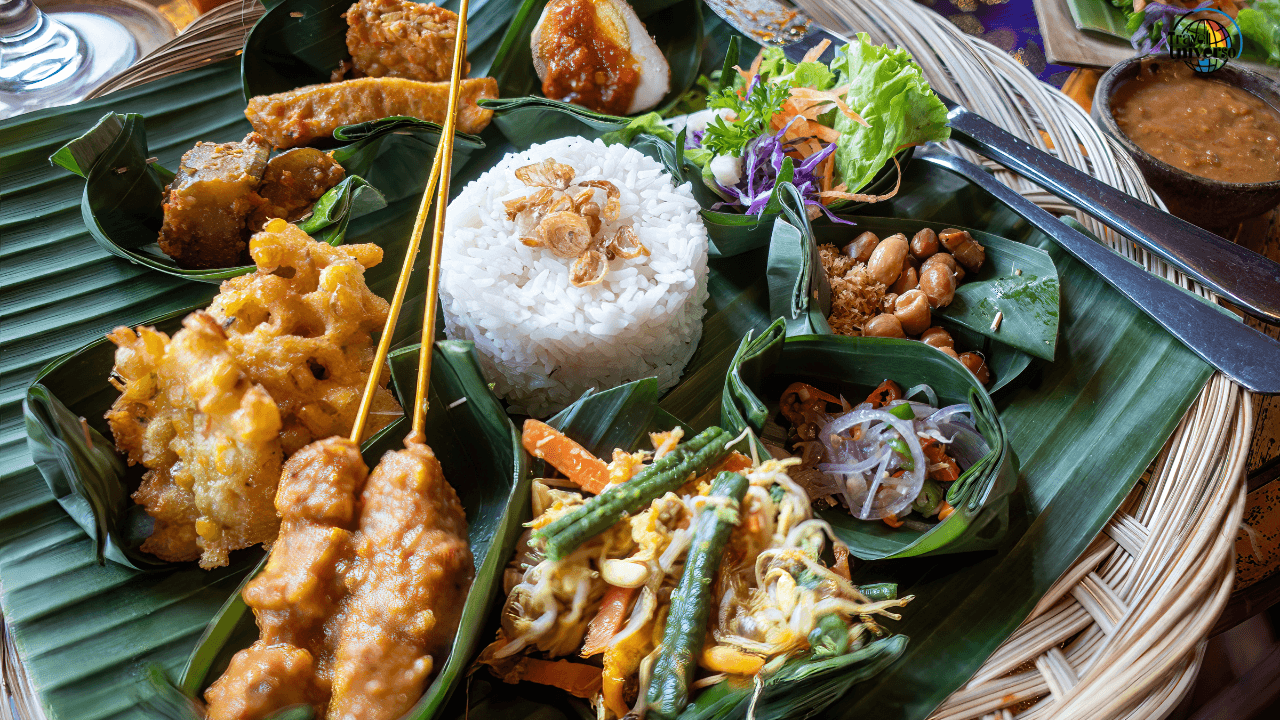
One of Indonesia’s highlights is its food. Expect bold flavors and diverse regional dishes. Try nasi goreng (fried rice), satay with peanut sauce, gado‑gado (vegetable salad with peanut dressing), and fresh seafood from coastal towns. Bali’s food scene mixes traditional warungs (local eateries) with international cafes.
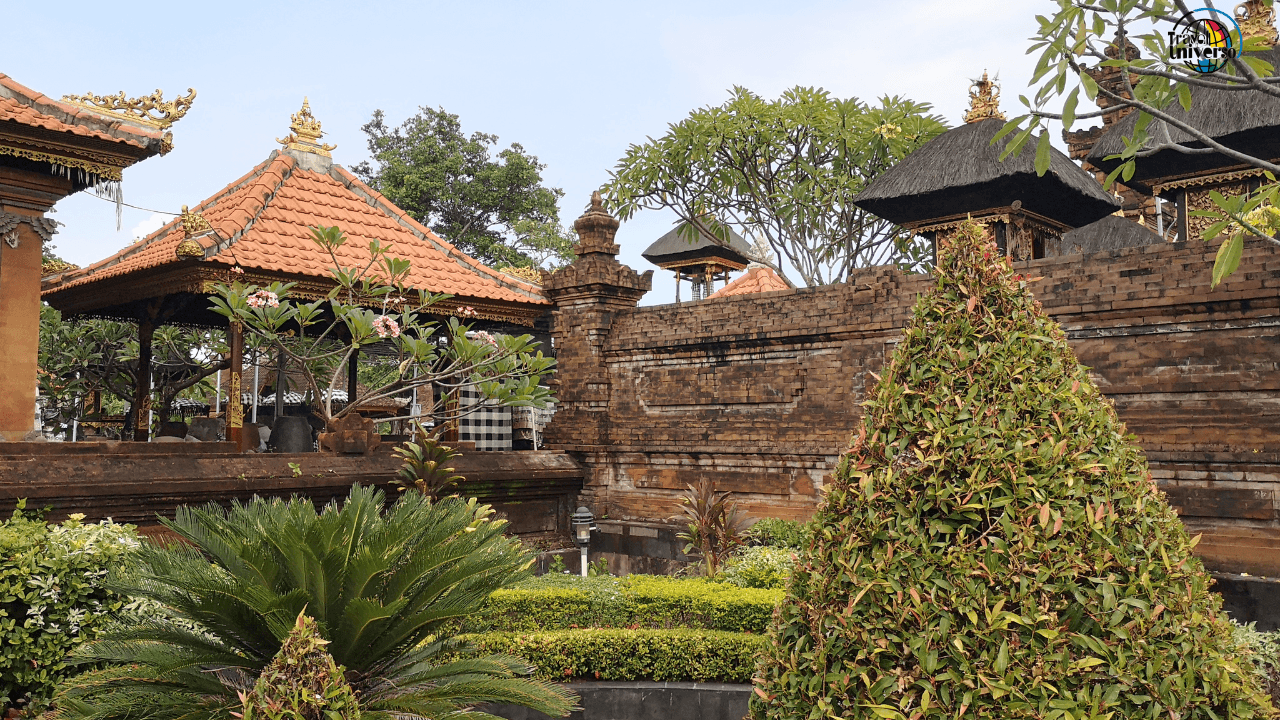
Indonesia’s culture is incredibly diverse, influenced by centuries of local traditions, Hindu, Buddhist, and Islamic heritage. Respectful attire at temples and local etiquette go a long way in making your travel experience rich and rewarding.
The Uncomfortable Truths
Indonesia is magical and frustrating and sometimes heartbreaking. Poverty exists alongside resorts. Deforestation is destroying orangutan habitat. Palm oil plantations have replaced rainforest. Corruption is endemic. Infrastructure is often terrible. Things that should be simple—buying a bus ticket, finding reliable information—can take hours.
The country is also predominantly Muslim but practices a version of Islam that's syncretic, blending with older Hindu, Buddhist, and animist traditions. Women mostly don't wear headscarves in Bali. In Aceh, Sharia law is enforced. In Java, mosques stand next to Hindu temples, and people see no contradiction. It's complicated, like everything here.
Tourist scams exist but are less aggressive than in some countries. The biggest trick is the two-tier pricing—foreigner prices can be double or triple local rates for everything from temple admission to food. Some see this as unfair, others as wealth redistribution. You can argue about it or accept it as the cost of visiting a country where many people earn a few dollars a day.
Practical Survival
Some things you need to know:
Learn "tidak apa apa" (no problem/it's okay/whatever happens, happens). This is the national philosophy. Buses break down, boats are delayed, plans fall apart. Indonesians shrug and adapt. You should too.
Get used to squat toilets and carrying toilet paper. Soap at sinks is optimistic. Hand sanitizer is your friend.
The wet season (roughly November to March) is real. Rain doesn't drizzle—it attacks. Roads flood, ferries cancel, plans dissolve. It's also beautiful and less crowded. Choose your preference.
English is limited outside tourist areas. Download translation apps. Learn basic Indonesian—it's not hard, there are no verb tenses, and locals appreciate any effort.
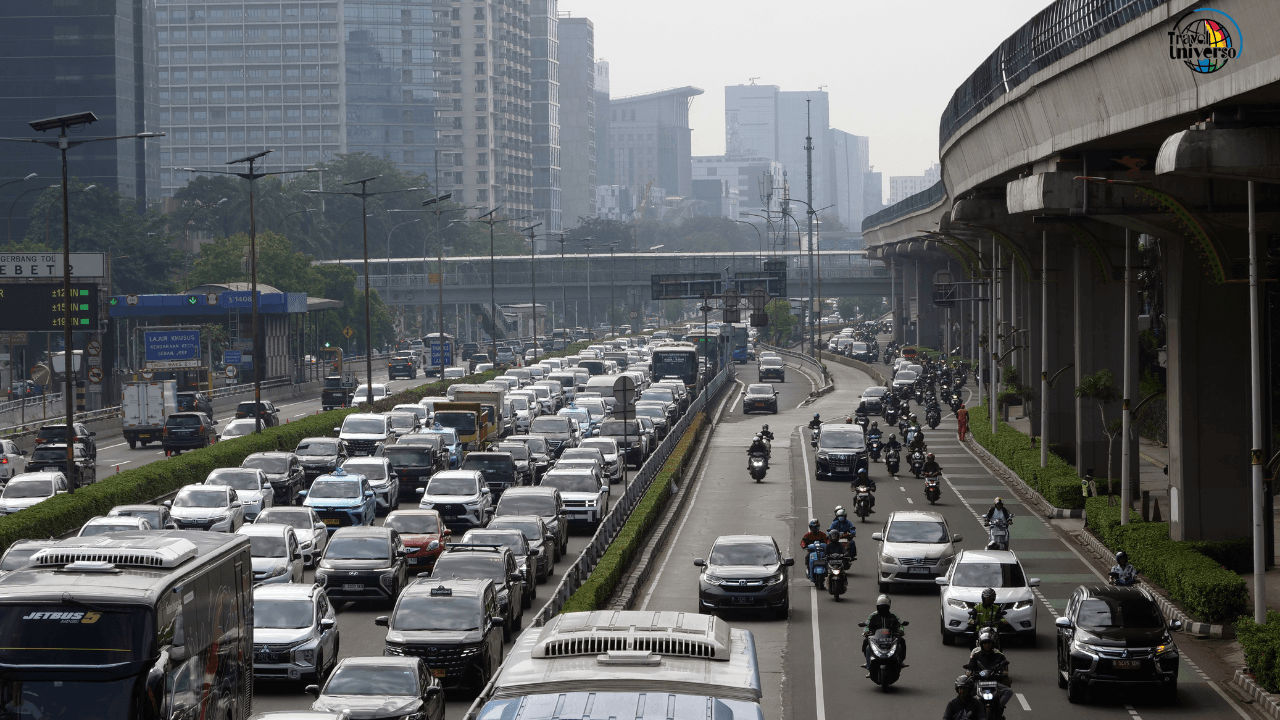
Motorbikes are the default transport. Roads can be terrible, traffic is anarchic, helmets are technically required but often just for show. Insurance is essential. Accept that you'll probably have a minor accident. Everyone does.
Bargaining is expected except in established restaurants and convenience stores. Start at half the quoted price. It's not personal—it's just how things work.
Internet is decent in cities, spotty on small islands, nonexistent in remote areas.
Embrace the disconnection. That's half the point.
Why You'll Come Back
Indonesia will test you. You'll get food poisoning (probably). You'll miss buses, overpay for things, struggle with language barriers, sweat through your clothes, wake up with mystery bug bites. You'll wonder why you didn't just go to Thailand where everything is easier.
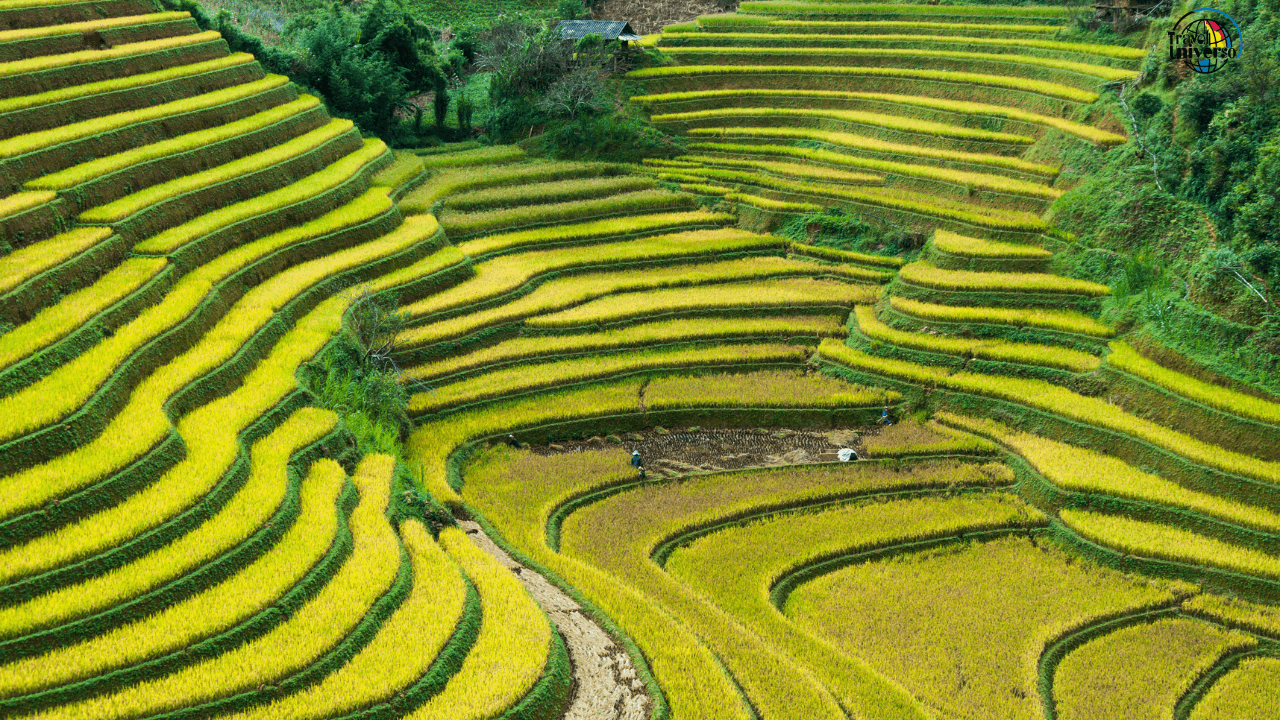
And then you'll watch the sun set over rice terraces carved into mountainsides, turning the water in each terrace gold, and a farmer will walk home with his buffalo and wave at you. Or you'll eat breakfast at a warung while three generations of a family laugh together, and the grandmother will insist on giving you extra sambal and refuse payment. Or you'll dive into water so clear and full of life that you forget to breathe. Or you'll climb to a temple at dawn and have it completely to yourself, mist rising from the jungle, monkeys chattering, the stone still warm from yesterday's sun.
Indonesia gets into your blood. Not because it's easy or comfortable or Instagram-perfect. Because it's real in a way that's increasingly rare. Because seventeen thousand islands mean seventeen thousand different ways of being human, and you can spend a lifetime exploring them and still only scratch the surface.
The country doesn't try to sell itself to you. It doesn't care if you understand it or approve of it. It just is—sprawling, chaotic, beautiful, messy, ancient, and modern all at once. Your job is to show up with humility, curiosity, and a strong stomach. Indonesia will do the rest.
Book the ticket. Pick an island—any island. Learn to say "terima kasih" (thank you). Accept that your plans will change. Let the chaos happen. You won't regret it. Or maybe you will, in the moment, when you're on a broken bus in the rain. But later, back home, you'll find yourself scrolling through flights, wondering if you can get back to those islands, that food, that impossible country that's really a thousand countries pretending to be one. That's how Indonesia works.
Get our travel tips, itineraries and guides by email
Sign up for my newsletter!
Name
Let us know what you think in the comments!
Newsletter
Subscribe to the newsletter and stay in the loop! By joining, you acknowledge that you'll receive our newsletter and can opt-out anytime hassle-free.
© 2026 Travel Universo. All rights reserved.