





England's Hidden Layers: A Practical Guide to the Country Beyond the Postcards
England is one of the most visited countries in the world, yet most travelers experience only a fraction of what it offers. Beyond the iconic images of red phone boxes, double-decker buses, and Big Ben lies a complex nation of distinct regions, unwritten social codes, and cultural nuances that can perplex even the most seasoned visitor. This guide helps you navigate the real England—from understanding the crucial differences between regions to mastering the art of queuing, from decoding what the British actually mean when they speak to discovering the countryside villages and coastal towns that locals cherish.
Whether you're planning your first visit or your fifth, understanding these hidden layers will transform your English experience from a surface-level tour into a genuine cultural immersion.
Understanding England's Regional Identity
England is not a monolithic culture. The regional differences are profound, and locals take their geographic identity seriously. Understanding these distinctions helps you appreciate why a person from Yorkshire might bristle at being called "basically the same" as someone from Lancashire.
The North-South Divide
This isn't just geography—it's identity, economics, and culture. Northerners often view Southerners (particularly Londoners) as soft, expensive, and out of touch. Southerners sometimes perceive Northerners as blunt and provincial. Both stereotypes are reductive, but the economic and cultural differences are real.
The North tends to be more affordable, more direct in communication, and prouder of its working-class heritage. Cities like Manchester, Liverpool, and Newcastle have distinct personalities and strong local pride. The South, particularly the Southeast, has higher costs of living, more formal social codes, and closer proximity to continental European influence.
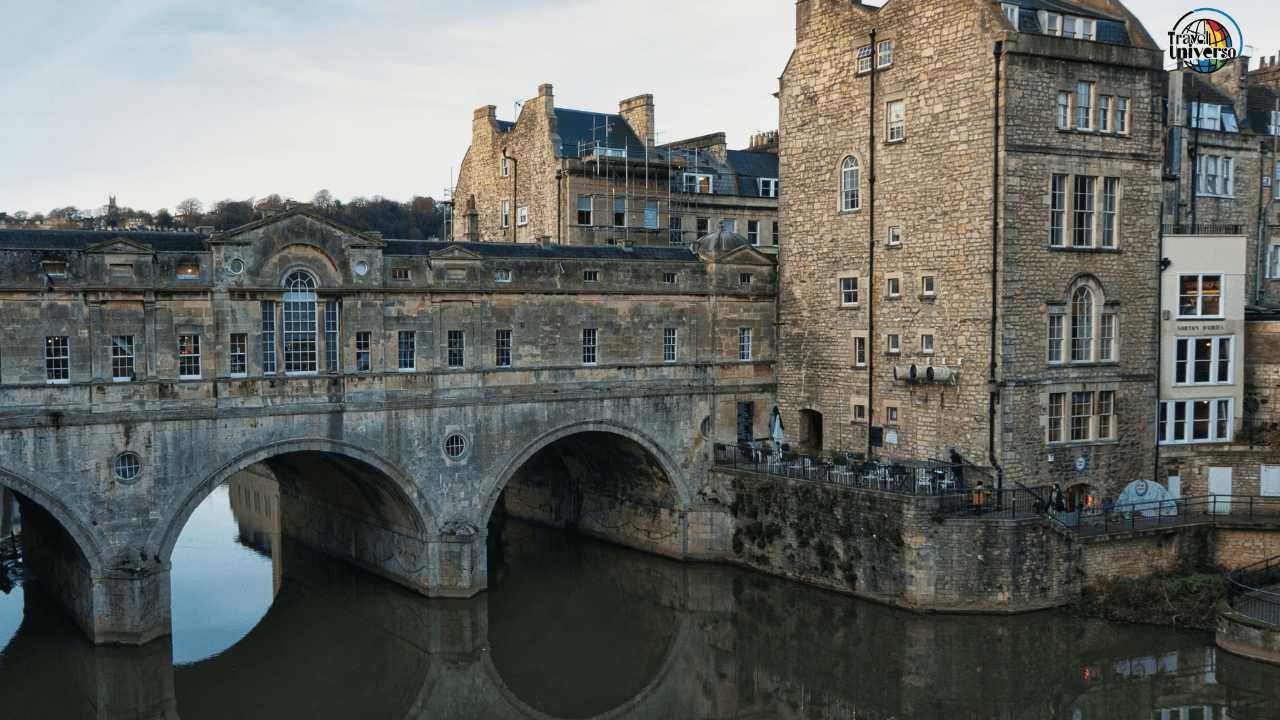
The Midlands: England's Forgotten Middle
The Midlands often gets overlooked in the North-South conversation, which irritates Midlanders considerably. This region includes cities like Birmingham (England's second-largest city), Nottingham, and Leicester. The Midlands has its own industrial heritage, distinct accents, and cultural contributions that deserve recognition beyond being "somewhere between London and Manchester."
Cornwall and the Southwest
Cornwall, at England's southwestern tip, has its own language (Cornish, currently being revived), flag, and strong regional identity. Many Cornish people don't consider themselves English at all. The Southwest also includes Devon, Somerset, and Dorset—areas known for dramatic coastlines, cream teas, and a slower pace of life that contrasts sharply with London's intensity.
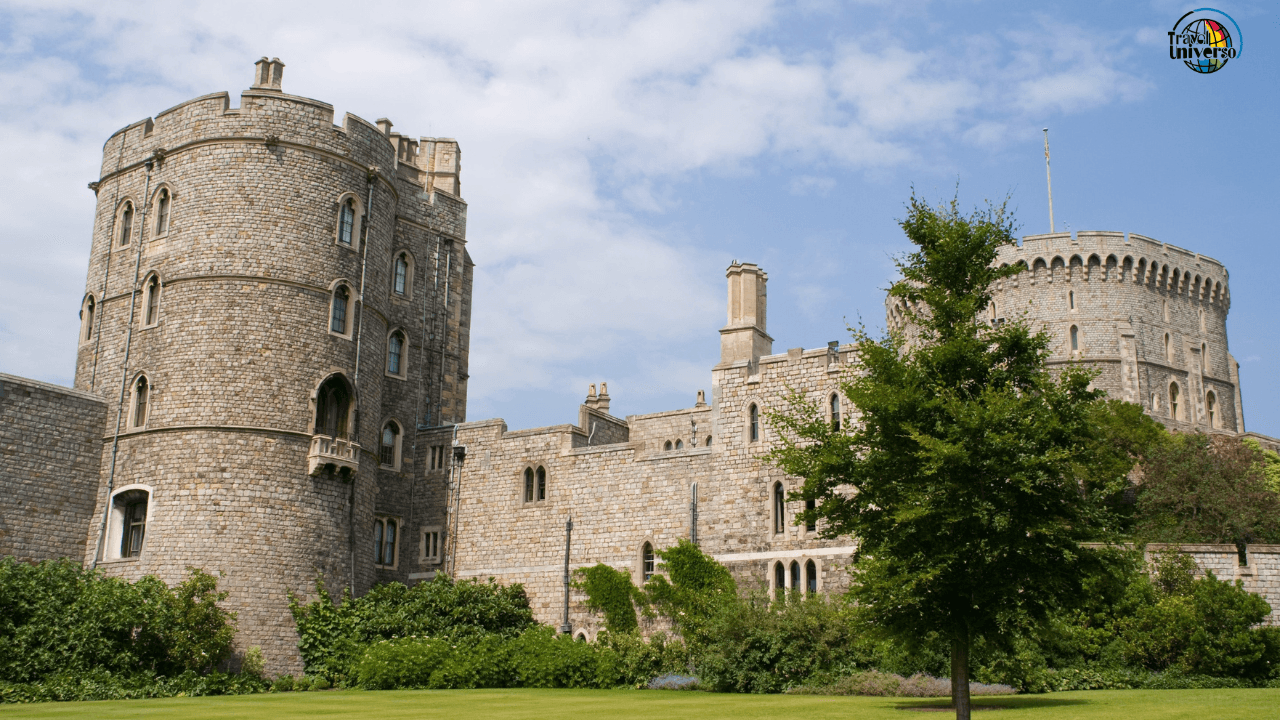
East Anglia's Quiet Distinctiveness
Norfolk, Suffolk, and Cambridgeshire form East Anglia, a flat, agricultural region with market towns, medieval churches, and a culture that feels distinctly separate from the rest of England. It's less visited by tourists but offers authentic English countryside experiences.
Mastering British Communication: What They Say vs. What They Mean
British communication, particularly English communication, operates on multiple levels of indirectness. Understanding this code is essential for meaningful interactions.
The Understatement Principle
When an English person says something is "quite good," they might mean it's excellent. "Not bad" often means very good. "A bit disappointing" might mean terrible. This understatement is cultural armor—showing excessive enthusiasm or criticism is considered gauche.
The Apology Reflex
English people apologize constantly, even when nothing is their fault. If you bump into someone, both parties will likely apologize. This isn't about admitting fault—it's a social lubricant that acknowledges the interaction and diffuses potential tension.
"I'm Not Being Funny, But..."
This phrase, along with "With all due respect" and "I don't mean to be rude," is a warning that something critical is about to be said. The preamble is meant to soften the blow while still delivering the message.
The Compliment Deflection
If you compliment an English person, they'll likely deflect or downplay it. Accepting praise directly feels immodest. The correct response to "Nice jacket" is something like "What, this old thing?" rather than "Thank you, I love it too."
The Sacred Art of Queuing
Queue culture in England is not an exaggeration or stereotype—it's genuine social infrastructure. Understanding queuing etiquette is essential.
The Rules
Lines form naturally and must be respected absolutely. Cutting in line (queue jumping) is one of the few things that will generate genuine public confrontation. Even if there's no visible queue, people remember the order they arrived and will enforce it.
At bus stops, the queue might not be linear—people cluster—but everyone knows who arrived when. At pubs, there's no formal queue at the bar, but bartenders track the order of arrival and will serve accordingly. Trying to skip your turn will get you ignored.
The Polite Confrontation
If someone cuts in line, they'll face passive-aggressive tutting, pointed stares, and possibly a very polite but firm "Excuse me, there's a queue." This is serious business.
The Pub: England's Living Room
Pubs are central to English social life, but they have unwritten rules that tourists often miss.
Ordering Etiquette
You order at the bar—servers don't come to your table for drinks (though many pubs now serve food to tables). When you approach the bar, make eye contact with the bartender to signal you're ready to order. Don't wave money or shout.
You pay when you order, not at the end. Tipping at pubs isn't mandatory, but saying "and one for yourself" (offering the bartender a drink, which they usually convert to cash) is a traditional way to tip for good service.
The Round System
If you're drinking with a group, buying rounds is customary. One person buys drinks for everyone, then the next person buys the next round, and so on. Leaving before your turn to buy is deeply frowned upon. If you can't drink alcohol, you can still participate in rounds with soft drinks.
Pub Behavior
Pubs are social spaces where striking up conversations with strangers is acceptable, unlike on public transport. However, respect people's space—if they're clearly in a private conversation, don't intrude.
Traditional pubs will have regulars who sit in "their" spot. As a visitor, you won't know which seats these are, but if someone politely suggests you might want to sit elsewhere, take the hint graciously.
Transportation: Getting Around England
England's transportation network is extensive but can be confusing for visitors.
The Rail System
Train travel is the most efficient way to cover distances, but it's expensive. Book in advance for significant savings—prices can be three times higher for same-day tickets. Off-peak travel is cheaper than peak times (typically weekday mornings and late afternoons).
England has multiple train companies operating different routes, which complicates the system. Use websites like Trainline or National Rail for comprehensive journey planning.
Split ticketing (buying multiple tickets for segments of the same journey) can sometimes be cheaper than a single through ticket, though this seems counterintuitive. Apps can help identify these savings.
Buses and Coaches
Local buses vary significantly by region. London has excellent bus networks; smaller towns may have limited service. National Express and Megabus run long-distance coach services that are much cheaper than trains but slower.
Driving
If you're driving, remember that England drives on the left. Roundabouts are common and operate clockwise—yield to traffic from the right. Roads are narrower than in many countries, particularly in rural areas and historic town centers.
Parking in cities is expensive and complicated. Many town centers have Park & Ride schemes where you park on the outskirts and take a bus into the center.
Speed cameras are everywhere. Stick to posted limits.
London's Transport
London's Underground (the Tube) is the easiest way to navigate the city. Get an Oyster card or use contactless payment—both are cheaper than paper tickets. The Tube has different zones; traveling through multiple zones costs more.
Black cabs are iconic and knowledgeable (drivers must pass "The Knowledge," memorizing 25,000 streets), but expensive. Uber and other ride-sharing services are widely available and cheaper.
Food Culture: Beyond Fish and Chips
English food has a reputation problem that's increasingly undeserved. The culinary scene has transformed dramatically in recent decades.
Traditional Dishes Worth Trying
A proper Sunday roast (roasted meat, roast potatoes, Yorkshire pudding, vegetables, and gravy) is a cultural institution. Pubs across the country serve Sunday roasts, with varying quality. Look for pubs with good reviews for their roasts.
Full English breakfast (eggs, bacon, sausage, beans, tomato, mushrooms, toast, and black pudding) is hearty and genuinely popular with locals, not just a tourist attraction. "Greasy spoon" cafes serve authentic versions.
Fish and chips, when done well, is genuinely delicious. Look for chip shops (chippies) with lines of locals. Eat with salt and vinegar, and try mushy peas.
Cornish pasties, pork pies, scotch eggs, and ploughman's lunch are pub staples. Regional specialties include Yorkshire pudding, Lancashire hotpot, and Staffordshire oatcakes.
The Cream Tea Debate
Cream tea (scones with clotted cream and jam, plus tea) is a delightful tradition, but how you assemble it matters. In Devon, you put cream first, then jam. In Cornwall, jam first, then cream. This is a genuine point of regional pride, not just tourist theater.
Modern English Cuisine
England, particularly London, has world-class restaurants representing cuisines from around the globe. Indian, Chinese, and Middle Eastern food are particularly strong, reflecting England's multicultural population.
The gastropub movement elevated pub food significantly. Many pubs now serve restaurant-quality meals in casual settings.
Tea Culture
Tea is genuinely important in English culture. "Builder's tea" (strong black tea with milk) is the default. When offered tea, accept it—it's social glue.
Asking for tea without specifying usually gets you black tea with milk. If you want it differently (green tea, herbal tea, no milk, etc.), specify.
Final Thoughts
England rewards visitors who look beyond the obvious attractions and engage with its complexities. The country's reserve shouldn't be mistaken for unfriendliness—once that initial formality is navigated, English people are often warm and helpful. Regional pride is genuine and worth respecting. The weather is genuinely unpredictable, and rain doesn't mean the day is ruined.
Most importantly, England is a country of layers—historical, cultural, and social. Each region has distinct character, each city its own personality, and each interaction its unspoken codes. This guide provides the framework for understanding those layers, but the real learning happens through experience. Engage with locals, venture beyond London, try the regional specialties, embrace the queuing culture, and accept that you won't always understand everything. That's part of the experience.
Whether you're drawn to historical sites, natural landscapes, cultural experiences, or culinary adventures, England offers depth and variety that reward multiple visits. The country that invented the concept of "muddling through" has a lot to teach visitors about resilience, humor, and the art of making the best of things—particularly the weather.
Get our travel tips, itineraries and guides by email
Sign up for my newsletter!
Name
Let us know what you think in the comments!
Newsletter
Subscribe to the newsletter and stay in the loop! By joining, you acknowledge that you'll receive our newsletter and can opt-out anytime hassle-free.
© 2026 Travel Universo. All rights reserved.