





Egypt Isn't What You Think It Is
Most travelers arrive in Egypt with the same mental postcard: golden pyramids against blue sky, the Sphinx's enigmatic smile, a sunset felucca ride down the Nile. But Egypt rewards those who look past the ancient stones to find the living, breathing country underneath.
The Sound of Egypt
Start your Egyptian education not with your eyes, but with your ears. Cairo wakes to the layered call to prayer echoing from a thousand mosques, each slightly out of sync, creating an unintentional symphony.
By midmorning, the city hums with car horns that speak their own language—short beeps of greeting, long honks of frustration, rhythmic patterns that somehow communicate entire conversations.
In the evening, find a baladi café in any neighborhood. Not the tourist ahwas with their English menus, but the ones where men play dominoes with satisfying clacks, where the shisha pipes bubble like thoughtful conversation, where the tea arrives in glasses so hot you must hold them by the rim. This is where Egypt happens.
Eat Like You're Someone's Guest
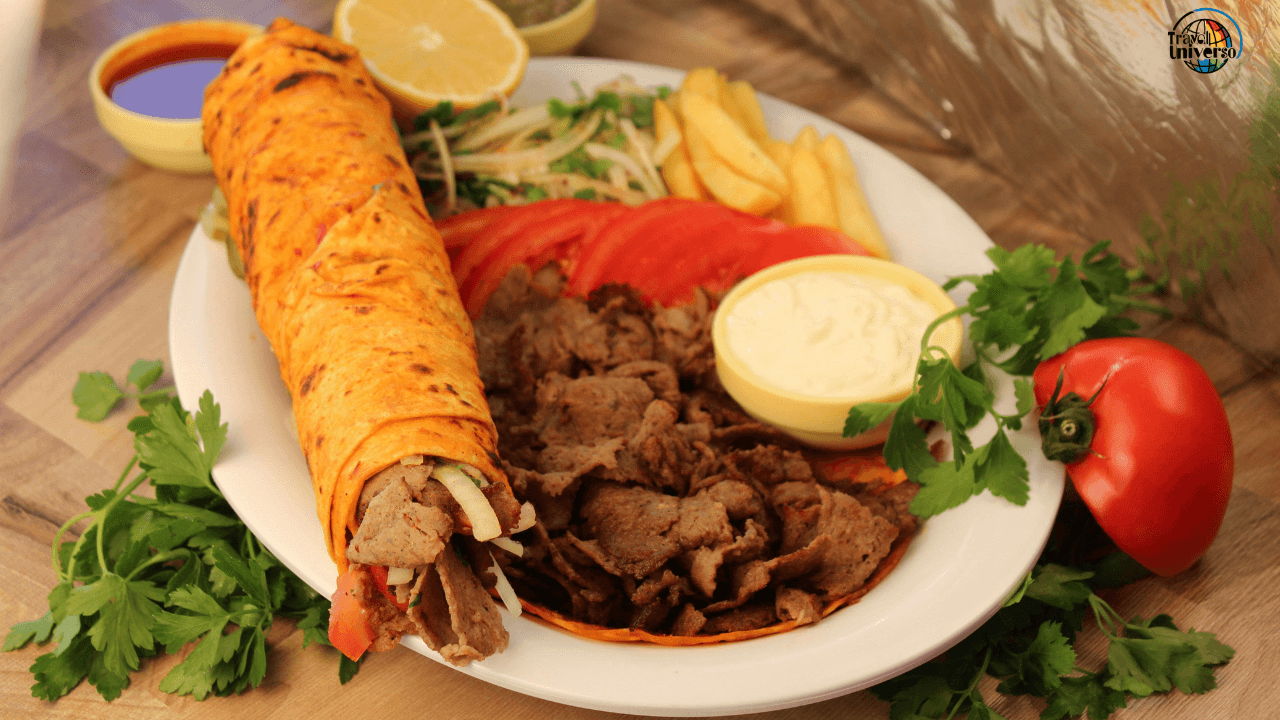
Forget the hotel restaurants. Your mission is to eat in places where you're the only foreigner, where the menu is scrawled on a wall, where the cook might come out to make sure you understand what you're ordering.
Try koshari from a street cart at midnight—that glorious mess of pasta, lentils, rice, chickpeas, and crispy onions that somehow represents Egypt's genius for making magnificence from humble ingredients. Watch them assemble it with the practiced efficiency of a surgeon.
In Alexandria, eat fish you select yourself from ice at a no-name restaurant by the Eastern Harbor. In Aswan, find the Nubian houses painted in sunset colors and accept any dinner invitation offered—Nubian hospitality is legendary, and their stuffed pigeon is a revelation.
Learn to say "tamam" (okay/good) and "kamaan shwaya" (a little bit more) when the cook invariably tries to give you extra portions. This is Egypt's love language.
The In-Between Places
Everyone goes to Luxor. But how many take the local train there, sitting in second class with farmers returning from market, students heading to university, families with impossibly large bundles of possessions? The six-hour journey from Cairo costs a few dollars and provides a documentary film of Egyptian life: fields of sugar cane, mud-brick villages, the sudden shocking green of the Nile Valley against the desert.
In Luxor itself, skip the Valley of the Kings for a day and instead rent a bicycle. Pedal through the banana plantations on the West Bank's back roads. Get lost in the villages where children will shout "Welcome to Egypt!" and elderly women will smile from doorways. The temples will still be there tomorrow, but this golden afternoon, threading through scenes of rural life unchanged for millennia, exists only now.

Cairo's Secret Spots
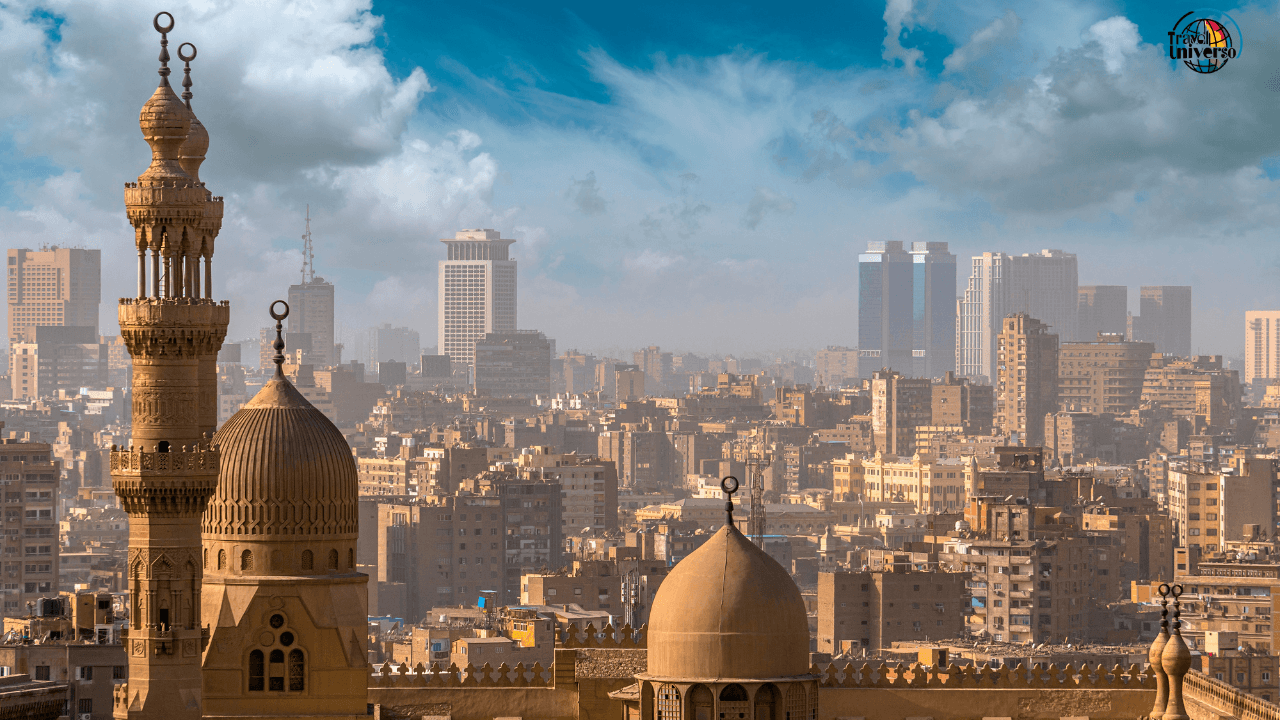
Islamic Cairo isn't a single monument—it's a living medieval city. Wander past Khan el-Khalili into the residential quarters where streets narrow to shoulder-width. Follow the smell of fresh bread to tiny bakeries where loaves emerge on wooden paddles from ovens older than most countries. Climb to the rooftop of any café and watch the sun set over the "city of a thousand minarets" while drinking sahlab, that thick, sweet, orchid-root drink that tastes like childhood comfort.
The City of the Dead is not just a cemetery but a neighborhood where families have built homes among the tombs, hanging laundry between mausoleums, raising children in the company of their ancestors. It's strange and beautiful and very much alive. Approach with respect, and you'll understand something essential about how Egyptians view death not as an ending but as a continuing presence.
The Desert Conversations
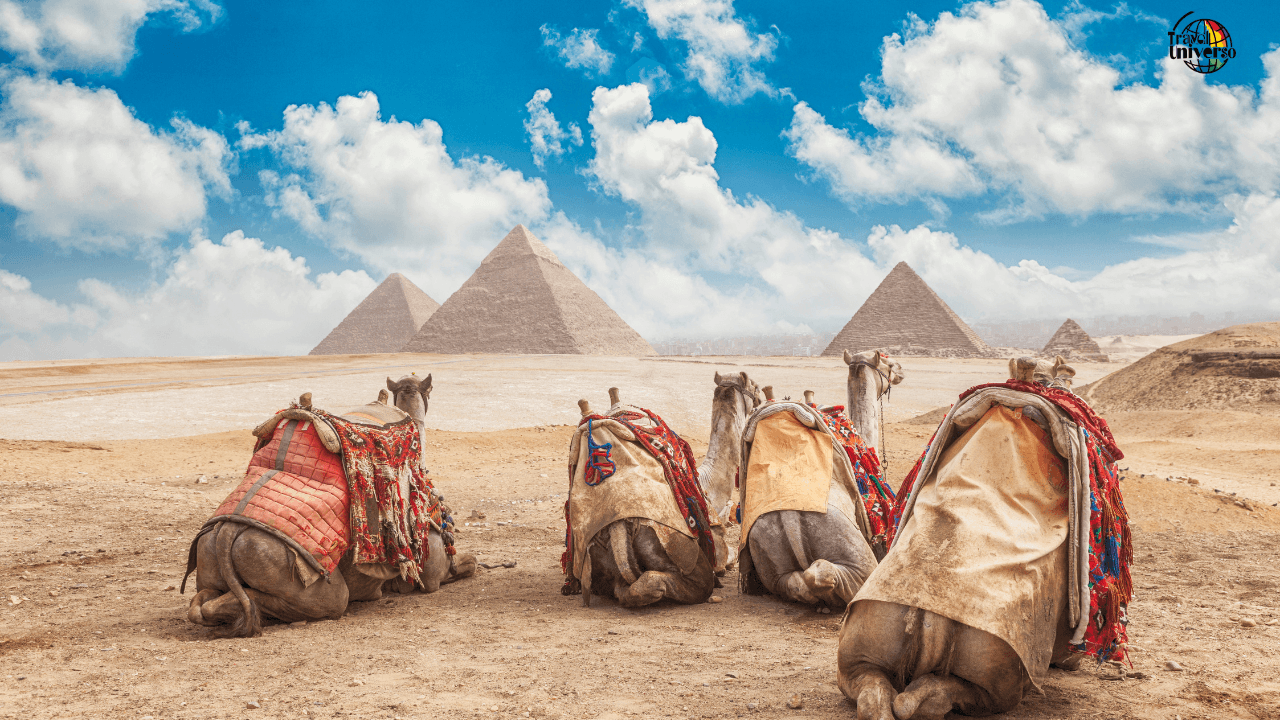
Take a bus to the White Desert near Farafra. Not on a tour, just you and the desert and a local guide who'll drive you in a 4x4 deep into landscapes that look like another planet. Camp there. As darkness falls and stars multiply until the Milky Way looks like spilled milk, your guide will make tea on a small fire and tell you about desert life, about finding water, about reading the sand.
The silence of the desert is not actually silence. It's wind over rock, the crack of cooling stone, the surprising sound of your own heartbeat. In this vastness, the concerns you brought from home begin to seem very small.
Some random wisdom:
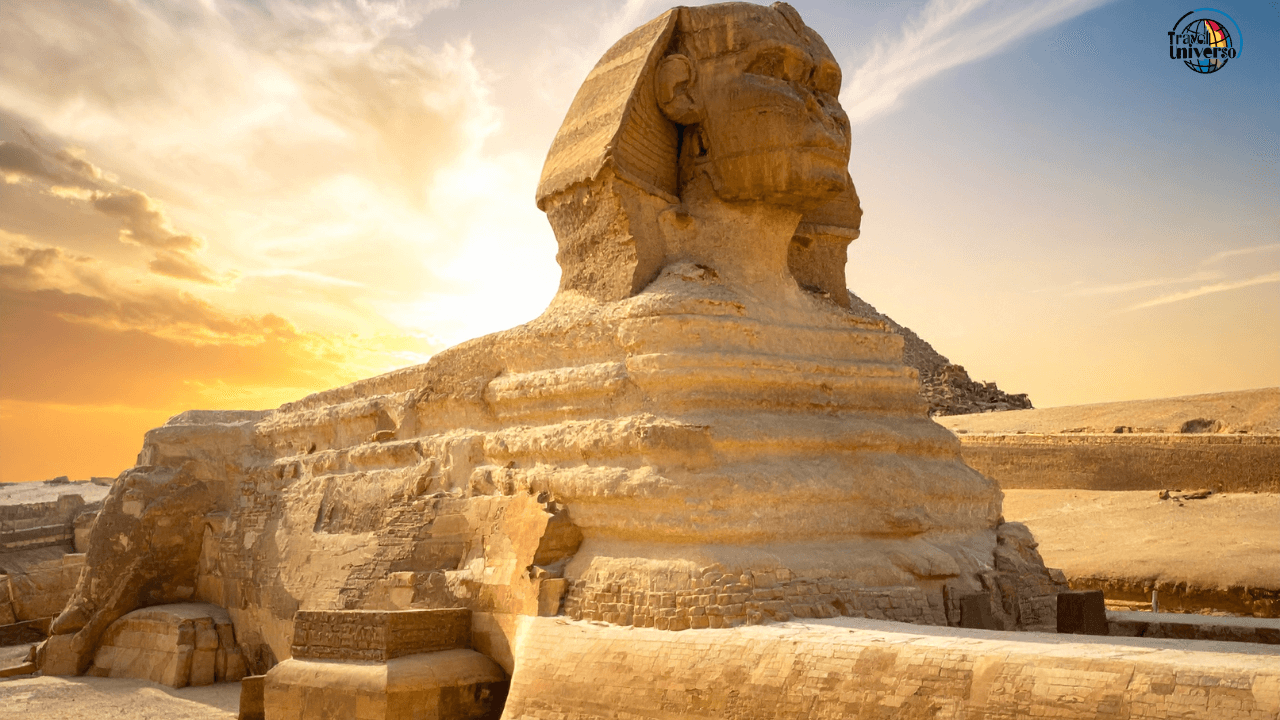
The best time to visit the Pyramids is when they open at 8 AM, before the tour buses arrive and when the morning light makes the limestone glow. Or go at night for the sound and light show, which is genuinely atmospheric.
Learn basic Arabic numbers so you can read prices and street addresses. This one skill will transform your experience.
Egyptians are among the world's most hospitable people, but they're also shrewd businesspeople. The price quoted first is never the price you should pay. Haggling isn't aggressive, it's a social dance. Smile, laugh, drink the offered tea, walk away if needed. Everyone knows the game.
Women travelers: dress modestly in Cairo and Upper Egypt (covered shoulders and knees), though Alexandria and coastal resorts are more relaxed. You'll deal with some staring and occasional comments, but Egypt is generally safe for women who project confidence.
The Egyptian Museum is overwhelming. Don't try to see everything. Hire a guide for two hours to show you the highlights, then return alone to sit with whatever called to you—maybe the Fayum portraits with their haunting, human eyes, or the everyday objects that show how people lived four thousand years ago.
The Thing About Egypt
Egypt will frustrate you. It's chaotic, noisy, dusty, and exhausting. Scams exist. Bureaucracy is Byzantine. The traffic is genuinely terrifying. And yet.
And yet there's something about Egypt that gets under your skin. Maybe it's the sense of standing where humans first built civilization. Maybe it's the way light hits the Nile at sunset. Maybe it's the warmth of strangers who invite you to family dinners, who help you when you're lost, who treat hospitality as a sacred duty.
Most likely, it's the realization that Egypt's real treasure isn't in the museums or the temples. It's in the living culture, the daily rituals, the accumulated wisdom of surviving and thriving for seven thousand years. The pyramids will outlast us all, patient and indifferent. But the people—the people are what make Egypt immortal.
Go. Get lost. Eat with your hands. Say yes to invitations. Let Egypt surprise you. The country you experience will be entirely your own, which is exactly as it should be.
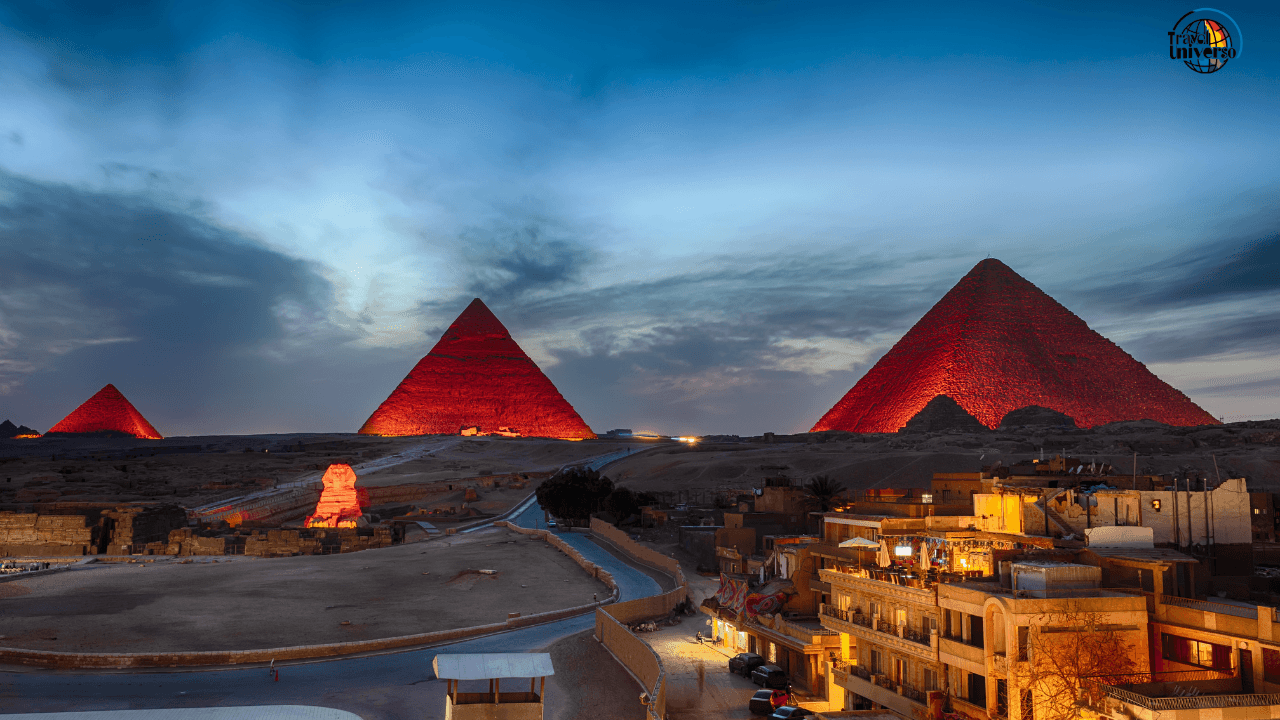
And when you return home, you'll find yourself changed in small ways. You'll miss the chaos. You'll crave proper Egyptian tea, boiled dark with too much sugar. You'll catch yourself haggling at farmers markets back home, smiling at the memory of Alexandria fish vendors or Cairo spice merchants. You'll scroll through your photos and realize that your favorites aren't of the Pyramids or Abu Simbel, but of the taxi driver who spent an hour helping you find your hotel, or the family who invited you to break fast during Ramadan, or the shopkeeper who closed his store to draw you a map on a napkin.
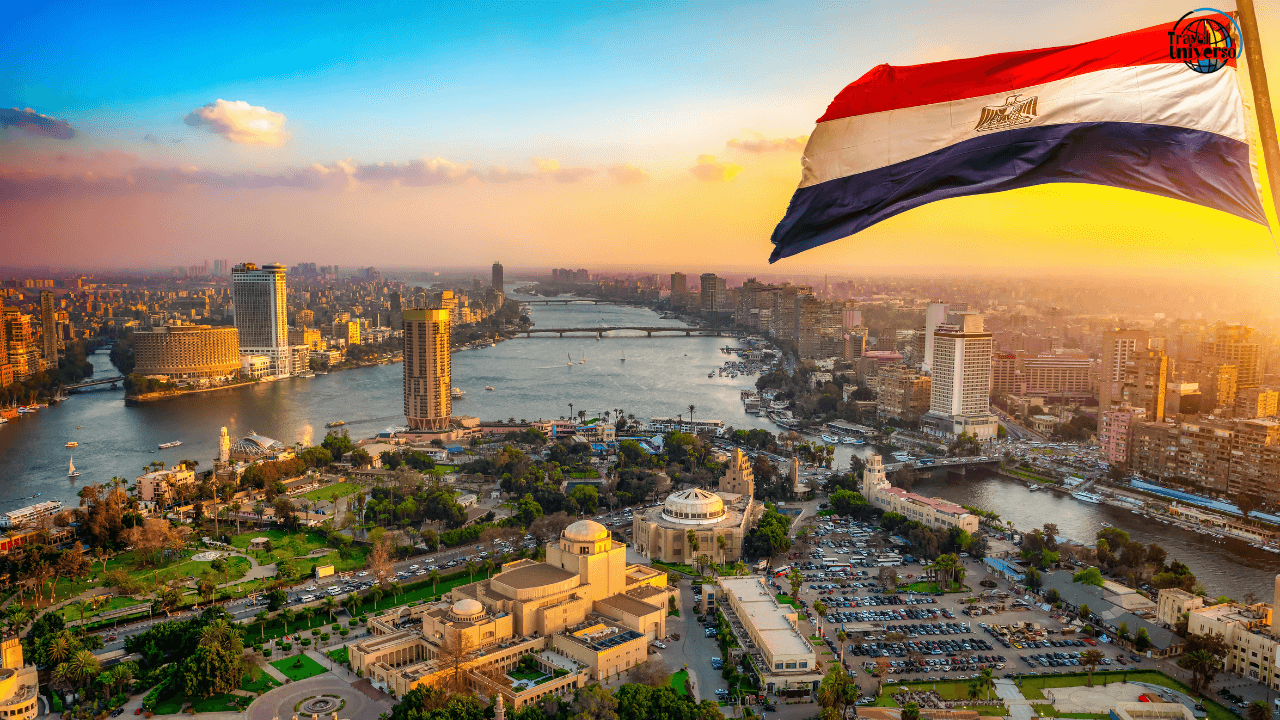
That's when you'll understand what Egypt really gave you. Not a vacation, not a collection of monuments checked off a list, but a recalibration of what travel means. Egypt teaches you that the best experiences can't be planned, that getting lost is sometimes the point, and that the space between tourist and local is smaller than you think—it just takes the courage to step across it. Book the ticket. Egypt is waiting, and it won't be what you expect. That's a promise.
Get our travel tips, itineraries and guides by email
Sign up for my newsletter!
Name
Let us know what you think in the comments!
Newsletter
Subscribe to the newsletter and stay in the loop! By joining, you acknowledge that you'll receive our newsletter and can opt-out anytime hassle-free.
© 2026 Travel Universo. All rights reserved.