




Dubai Without the Instagram Filter
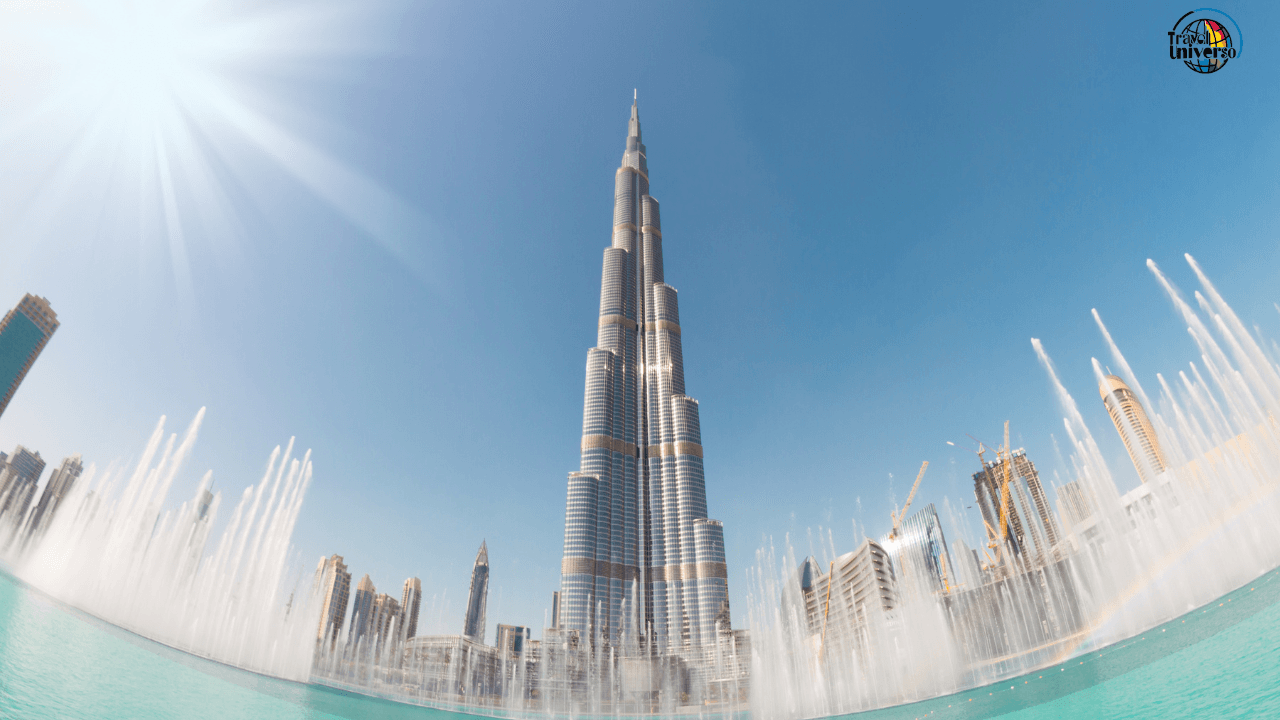
Dubai sells itself as a city of world records and architectural superlatives. Tallest building. Biggest mall. Largest fountain. Indoor ski slope in the desert. It's easy to dismiss it as artifice, as Vegas without the gambling, as a theme park for the wealthy. But underneath the glass towers and gold-plated ATMs, there's a different Dubai that most visitors never see—one that's far more interesting than any brochure.
The City of Accents
Dubai's real magic isn't its buildings, it's its people. Walk through any neighborhood and you'll hear a symphony of languages: Arabic, Hindi, Urdu, Tagalog, Malayalam, Bengali, Persian, English with a dozen different accents. Eighty-five percent of Dubai's population comes from somewhere else, making it possibly the most international city on earth.
This isn't just a statistic. It means that Dubai is essentially hundreds of cities layered on top of each other. There's an entire Filipino Dubai of nurses and hospitality workers, a Pakistani Dubai of taxi drivers and laborers, an Indian Dubai of businessmen and engineers, a Lebanese Dubai of restaurateurs and bankers. These worlds intersect but remain distinct, each with its own social geography, its own weekend routines, its own comfort foods and gathering places.
Your job as a traveler is to find these layers. Skip the Burj Khalifa viewing deck and instead take a taxi to Karama or Satwa or Bur Dubai, where the real city lives in low-rise buildings and works in modest shops. Strike up conversations. Ask your Uber driver where they're from, where they eat, what they miss about home. You'll discover that Dubai is less about Emirati culture—which exists but is outnumbered—and more about this wild experiment in radical diversity.
Eating Your Way Through the World
Here's what's remarkable: you can eat authentic food from nearly any culture on earth in Dubai, often cooked by people from those very places. This isn't fusion or adaptation. This is a Malayali cook making fish curry exactly as his grandmother taught him in Kerala. This is a Syrian family running a restaurant serving the same recipes they made in Damascus.
Start in Deira. The old souks smell of cardamom and saffron, but push past them into the residential areas. Find the Pakistani restaurants with no English signs serving nihari so rich it coats your spoon, or the Iranian spots doing tahdig with a crust so perfect it shatters. In Karama, there are Indian restaurants specializing in one specific regional cuisine—not "Indian food" but Mangalorean or Hyderabadi or Gujarati, each radically different from the others.
The Ethiopian restaurants in Al Karama make injera fresh daily. The Filipino restaurants in places like International City serve sisig and adobo that would make Manila proud. In Satwa, the Lebanese shawarma shops have been in the same families for decades, their rotisseries turning day and night, their garlic sauce a closely guarded secret.
Here's the secret: eat where the taxi drivers eat. They know. They've tried everything. They're the city's food critics, and they vote with their precious break time.
Old Dubai Is Not a Museum
Most tourists do the heritage tour: take an abra across the creek, walk through the gold and spice souks, snap photos, leave. They treat old Dubai like a quaint historical district. But Deira and Bur Dubai aren't preserved in amber—they're working neighborhoods where life happens at a completely different pace than the Marina or Downtown.
Come to the textile souk in the early morning when the shops are receiving shipments. Watch the choreography of men moving bolts of fabric, negotiating in three languages, drinking tiny cups of tea between transactions. This isn't theater for tourists. This is how trade has worked in this region for centuries, just now with smartphones and WhatsApp.
At night, Al Rigga becomes a different universe. The streets fill with South Asian families, the restaurants overflow, impromptu cricket discussions break out on street corners. There's a shawarma place on every block, each with fierce loyalists who will argue their spot makes the best in the city. Try several. Join the debate.
The creek itself is still a working waterway. Wooden dhows load cargo for Iran, Pakistan, East Africa—the same trading routes that have existed for a thousand years. You can arrange to sail on one if you ask around. It's not an official tour, it's just... asking. This is how things work in old Dubai. Everything is possible through conversation.
The Desert Is Right There
Everyone does a desert safari. Most are terrible—overcrowded buses to "Bedouin camps" with buffets and belly dancers, as authentic as a hotel lobby. But the desert is right there, just beyond the city, and it's extraordinary if you approach it right.
Rent a car and drive to the edge. Past Arabian Ranches, past Dubai Outlet Mall, until the road ends and the sand begins. Early morning or late afternoon, when the light turns the dunes amber and rose. You don't need a tour company. You need silence and time and a willingness to walk into emptiness.
Or find a local guide—not through a tour company but through word of mouth, someone recommended by a hotel employee or a restaurant owner. These are often Emiratis or longtime desert dwellers who know the landscape like you know your neighborhood. They'll take you to places where you won't see another soul, where the only sound is wind over sand, where you can understand why people fell in love with this place before there were air conditioners.
Spend a night out there if you can. Not in a resort. In a simple camp with Bedouin tea and dates and conversation. Watch the stars appear in numbers that seem impossible. Feel the temperature drop. Listen to stories about this land before the towers, about pearl diving and camel trading and survival in impossible conditions.
The Contradictions Are the Point
Dubai is bewildering. It's a deeply conservative Islamic society where you can buy alcohol in most hotels. It's a place built by immigrant labor, some treated well and some exploited. It's environmentally absurd—massive air conditioning, water features in the desert, indoor skiing—and yet it's investing billions in renewable energy. It's autocratic and yet relatively tolerant of religious and cultural diversity.
It's ancient trade routes and 21st-century logistics. It's everything and its opposite.
Don't try to resolve these contradictions. They're not bugs, they're features. Dubai is what happens when you compress centuries of development into decades, when you import the world's workforce, when you pour oil wealth into ambition. It's not always pretty or fair or logical. But it's fascinating.
Practical Realities
Some things to know:
The metro is excellent, cheap, and connects most major areas. Use it. Taxis are affordable and everywhere—drivers are often amazing sources of local knowledge.
Friday is the holy day. Many places are closed Friday morning, but by afternoon everything's open. The weekend is Friday-Saturday, which takes getting used to.
Summer is genuinely brutal. May through September sees temperatures regularly above 110°F (43°C). You'll go from air-conditioned building to air-conditioned car to air-conditioned mall. October through April is perfect—warm days, cool evenings, endless sunshine.
Alcohol is only available in hotels and licensed venues. It's expensive. Most residents make peace with drinking less or not at all. You adjust quickly.
Dress modestly in public. Shorts and t-shirts are fine, but keep shoulders covered in malls and restaurants. In old Dubai and residential areas, err on the side of conservative. Beach clubs and hotel pools are different worlds with different rules.
Dubai is safe. Remarkably so. Women can walk alone at night. Crime is minimal. This is partially because of heavy surveillance and serious penalties, but also because most residents are here to work and build lives, not cause trouble.
Tipping isn't mandatory but is appreciated. Ten percent is standard if you tip at all.
The Strangest Global City
Dubai shouldn't work. A city of three million people, almost none of them native to the place, built in a generation on oil wealth and ambition, in one of the harshest climates on earth. It's too hot, too artificial, too new, too unequal. And yet it does work, in its strange way.
What makes Dubai compelling isn't the superlatives. It's the Filipino nurse who sends money home every month and hasn't seen her children in two years but believes this sacrifice will give them a better future. It's the Pakistani taxi driver who's been here twenty years and calls it home even though he'll never get citizenship. It's the Egyptian architect designing towers he could never afford to live in. It's the Emirati grandmother watching her city transform beyond recognition but still serving Arabic coffee the traditional way.
This is Dubai's real story—not the buildings but the millions of individual gambles, the belief that leaving home and working hard in this improbable place might lead somewhere better. It's the most capitalist city on earth, the most transactional, but also strangely hopeful. Everyone here is trying to build something, even if it's just a decent life for their family back home.
Visit the towers if you want. Take the photos. Ride the elevator to the 124th floor. But then go to Deira at sunset, sit in a tea shop, and listen to the conversations happening in languages you don't understand. That's where you'll find what makes Dubai unique—not its height, but its depth. Not what it's built, but who built it, and why they came, and what they're still building together in the margins between the glass and steel.
Come with curiosity instead of judgment. Dubai doesn't need your approval. It's too busy becoming whatever it's becoming next. But if you pay attention, if you look past the obvious, you might just find one of the most fascinating urban experiments on the planet.
Let us know what you think in the comments!
Newsletter
Subscribe to the newsletter and stay in the loop! By joining, you acknowledge that you'll receive our newsletter and can opt-out anytime hassle-free.
© 2026 Travel Universo. All rights reserved.