





The Dominican Republic's Double Life: Where Resorts End and Real Paradise Begins
The Dominican Republic exists in two parallel universes. In one, millions of tourists arrive annually at Punta Cana's mega-resorts, never leaving the all-inclusive compound, experiencing "Dominican culture" through poolside entertainment and buffet lines. They return home with tans, piña colada memories, and stories about a place they never really visited.
In the other universe—the actual Dominican Republic—life unfolds with Caribbean exuberance: bachata music spilling from corner colmados (neighborhood stores), locals gathering for dominoes tournaments that last until dawn, roadside food stands serving the best mofongo you'll ever taste, beaches where you're the only tourist for miles, and a culture so warm and spontaneous that plans dissolve into invitations and adventures you never expected.
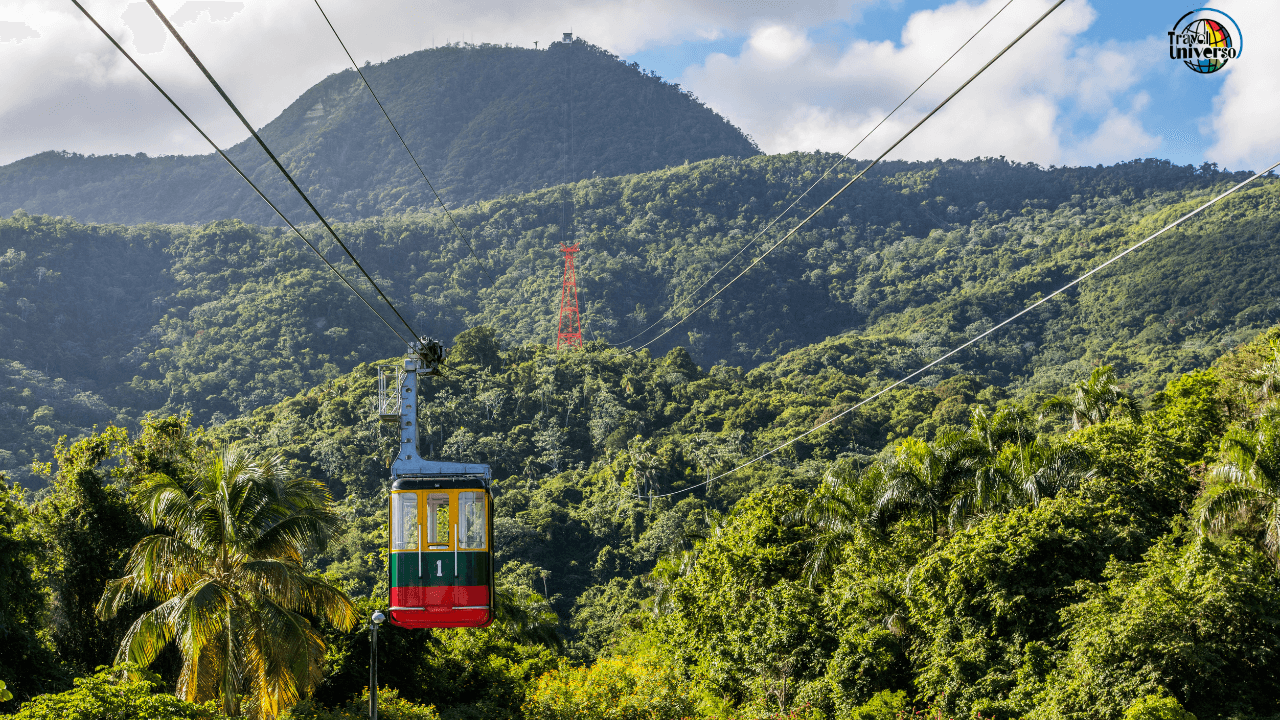
After numerous trips across this island nation—from Santo Domingo's colonial zone to remote mountain villages, from tourist-packed beaches to fishing communities where few foreigners venture—I've learned that the Dominican Republic rewards curiosity over comfort.
The best experiences require leaving the resort, engaging with locals despite language barriers, saying yes to unexpected invitations, and understanding that Dominican time operates on a rhythm all its own.
This isn't your typical "top 10 beaches" guide. This is how to experience the Dominican Republic as Dominicans do—with joy, spontaneity, and the understanding that the best adventures can't be pre-booked.
Escape Punta Cana (Seriously, Just Leave)
Punta Cana serves a purpose—convenient, predictable, all-inclusive relaxation for people who want beaches without cultural immersion. But if you're reading this, you probably want more.
Here's the truth: Punta Cana's beaches are nice, but the Dominican Republic has dozens of spectacular beaches without the crowds and with actual Dominican culture attached. Spending your entire trip in a resort compound is like flying to Paris and only visiting Disneyland Paris.
Better beach alternatives:
Playa Rincón (Samaná Peninsula): Consistently ranked among the world's best beaches—white sand, turquoise water, coconut palms, almost no development. You'll reach it by boat from Las Galeras (a small fishing village worth exploring). Bring cash for the boat captain and lunch at one of the simple beachside restaurants run by local families.
Bahía de las Águilas (Pedernales Province): The DR's most remote beautiful beach—pristine, undeveloped, part of Jaragua National Park. Getting here requires effort: drive to Pedernales, then boat across, or arrange a tour. The reward: a beach so untouched it feels like your private island.
Playa Grande (north coast): Dramatic beach with powerful waves, backed by cliffs and resorts that are actually integrated into Dominican towns rather than walled compounds. Nearby Río San Juan offers authentic local life—restaurants serving fresh seafood, locals gathering in the plaza, none of the Punta Cana artificiality.
Cabarete: If you want beach town energy with actual culture, Cabarete offers water sports (world-class windsurfing and kiteboarding), international food scene, and a mix of expats and Dominicans creating genuine community rather than tourist bubble.
When you venture beyond Punta Cana, suddenly the Dominican Republic becomes three-dimensional: you'll see how people actually live, eat food that isn't buffet catering, hear music that isn't performed for tourists, and interact with Dominicans beyond resort staff.
Practical tip: Renting a car gives you freedom to explore. Dominican driving is... adventurous (motorcycles everywhere, creative traffic rules, unexpected speed bumps), but manageable if you stay alert. Alternatively, hire a driver for day trips—your hotel can arrange this, and it's surprisingly affordable.
Master the Art of Eating Outside Resorts
Resort food is fine—safe, predictable, internationally bland. But Dominican cuisine is vibrant, affordable, and delicious, and you're missing everything if you only eat buffet meals.
The essential Dominican meal: La Bandera Dominicana (The Dominican Flag)—white rice, red beans, meat (chicken, beef, or pork), and salad. It's served everywhere, costs 150-300 pesos ($3-6), and is genuinely satisfying. Not fancy, not exotic, just good daily food that Dominicans actually eat.
Where to eat:
Comedores: Simple local restaurants serving Dominican home cooking. Look for places crowded with locals during lunch (1-3 PM)—the universal sign of good food and fair prices. No English menus, minimal décor, maximum flavor. Point at what looks good and trust the process.
Colmados: These aren't restaurants but neighborhood stores that also serve as social hubs. Many have outdoor seating where locals gather, drinking Presidente beer, playing dominoes, listening to music. Some serve simple food—fried chicken, tostones (fried plantains), empanadas. The experience matters as much as the food: this is where community happens.
Food stands: Roadside vendors selling chicharrón (fried pork), yaroa (Dominican loaded fries with meat and cheese), pastelitos (fried turnovers), and fresh fruit. Street food here is generally safe—look for busy stands with high turnover and food cooked fresh.
Must-try dishes:
Mofongo: Mashed plantains with garlic and pork rinds, often filled with meat or seafood. Each region has its version; coastal mofongo with seafood is exceptional.
Sancocho: Hearty stew with various meats and root vegetables—Dominican comfort food, especially good on weekends when families make it together.
Mangú: Mashed plantains served for breakfast with fried cheese, salami, and eggs—the ultimate Dominican breakfast.
Yaroa: The DR's late-night drunk food—French fries topped with meat, cheese, and various sauces. Messy, glorious, perfect at 2 AM.
Fresh fruit: Mango, papaya, passion fruit, guanabana—available from vendors everywhere. Buy fruit already cut in bags for easy eating.
Drink culture: Presidente is the national beer—light, refreshing, perfect for heat. Mamajuana is the traditional herbal-rum drink (varies wildly in quality). Fresh fruit juices (jugos naturales) are incredible—try morir soñando (orange juice and milk) or chinola (passion fruit).
Important: Don't drink tap water. Bottled water is cheap and available everywhere. Ice in restaurants is usually fine (made from purified water), but when in doubt, ask or skip it.
Navigate Dominican Time and Transportation
Dominican culture operates on a different temporal plane. "Ahorita" (right now) might mean in five minutes or three hours. Plans are fluid. Punctuality is... aspirational. This isn't rudeness—it's cultural rhythm that prioritizes relationships over schedules.
Embracing Dominican time:
Add 30-60 minutes to any meeting time
Don't book tight connections or back-to-back activities
When someone says "we'll leave soon," bring patience and a good attitude
Stress won't make things move faster—it just ruins your day
Transportation options:
Públicos (shared taxis): The authentic Dominican transport experience. These are typically small cars (often ancient Corollas) that follow fixed routes, picking up passengers until impossibly full (think 5-6 people in a car meant for 4). They're cheap (25-100 pesos depending on distance), efficient once you understand the system, and genuinely local. Wave one down, ask if they're going your direction ("¿Va a...?"), negotiate price if necessary, squeeze in.
Guaguas (minibuses): Similar concept but larger—minibuses serving longer routes between towns. Even more crowded, even more authentic, even cheaper. The helper (cobrador) hangs out the door shouting destinations and collecting fares. It's chaos and adventure combined.
Motoconchos (motorcycle taxis): Everywhere in the DR, you'll see motorcycle taxis. They're cheap, fast, dangerous, and ubiquitous. For short trips in town, they're convenient. Negotiate price before getting on. Helmets are theoretically required but rarely provided. Use your judgment on safety—avoid them if you're uncomfortable.
Private taxis: More expensive but safer and more comfortable. Use taxi apps like Uber (available in Santo Domingo and some tourist areas) or have your hotel call reputable taxi services. Always agree on price before starting the trip for regular taxis.
Rental cars: Freedom to explore but requires confidence. Dominican driving is aggressive—expect motorcycles appearing from nowhere, creative interpretation of lanes, and speed bumps (tumulos) without warning. GPS helps but isn't always accurate on back roads.
Pro tip: For long trips (Santo Domingo to Samaná, for example), consider tourist bus services like Caribe Tours or Metro—comfortable, air-conditioned, reasonably priced, and they actually leave on schedule.
Dance (Even If You Can't) and Join the Party
Dominican culture is fundamentally social and musical. Bachata and merengue aren't just tourist entertainment—they're how Dominicans communicate joy, romance, community, and identity. If you're not dancing, you're missing a core piece of the culture.
Where to experience authentic music:
Local clubs and dance halls: Not tourist venues but places where Dominicans go to dance. In Santo Domingo, neighborhoods like Zona Colonial have spots like Jet Set or Bachata Rosa. In smaller towns, ask locals where people dance—every town has its spot.
Colmado culture: As the night progresses (usually after 9 PM), colmados transform into impromptu block parties. Music plays loud, people dance in the street, Presidente flows freely, and the entire neighborhood participates. This is grassroots Dominican nightlife—free, open to all, genuinely community-based.
Festivals and town celebrations: Dominican towns constantly celebrate something—patron saint days, cultural festivals, holidays. If you're in a town during a festival, you're automatically invited to participate. The entire community turns out, bands play live, people dance for hours, and strangers become friends.
How to dance (even if you're terrible):
First, abandon self-consciousness. Dominicans don't judge bad dancing—they celebrate anyone willing to try. Second, watch and copy. The basic merengue step is simple: march in place while moving hips (seriously, that's the foundation). Bachata has a four-step pattern with a hip movement on the fourth beat—watch couples and you'll see it.
Third, accept invitations to dance. If someone extends a hand, say yes. They'll guide you, show you steps, laugh with you (not at you) when you stumble. Dominican dance culture is inclusive—the point is joy and connection, not technical perfection.
I've seen tourists initially mortified at being pulled onto dance floors become confident dancers by trip's end, simply because Dominicans are patient, encouraging teachers who genuinely want you to enjoy their music.
Even if you never become a skilled dancer, making the effort shows respect for the culture and opens doors to interactions you'd never have as an observer.
Explore Santo Domingo's Actual History
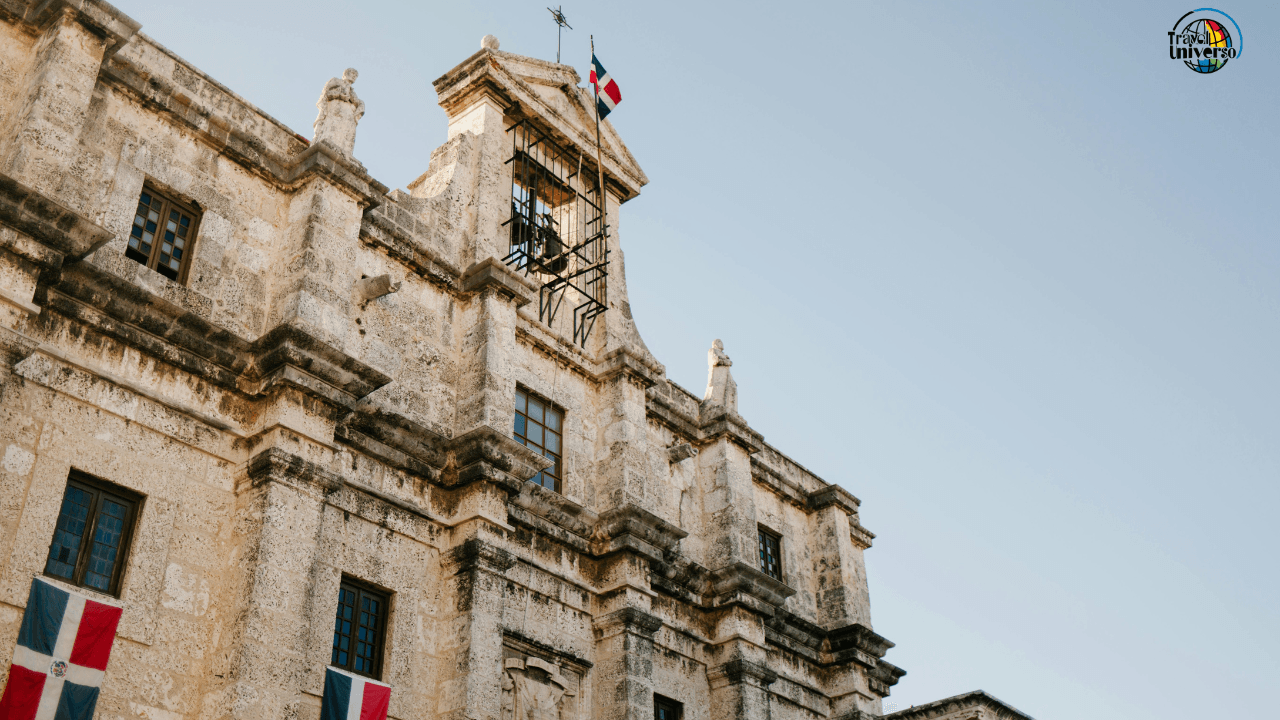
Santo Domingo is the Americas' oldest continuously inhabited European settlement—founded 1496, predating Jamestown by 111 years. The Zona Colonial (Colonial Zone) is a UNESCO World Heritage site filled with 500-year-old buildings, cobblestone streets, and actual historical significance that resort areas completely lack.
Essential historical sites:
Alcázar de Colón: Palace built for Diego Columbus (Christopher's son), now a museum. The architecture and period furnishings reveal colonial life's reality—less romantic than imagined.
Catedral Primada de América: First cathedral in the Americas (1540s). The stone architecture is impressive, the historical weight profound—this is where European Christianity was first established in the New World.
Las Damas Street: The Americas' first paved street, where colonial ladies strolled. It's now lined with restaurants and shops but retains historical atmosphere.
Fortaleza Ozama: Fortress dating to 1502, offering panoramic city views and insights into colonial military architecture.
But here's what matters: Don't just photograph these places—understand their context. This is where European colonization of the Americas began, where Indigenous Taíno people were enslaved and died, where African slaves were brought, where three cultures collided and created Dominican identity.
Beyond tourist sites:
Walk beyond the carefully preserved colonial core. Explore neighborhoods like Ciudad Nueva or San Carlos where actual Dominicans live—markets, local restaurants, street life, the Santo Domingo that exists beyond tourism.
Visit the Malecón (waterfront boulevard) in the evening when locals gather—families, couples, friends sitting on the seawall, eating street food, enjoying the breeze, living life. This is Santo Domingo's living room, and you're welcome to join.
Try the public transportation, eat at local spots, get your hair cut at a neighborhood barbershop, buy fruit from street vendors. These mundane activities reveal culture more authentically than any guided tour.
Understand Dominican Warmth (And Appropriate Responses)
Dominicans are famously warm, friendly, and physically affectionate in ways that can surprise visitors from more reserved cultures. Understanding these social norms helps you navigate interactions comfortably.
Greetings: Expect kisses on the cheek (one kiss, usually right cheek to right cheek) when greeting women and close male friends. Men typically shake hands with other men they don't know well. Always greet people when entering small spaces—shops, waiting rooms, small restaurants. A simple "buenos días" or "buenas tardes" to everyone present is expected.
Personal space: Dominicans stand closer during conversation than Northern Europeans or North Americans typically do. This isn't aggressive—it's normal. Backing away seems cold and unfriendly.
Friendliness: The warmth is genuine. Dominicans are curious about visitors, enjoy conversation, and often extend invitations spontaneously—to their homes, to events, to meals. These aren't usually scams (though exercise normal caution in tourist areas). More often, they're genuine hospitality.
When invited: If someone invites you to their home or a family gathering, bringing something small is appreciated—pastries, fruit, drinks. Don't expect punctuality (even from your hosts), expect the gathering to last longer than announced, and expect to be fed generously.
Language: English is common in tourist areas but rare elsewhere. Basic Spanish opens doors. Key phrases: "¿Cómo está?" (how are you?), "Gracias" (thank you), "¿Cuánto cuesta?" (how much?), "No hablo español bien" (I don't speak Spanish well). Attempting Spanish, even poorly, earns immediate warmth and patience.
Saying no politely: Sometimes you need to decline—persistent vendors, unwanted offers, uncomfortable situations. "No, gracias" said firmly but politely usually works. Repeat as necessary. You can be assertive without being rude.
Tipping culture: In restaurants, 10% is standard, often automatically added to the bill (check first). Tip tour guides (10-15% of tour cost), hotel staff (20-50 pesos per day for housekeeping), and anyone providing personal services. Tips are significant income for service workers.
The Dominican Lesson
The Dominican Republic teaches something that structured, scheduled, all-inclusive tourism often misses: that joy is contagious, that spontaneity creates better stories than itineraries, that community matters more than efficiency, and that dancing in the street with strangers might be exactly what you needed without knowing it.
The passeggiata in Italy is structured beauty; the Dominican street party is explosive spontaneity. Both are valid, but the Dominican version—music suddenly blaring from a colmado, people materializing to dance, the party happening simply because it's Tuesday night and someone felt like celebrating—teaches you to embrace unpredictability as opportunity rather than inconvenience.
You learn this not at the resort's merengue show but at the actual colmado at 11 PM. Not on the organized excursion but when your público driver invites you to his cousin's birthday party. Not at the hotel restaurant but at the comedor where the owner insists you try her special sancocho recipe. Not on the tour company's "cultural experience" but in actual cultural experience—messy, spontaneous, unpredictable, real.
The Dominican Republic beyond the resort fence is louder, less polished, occasionally challenging, and infinitely more rewarding. It requires flexibility (plans change constantly), openness (say yes to invitations), patience (nothing runs on time), language effort (even broken Spanish helps), and willingness to be slightly uncomfortable (but never actually unsafe).
In return, you get a country that welcomes you genuinely, feeds you generously, teaches you to dance badly and proudly, shows you beaches without crowds, invites you into daily life, and reminds you that travel's purpose isn't checking boxes but collecting moments—the unexpected invitation, the spontaneous dance party, the locals who became friends, the detour that became the highlight.
The Dominican Republic in the resort is easy, comfortable, forgettable. The Dominican Republic beyond the fence is complex, vibrant, unforgettable—the one that sends you home with stories, friends, a bachata playlist, and the understanding that the best travel happens when you stop being a tourist and start being a participant.
¡Buen viaje! Say yes to the party. You're in the DR.
Let us know what you think in the comments!
Newsletter
Subscribe to the newsletter and stay in the loop! By joining, you acknowledge that you'll receive our newsletter and can opt-out anytime hassle-free.
© 2026 Travel Universo. All rights reserved.