





Your Complete Switzerland Bucket List: What to Know Before Visiting These 20 Incredible Destinations
Planning a trip to Switzerland can feel overwhelming. With so many incredible places to explore, how do you decide where to go? And more importantly, how do you make the most of your time once you're there? I've put together this guide based on my experiences visiting Switzerland's top twenty destinations, and I'm sharing all the insider tips I wish I'd known before my first visit.
Before You Go: Essential Planning Tips
Let me start with something that'll save you a ton of money: get the Swiss Travel Pass. Seriously, this is a game-changer. Switzerland's trains, buses, and boats are incredibly efficient, but they're also expensive. The Swiss Travel Pass gives you unlimited travel on the country's public transportation network, plus free entry to over 500 museums. For most of the destinations I'm about to share with you, this pass will pay for itself in just a few days.
Another tip: Switzerland uses Swiss Francs, not Euros. While some places accept Euros, you'll get a much better exchange rate if you pay in Francs. ATMs are everywhere, and credit cards are widely accepted.
The Alpine Wonders You Can't Miss
Matterhorn Glacier Paradise
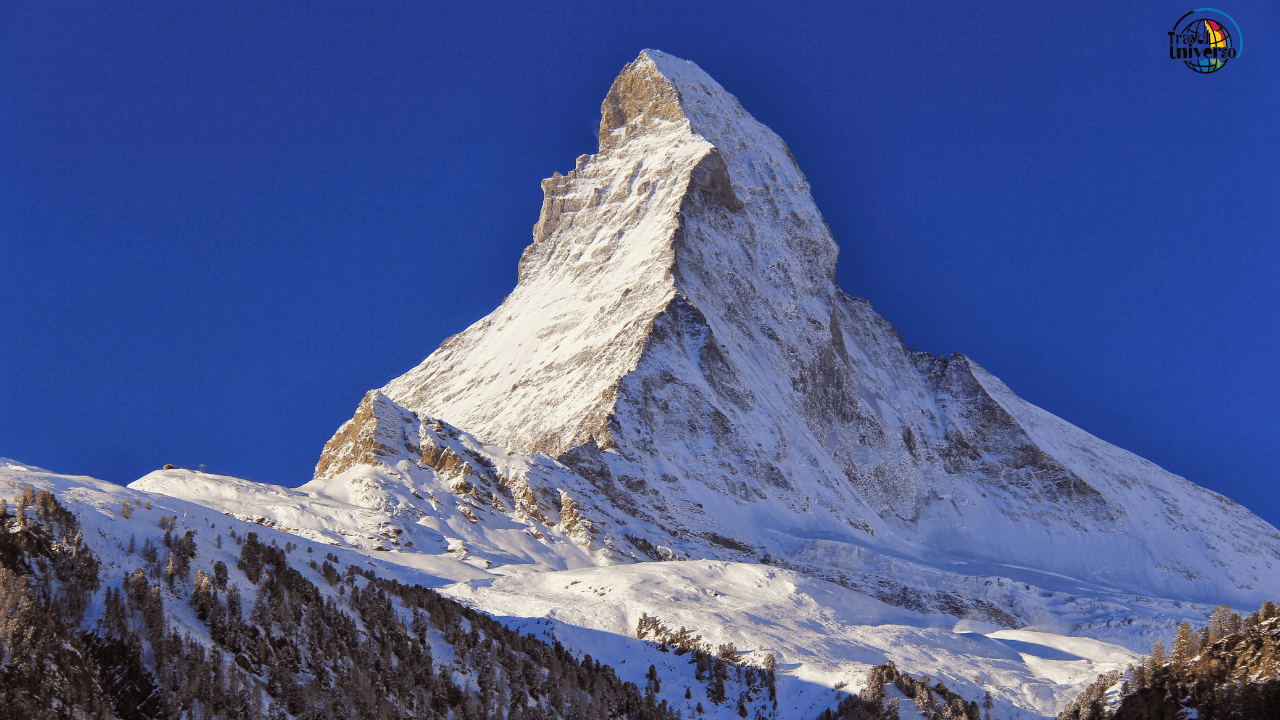
Here's what nobody tells you about visiting the Matterhorn: go early in the morning. I'm talking first cable car early. The crowds build up quickly, especially during summer months, and you want those pristine photo opportunities before everyone else arrives. The Glacier Palace is fascinating, but dress warmly—it's literally carved into ice, and it's freezing even in July.
Pro tip: Book your cable car tickets online in advance. You'll save time and often get a small discount. And if you're prone to altitude sickness, take it slow when you reach the top. At over 3,800 meters, the thin air can catch you off guard.
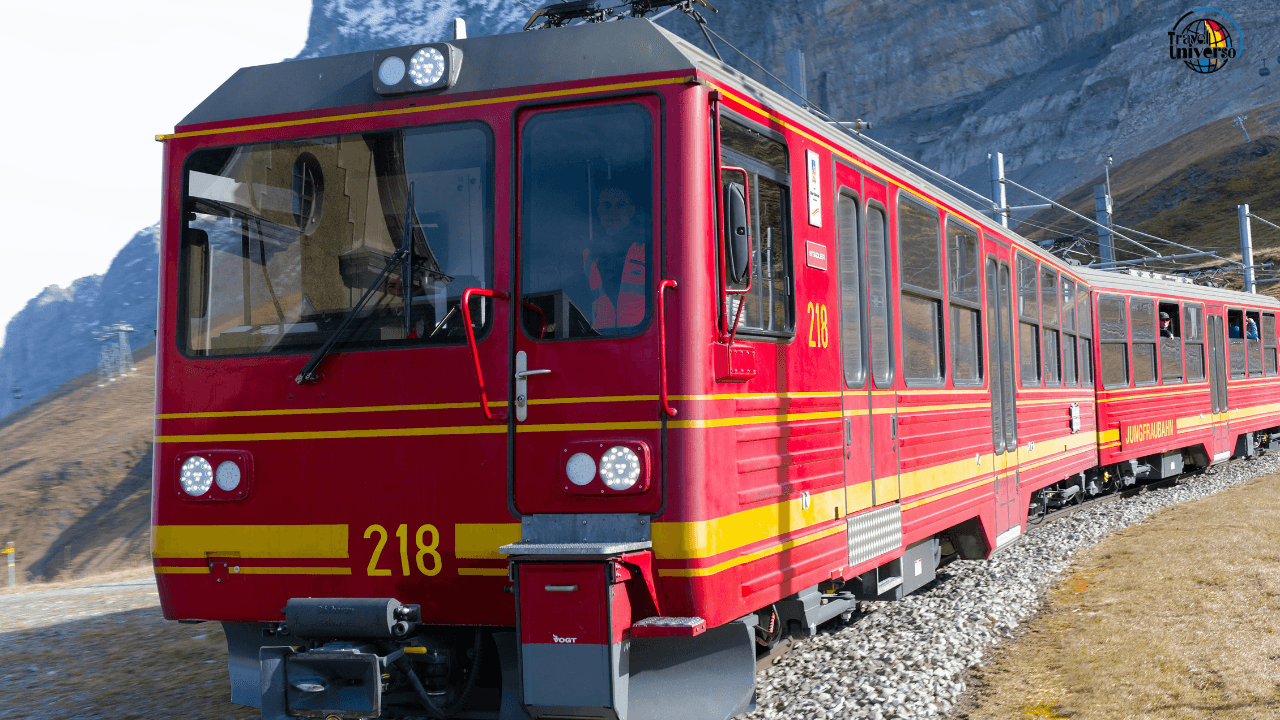
Gornergrat Railway
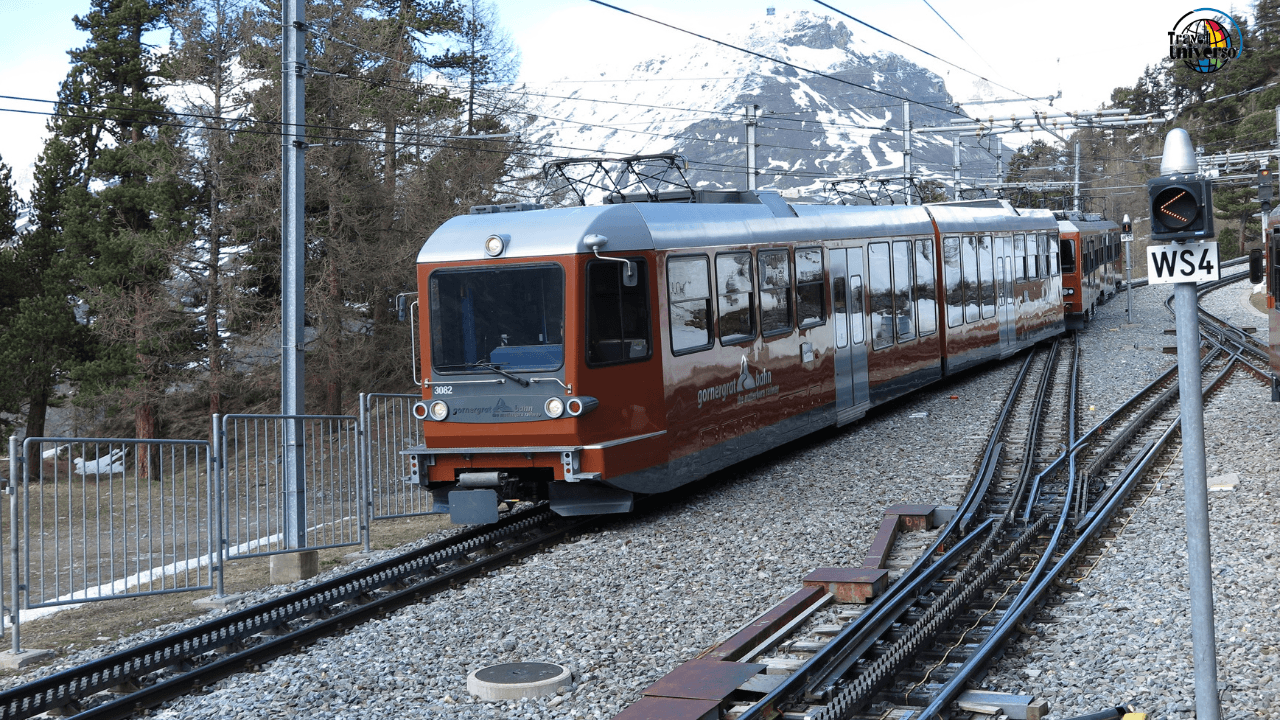
This is my favorite way to see the Matterhorn, hands down. Unlike the cable car experience, the railway journey gives you time to absorb the changing landscapes. Sit on the right side of the train going up for the best Matterhorn views.
Here's an insider secret: if you take the first train up (around 8 AM in summer), you'll often find yourself above the clouds with crystal-clear views while the valleys below are still misty. It's absolutely magical. Stay for at least an hour at the top—there are well-marked hiking trails if you want to explore, and the restaurant has surprisingly good food with unbeatable views.
Rhine Falls
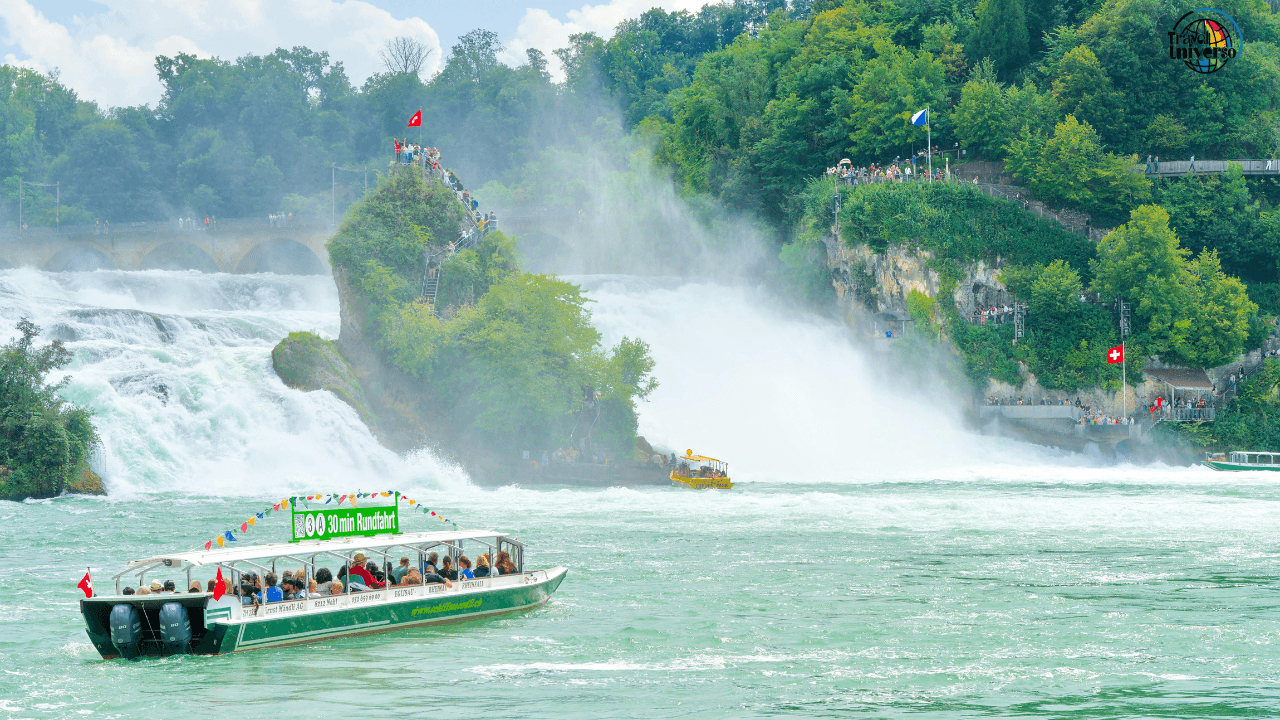
Visit Rhine Falls in late spring or early summer when snowmelt makes the falls even more powerful. The boat ride to the middle rock platform is absolutely worth it—feeling the spray and hearing the thunderous roar up close is an experience you won't forget. Wear waterproof clothing or bring a rain jacket because you will get wet.
Timing tip: Late afternoon visits mean fewer tour groups, and the light is perfect for photography. There's a viewing platform on the Laufen Castle side that gives you incredible panoramic views—much better than the crowded platforms on the other side.
Cultural Treasures and Historic Landmarks
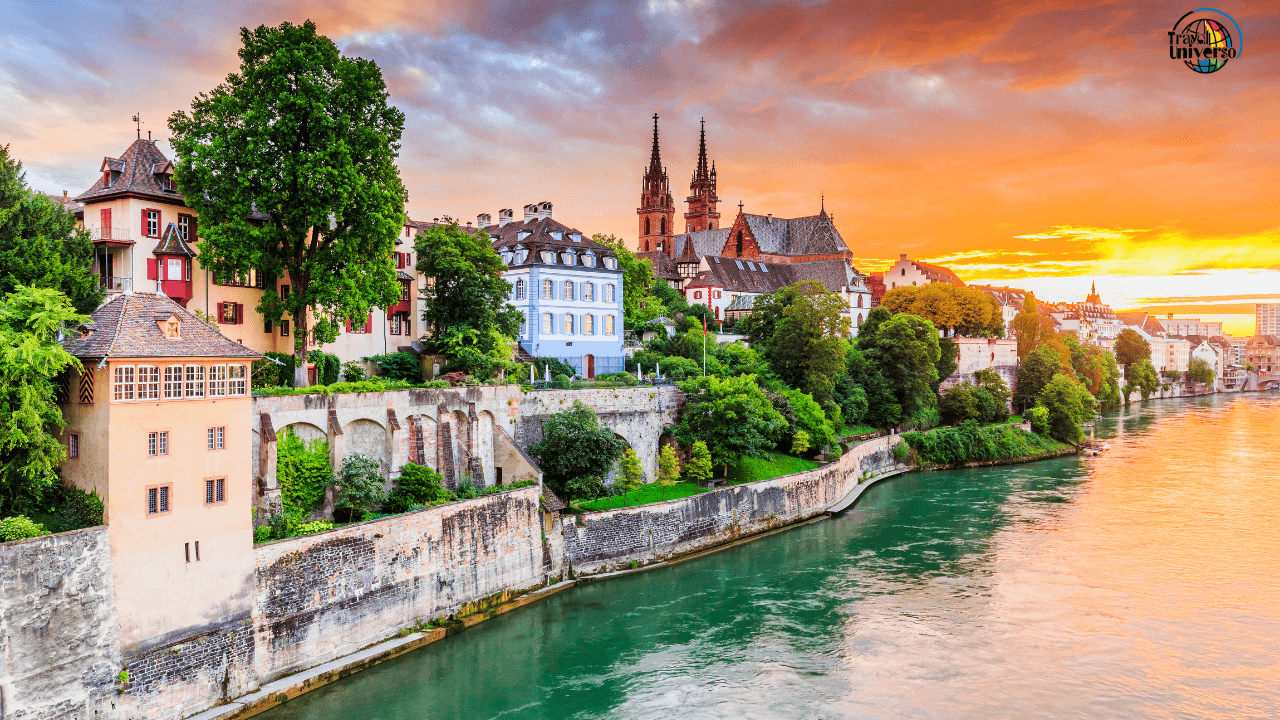
Basel's Fine Arts Museum
If you're an art lover, dedicate at least half a day here. The collection is massive, and rushing through would be a shame. The museum offers free guided tours in English on certain days—check their website before you go. The modern wing they added in 2016 is architecturally stunning, so don't skip it.
Budget tip: Many Swiss museums offer free entry on the first Sunday of the month or have reduced evening rates. Check individual museum websites for details.
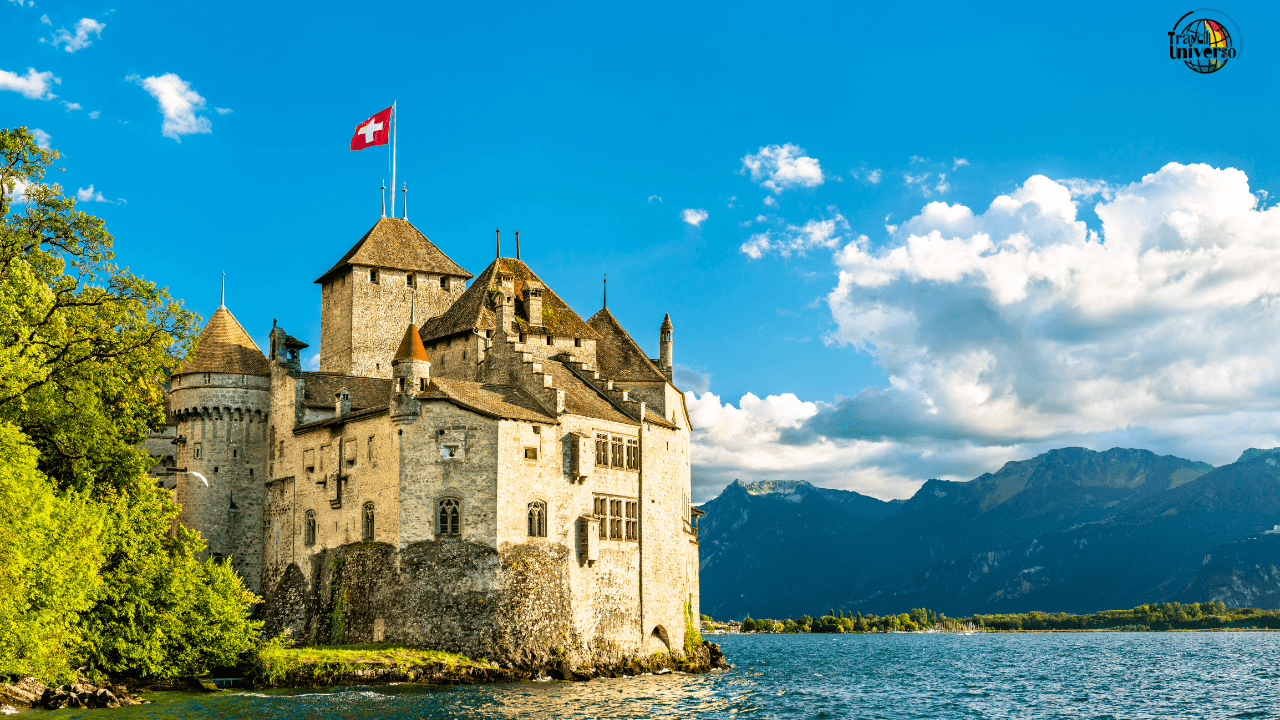
Chillon Castle
This is one of those places that looks even better in person than in photos. Get there when it opens at 9 AM to avoid the cruise ship crowds that arrive around 10:30. The audio guide is excellent and really brings the castle's history to life—definitely worth the small additional fee.
Walking tip: You can easily walk from Montreux to Chillon Castle along the lakeside promenade. It takes about 45 minutes and is absolutely beautiful, especially on a sunny day.
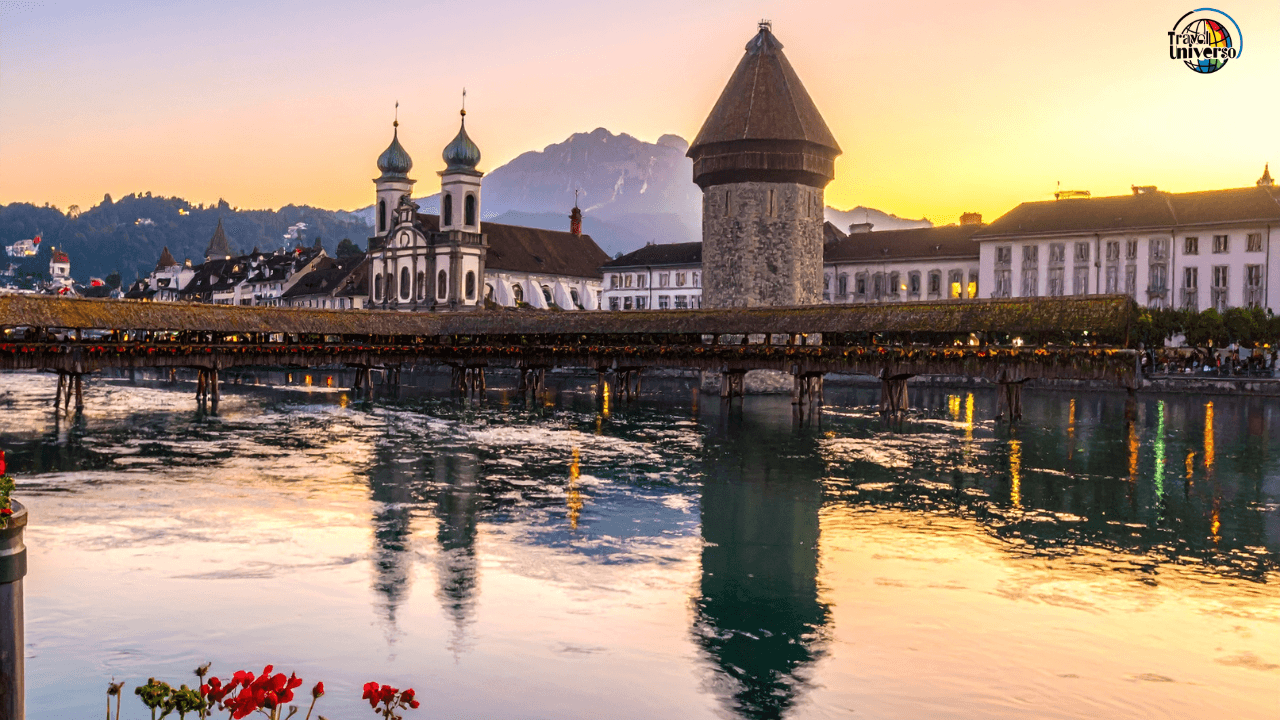
Chapel Bridge in Lucerne
Visit the Chapel Bridge early in the morning or around sunset for the best photos without crowds. The bridge is lovely, but here's what makes it special: look up at the paintings on the interior panels. They tell the story of Lucerne's history, and most tourists rush across without noticing them.
Combine your visit with a walk around Lucerne's old town—it's compact, charming, and filled with beautiful painted buildings. The weekly markets on Tuesday and Saturday mornings are fantastic for local cheese, bread, and produce.
Museums That Are Actually Fun
Swiss Museum of Transport
Even if you're not particularly interested in transportation, this museum is genuinely entertaining. The interactive exhibits are perfect if you're traveling with kids, but adults enjoy them just as much. Don't miss the chocolate adventure at the end—it's a multi-sensory journey through Swiss chocolate making, and yes, there are samples.
Time-saving tip: This museum is huge. If you're short on time, focus on the railway and aviation halls—they're the highlights. The planetarium shows are also excellent if you can catch one.
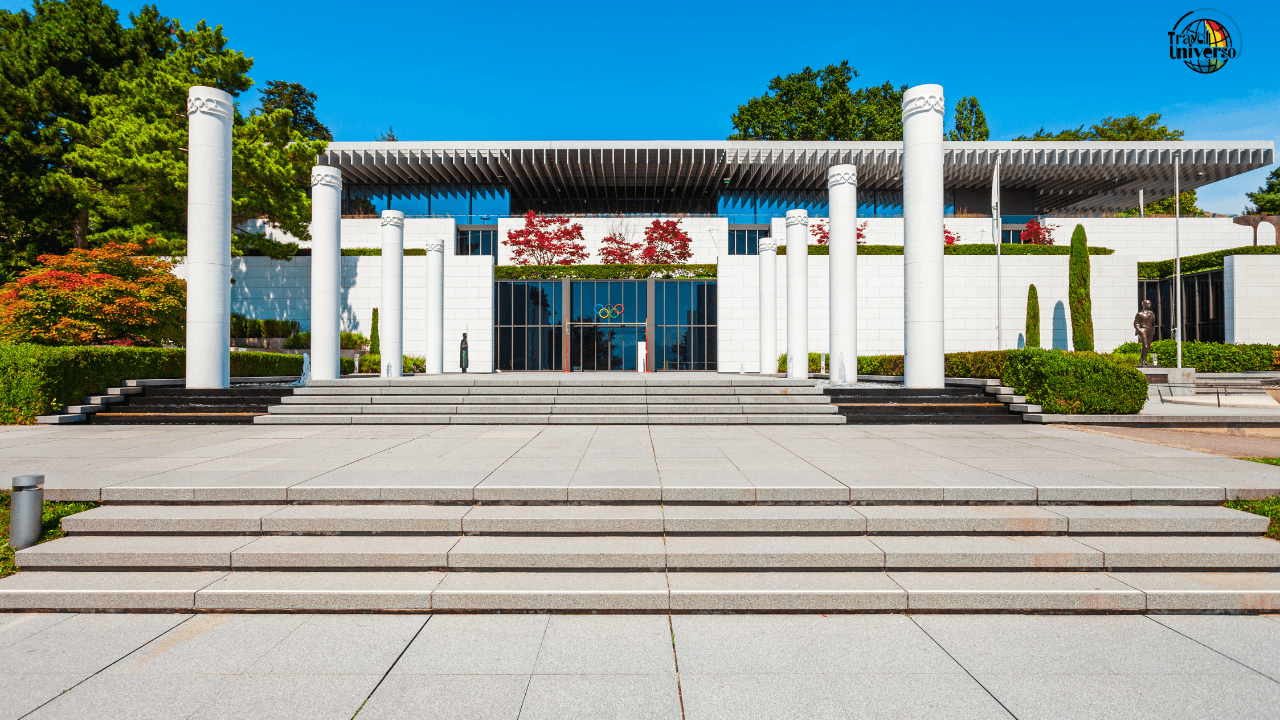
Olympic Museum in Lausanne
The museum's location on the slopes above Lake Geneva means the views alone are worth the visit. Plan to spend at least two hours here—the interactive displays are engaging, and you'll want time to explore the outdoor sculpture park. The museum café has a terrace with lake views that's perfect for a break.
Fitness tip: There are about 100 steps from the lakeside up to the museum. It's a good workout, but there's also an elevator if you need it.
Family-Friendly Adventures
Zoo Zürich
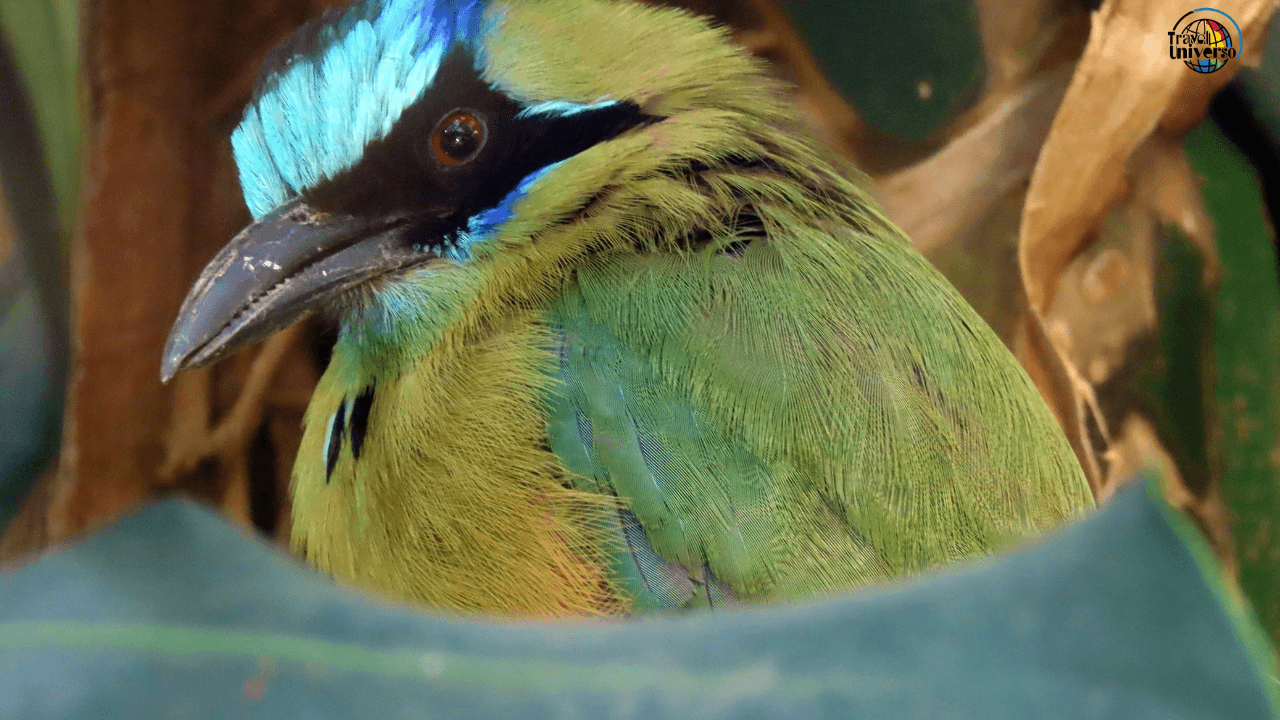
This isn't your typical zoo. The Masoala Rainforest hall is an incredible indoor tropical ecosystem where you can walk among free-flying birds and lemurs. Visit the penguin parade at 2:30 PM—it's adorable and kids absolutely love it.
Strategy tip: Start at the far end of the zoo (the Kaeng Krachan Elephant Park) and work your way back. Most visitors start at the entrance and peter out before reaching the best exhibits.
Flumserberg
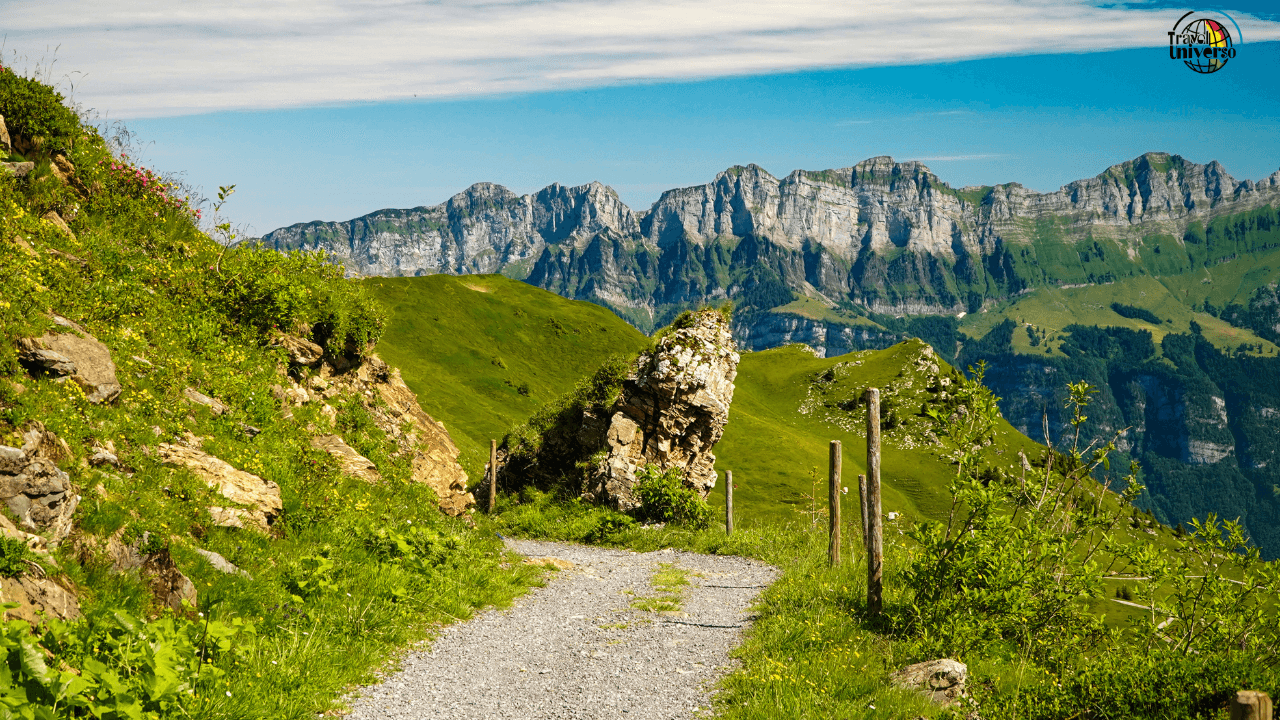
Summer visitors often overlook Flumserberg, but it's fantastic for hiking and mountain biking. The Floomzer alpine coaster is thrilling for both kids and adults—you control your own speed, so it's as wild or gentle as you want it to be. In winter, the ski area is perfect for families with its gentle slopes and excellent ski schools.
Money-saving tip: Many mountain destinations offer combination tickets that include cable cars and activities. These are almost always cheaper than buying everything separately.
Unique Experiences You Won't Find Everywhere
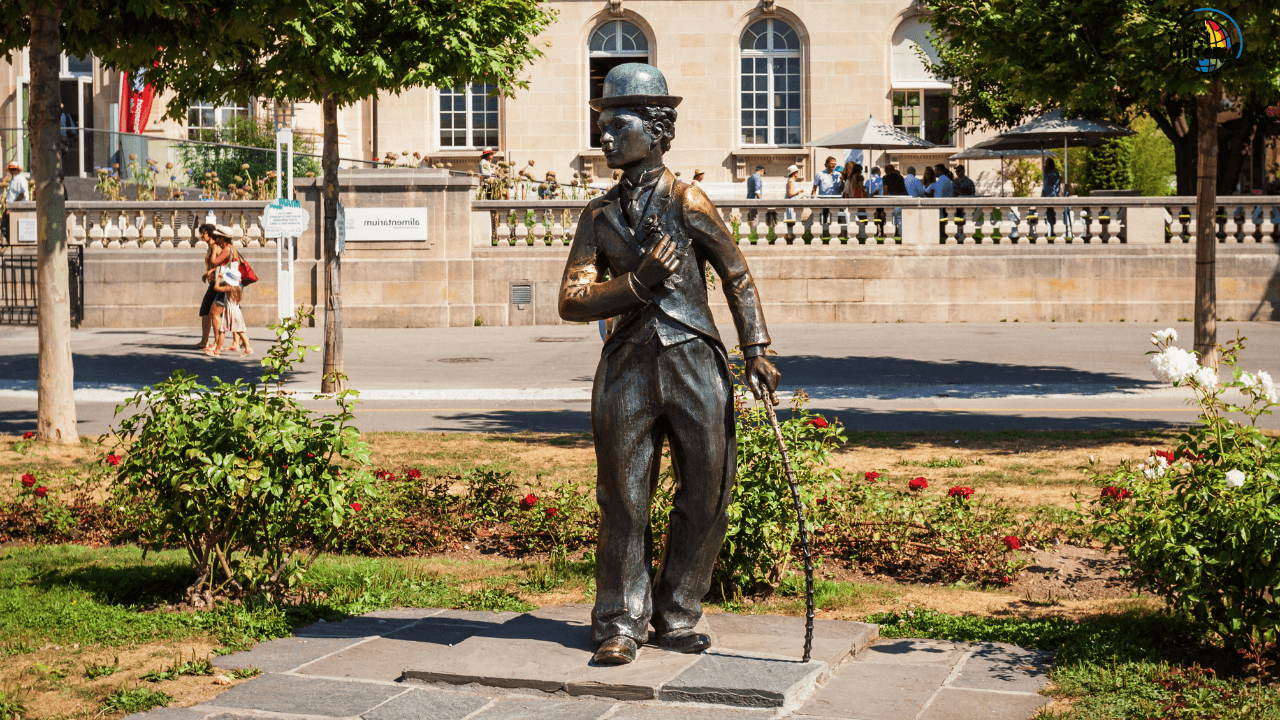
Chaplin's World
This is one of Switzerland's best-kept secrets. Charlie Chaplin spent the last 25 years of his life in Switzerland, and his family estate has been transformed into an immersive museum. It's entertaining, beautifully done, and offers a fascinating look at both Chaplin's life and the golden age of cinema. The museum recreates film sets where you can actually step into Chaplin's movie scenes—it's incredibly photogenic.
Getting there: The museum is in Corsier-sur-Vevey, easily accessible by train from Geneva or Lausanne. The walk from the train station to the museum takes about 20 minutes uphill, or you can catch a local bus.
Glacier 3000
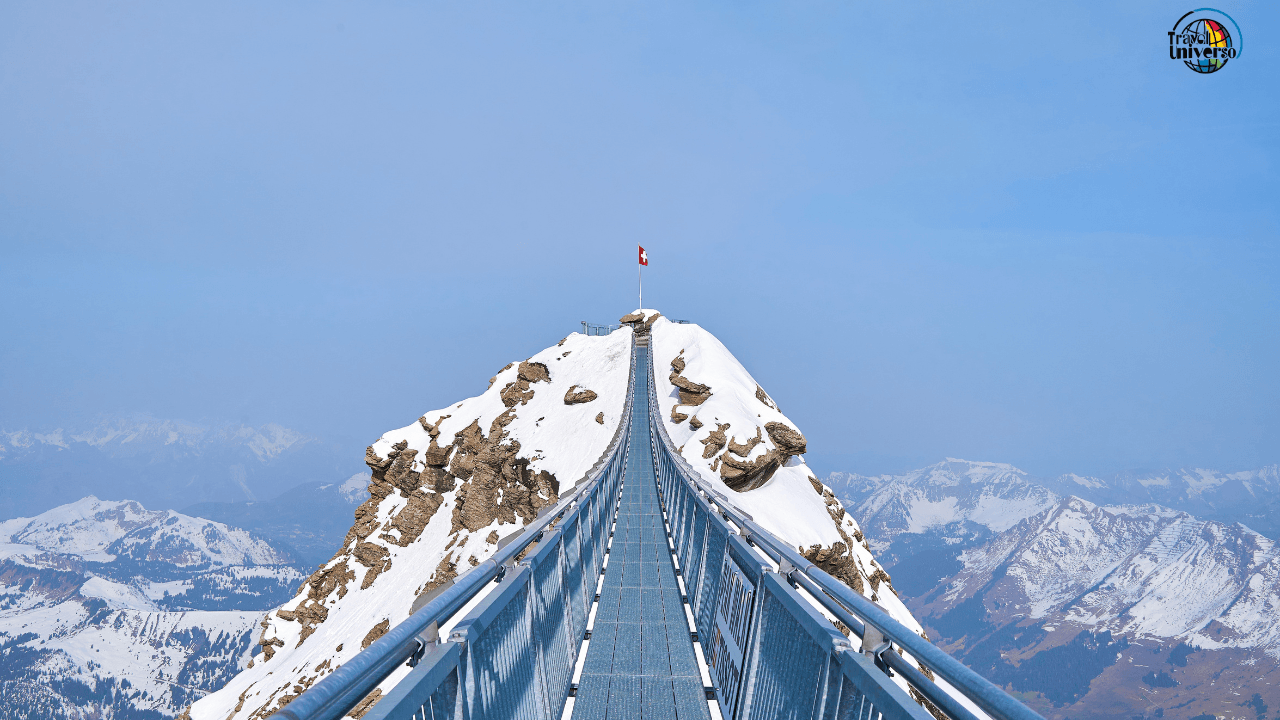
What makes Glacier 3000 special is the Peak Walk—the world's only suspension bridge connecting two mountain peaks. It's thrilling but safe, and the views are absolutely spectacular. The Alpine Coaster is another highlight—it's the highest in the world and incredibly fun.
Weather tip: Mountain weather changes quickly. Check the webcams on the Glacier 3000 website before you go. If it's cloudy at the summit, consider postponing your visit—the views are what make this place special.
Practical Tips for Getting Around
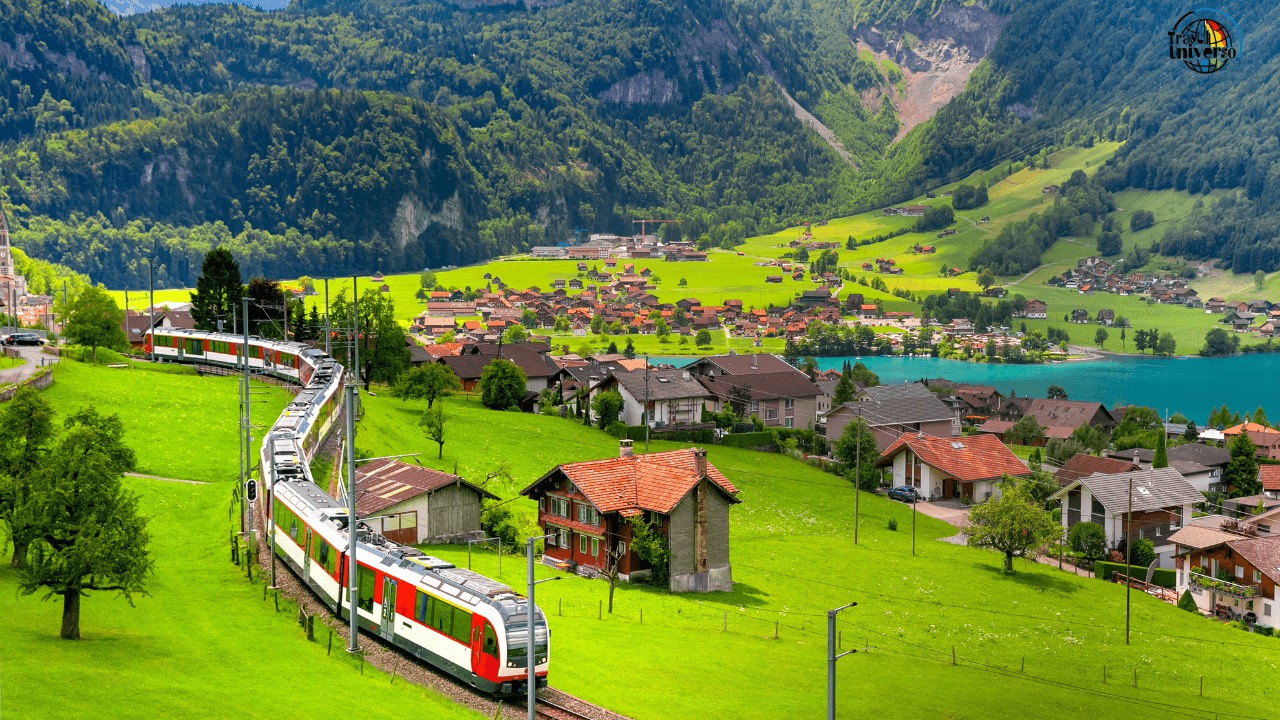
Swiss public transportation runs like clockwork. Trains, buses, and boats are synchronized, so connections work seamlessly. Download the SBB Mobile app—it's in English, shows real-time schedules, and you can buy tickets directly through it.
Here's something that surprised me: Swiss people are serious about punctuality. If a train is scheduled to leave at 10:42, it leaves at 10:42, not 10:43. Don't be late!
Where to Stay: Regional Recommendations
For exploring the museums and urban attractions, base yourself in Zürich or Basel. Both cities have excellent public transportation connections to the rest of the country.
For mountain adventures around the Matterhorn and Gornergrat, stay in Zermatt. Yes, it's touristy and expensive, but it's car-free, charming, and the views are unbeatable.
For exploring Lake Geneva attractions like Chillon Castle and the Olympic Museum, Lausanne or Montreux make excellent bases. Both are beautiful cities in their own right.
Budget tip: Swiss cities are expensive. Consider staying in smaller towns just outside major cities and commuting in. Your hotel costs will be significantly lower, and with the Swiss Travel Pass, transportation is free anyway.
Seasonal Considerations
Summer (June-August): This is peak season. Expect crowds at major attractions and book accommodations well in advance. The weather is generally excellent for mountain activities, though afternoon thunderstorms are common in the Alps.
Fall (September-October): My favorite time to visit. The weather is still pleasant, crowds thin out after mid-September, and the fall colors in the mountains are stunning. Many mountain attractions start closing in late October, so check schedules.
Winter (December-March): Perfect for skiing and winter sports. Cities are beautifully decorated for Christmas. However, some mountain passes and attractions close due to snow.
Spring (April-May): Wildflowers bloom in the mountains, and it's less crowded than summer. Some high-altitude attractions may still be closed in April.
Money-Saving Strategies
Switzerland is expensive—there's no getting around that. But here are ways to manage costs:
Pack snacks and drinks. A bottle of water at a mountain restaurant can cost 5-7 Francs. Grocery stores like Migros and Coop are everywhere and much more affordable.
Eat your main meal at lunch. Many restaurants offer lunch specials that are significantly cheaper than dinner prices for the same food.
Take advantage of free activities. Hiking is free and Switzerland has thousands of well-marked trails. Many cities offer free walking tours. Lake swimming in summer costs nothing.
Final Thoughts
Switzerland rewards slow travel. Don't try to see everything in a week—you'll exhaust yourself and miss the details that make each place special. Pick a region, explore it thoroughly, and save the rest for your next visit. Because trust me, once you visit Switzerland, you'll want to come back.
The destinations I've shared represent the best of what Switzerland offers: stunning natural beauty, world-class culture, fascinating history, and unique experiences you won't find anywhere else. Whether you're standing on a suspension bridge 3,000 meters up, exploring medieval castles, or watching the Matterhorn turn pink at sunset, Switzerland will leave you with memories that last a lifetime.
Get our travel tips, itineraries and guides by email
Sign up for my newsletter!
Name
Let us know what you think in the comments!
Newsletter
Subscribe to the newsletter and stay in the loop! By joining, you acknowledge that you'll receive our newsletter and can opt-out anytime hassle-free.
© 2026 Travel Universo. All rights reserved.