




China Is 9,600,000 Square Kilometers of “Wait, What?”
China is not a country. China is a continent masquerading as a nation, a living, breathing kaleidoscope of landscapes, languages, smells, flavors, and rules that shift every few hundred kilometers. From the icy mountains of Heilongjiang to the deserts of Xinjiang, from teeming metropolises to villages frozen in time, China is simultaneously orderly, chaotic, ancient, and futuristic. It will dazzle you, confuse you, frustrate you, and occasionally make you question whether you’re awake or in a dream.
You cannot “do” China. You can barely scratch it. Every train station, every market, every street corner has a story you didn’t know you were looking for. And if you think you understand one city, wait until the next province politely laughs at you.
Start Where the Crowds Are Quiet—or Loud
Most people think of Beijing or Shanghai. Sure, these are monumental, overwhelming, and Instagram-ready—but they are only the appetizers. For the real experience, wander somewhere less obvious: a tea village in Yunnan, a canyon in Guizhou, a river town along the Yangtze. You’ll find streets where bicycles outnumber cars, where noodles are stretched like elastic bands by masters who look like they’ve been practicing since the dawn of time, and where the smell of stinky tofu fights valiantly against incense and exhaust fumes.
In Xi’an, yes, see the Terracotta Army—but also wander the alleyways around the city wall. Street vendors will call you over. You will smell cumin, sesame, chili, and vinegar. Someone will offer you a lamb skewer for less than a dollar. It will be hot, it will be messy, and it will change your concept of meat forever.
Food That Breaks the Rules
Chinese cuisine is not just cuisine—it’s a declaration of existence. Every province has its own style, its own philosophy, its own set of ingredients you cannot pronounce and may not survive if you ignore. Sichuan will make you sweat. Hunan will make you cry. Guangdong will make you question why food can taste both sweet and savory at the same time. And in Beijing, Peking duck is ceremonial, ritualistic, almost sacred—but you’ll want to devour it before the first photo is taken.
Street food is a battlefield: skewers of mystery meat, pancakes stuffed with eggs and scallions, soup dumplings that explode when bitten. Markets sell things you didn’t know could be eaten, and locals will watch you approach like a live experiment. But somehow, everything works. Somehow, you survive. Somehow, your mouth sings in gratitude.
Cities That Never Agree
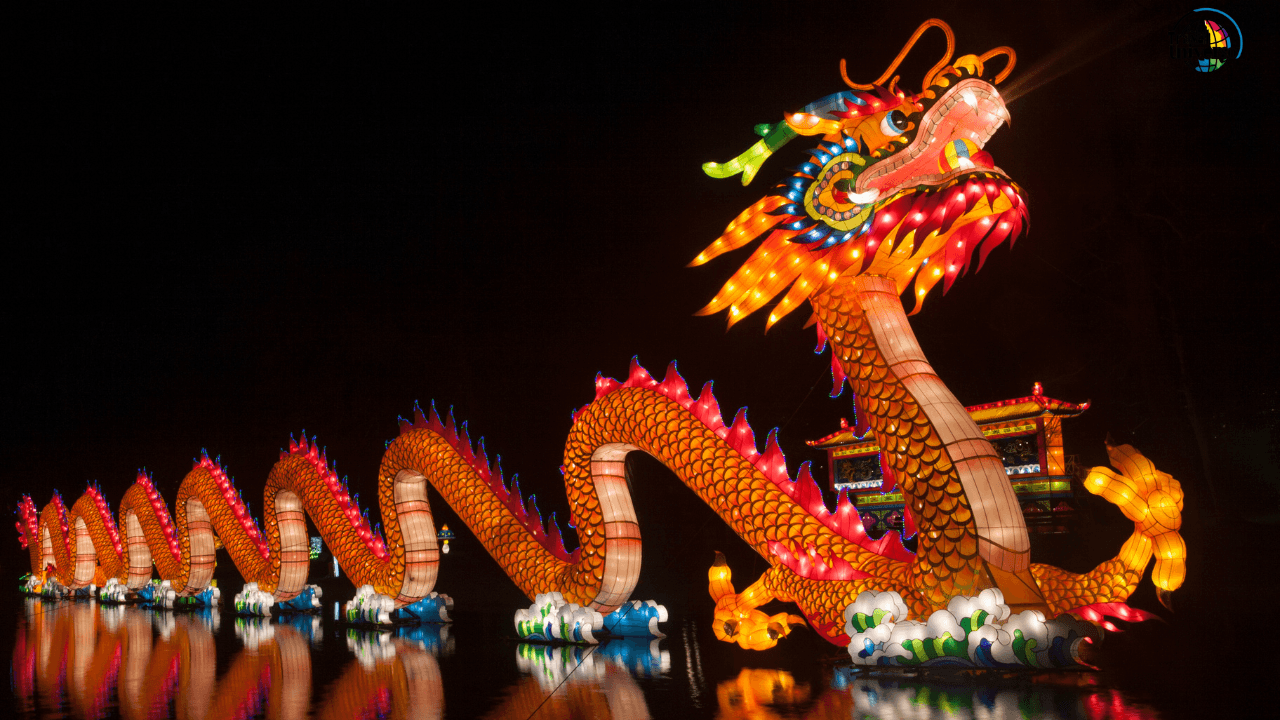
China’s cities are contradictory universes. Shanghai is sleek, glitzy, almost impossibly modern. Yet an old stone alley can hide a noodle shop that has been in the same family for five generations. Beijing is monumental, imposing, endlessly historical, yet locals live in the hutongs like time forgot them. Chongqing is vertical chaos, a city of hills, rivers, bridges, and staircases that make your legs plead for mercy.
Everywhere you go, there is order and disorder simultaneously. You will see street sweepers balancing immaculate sidewalks with markets spilling into alleys. You will see families eating breakfast at 6 AM and nightclubs pulsing at 3 AM. Life is relentless, rhythmic, loud, quiet, structured, absurd.
Nature That Throws Shade
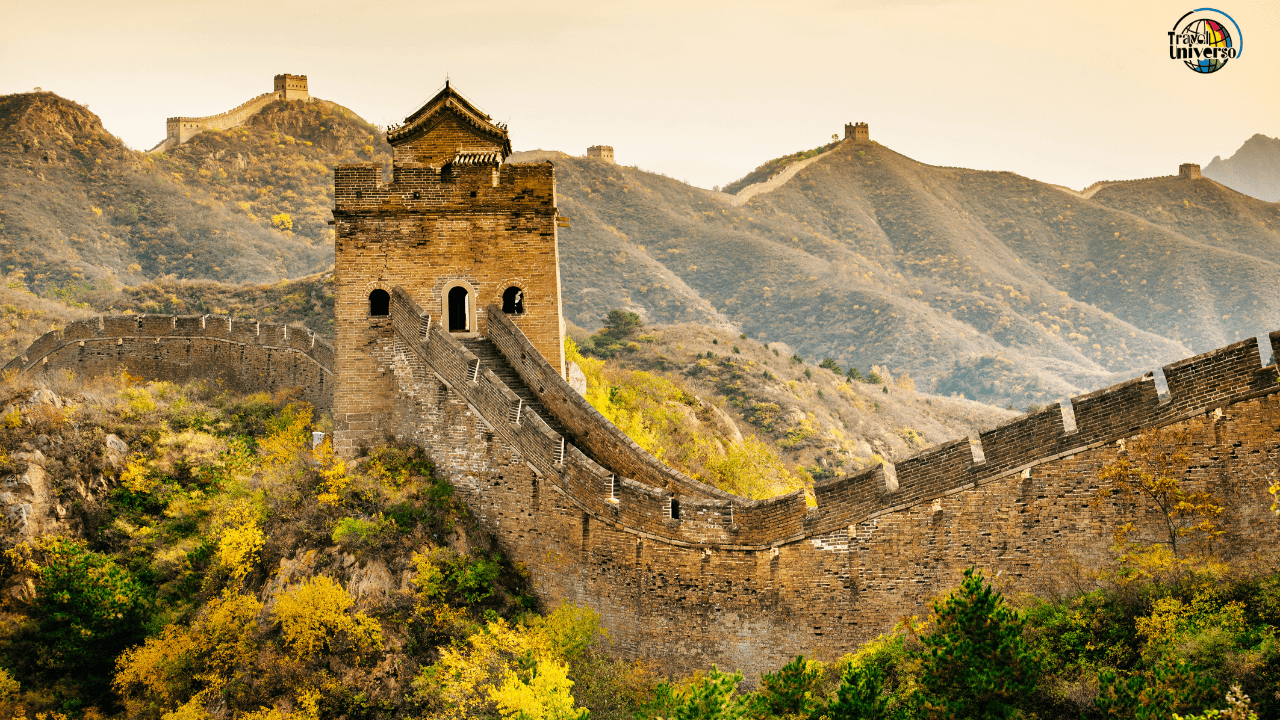
China’s geography will humble you. The Yellow Mountains rise like jagged poetry. The karst peaks of Guilin could have been imagined by a painter hopped up on tea and ambition. The deserts of Inner Mongolia are vast, quiet, and cruelly beautiful. And the rivers—Yangtze, Li, Mekong—meander like ancient stories, stubbornly refusing to fit your schedule.
If you climb a mountain or paddle a river, remember: China is vast. You cannot see it all. You can barely see yourself within it. And that’s the point. Respect. Humility. Awe.
Unexpected Joys
China is full of surprises. You might stumble upon a temple with cats that patrol it like security guards. You might discover a dumpling contest in a village square. Someone will offer you tea, even if they cannot speak English. A child will insist you try a candy that tastes like salt, plum, and sunshine all at once. And somehow, it works. Somehow, it is perfect.
Technology coexists with centuries-old traditions. QR codes for payments appear beside incense burners. Skyscrapers loom over rice paddies. Robots serve dumplings while monks chant nearby. Logic gives way to beauty, to absurdity, to curiosity.
The Small Lessons
China teaches without lectures:
Chaos can be organized.
Tradition can exist alongside futurism.
Spices can humble even the strongest stomachs.
Patience is mandatory—but humor is optional, yet highly recommended.
If you follow a local’s advice, you might find yourself eating something you cannot name, understanding someone without speaking their language, laughing at something absurd you wouldn’t have noticed otherwise.
Why You’ll Keep Coming Back
China will frustrate you. It will overwhelm you. It will make you sweat, it will make you curse, it will make your senses scream. But it will also astonish you, delight you, and teach you to notice details you never knew existed.
It is impossible, confusing, vibrant, loud, subtle, enormous, delicate, frustrating, magnificent. It does not care if you understand it. It does not need your approval. It only asks that you show up, be curious, and survive the street food.
China is a puzzle, a riddle, a force of nature disguised as a nation. You will never finish it, never fully understand it, and never stop being drawn to it. And once you’ve felt it, smelled it, eaten it, walked it, and laughed with it—you will want to come back. Because China is bigger than you. It is older than you. It is relentless. And it is unforgettable.
Get our travel tips, itineraries and guides by email
Sign up for my newsletter!
Name
Let us know what you think in the comments!
Newsletter
Subscribe to the newsletter and stay in the loop! By joining, you acknowledge that you'll receive our newsletter and can opt-out anytime hassle-free.
© 2026 Travel Universo. All rights reserved.