





Chasing Darkness: New Zealand's Hidden Night Sky Sanctuaries
Most tourists visit New Zealand for its mountains, fjords, and adventure activities. But there's another phenomenon drawing a different kind of traveler: darkness. Real, profound, unpolluted darkness of a quality that's vanished from most of the developed world. New Zealand doesn't just have dark skies—it has some of the last remaining places on Earth where you can experience night the way humans did for 99.9% of our existence, and it's become one of the country's most unexpected tourism drawcases.
The numbers tell a striking story. Over 80% of the world's population lives under light-polluted skies. In Europe and North America, that figure climbs above 99%. The Milky Way—that river of stars that inspired countless myths and guided ancient navigators—is invisible to one-third of humanity. But in New Zealand, particularly in certified Dark Sky Reserves and Sanctuaries, you can still see what your ancestors saw: a sky so saturated with stars that the darkness between them becomes more noticeable than the light itself.
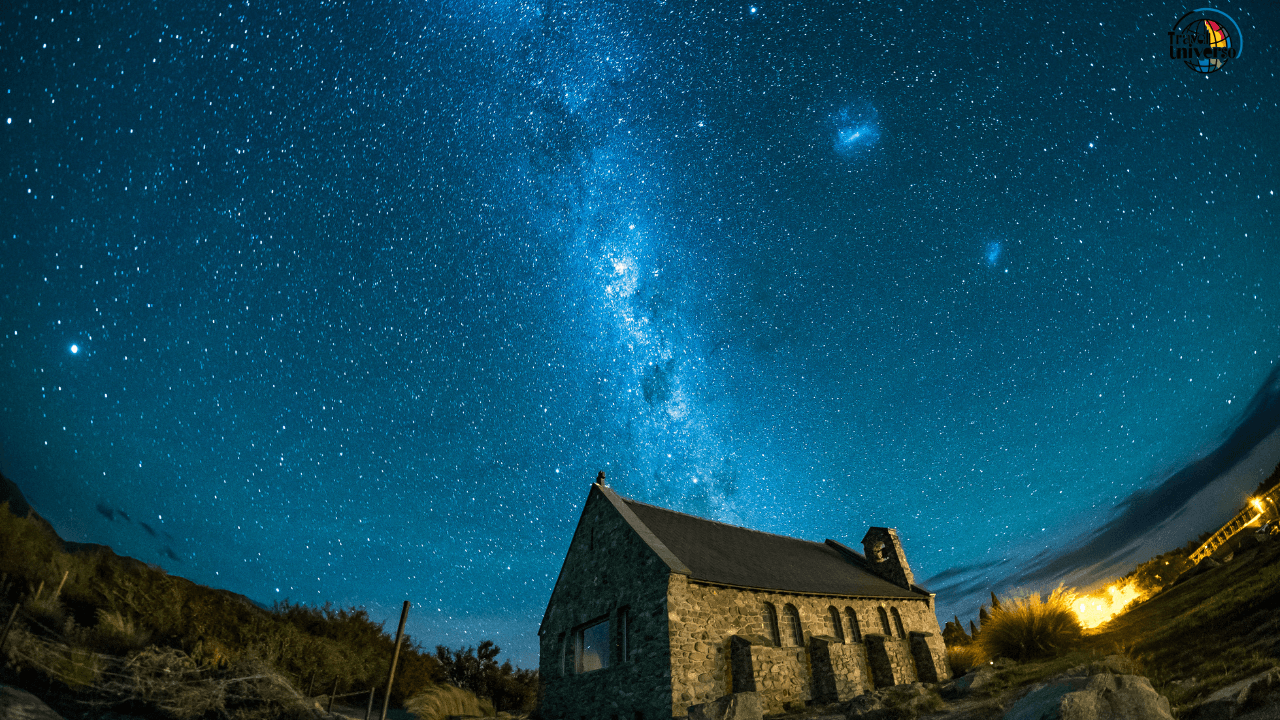
Understanding the Dark Sky Movement
New Zealand is home to the world's first Dark Sky Reserve (Aoraki Mackenzie) and has since added several more protected dark sky areas. These aren't just places with good stargazing—they're regions where communities have committed to restricting light pollution through specific regulations, specially designed lighting, and community education. The result is darkness maintained at a level that's increasingly rare globally.
What makes these locations special isn't just the absence of city lights. It's the combination of factors: low humidity, high altitude, minimal air pollution, and vast distances from major population centers. When you add New Zealand's location in the South Pacific, you get access to celestial objects simply not visible from the Northern Hemisphere, including the Magellanic Clouds, the Southern Cross, and the central bulge of the Milky Way in its full glory.
Where to Find New Zealand's Darkest Skies
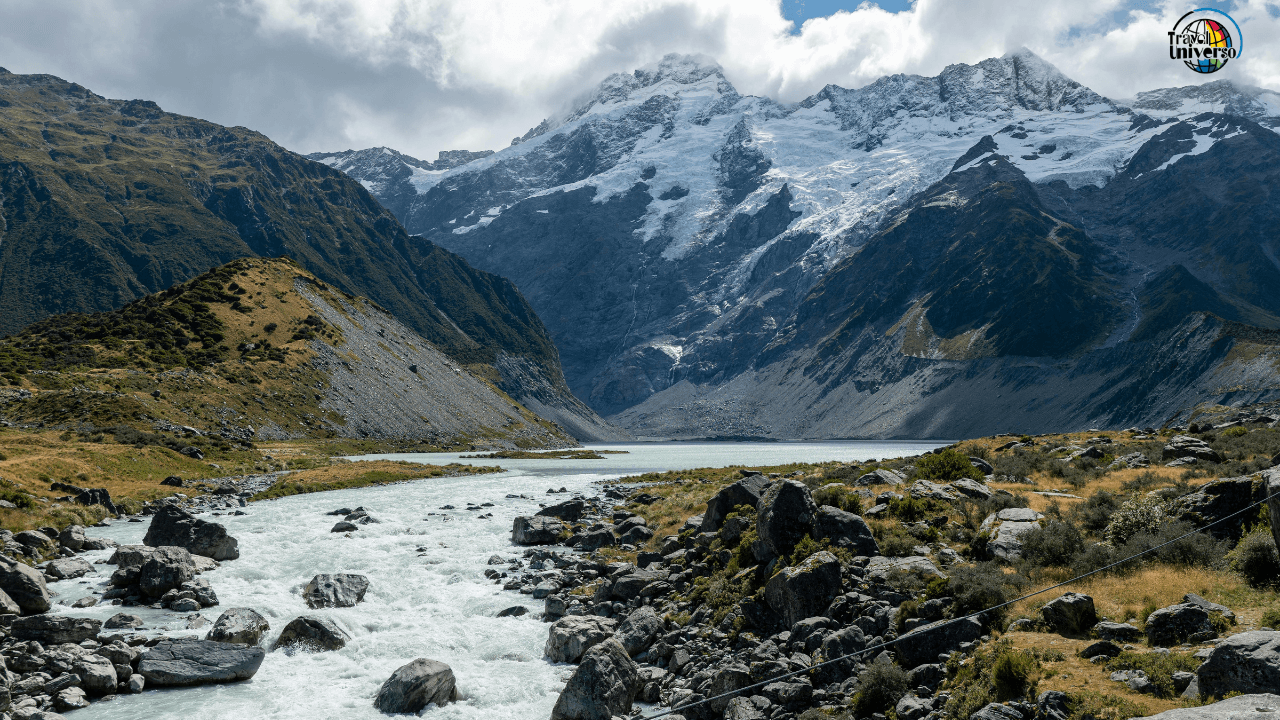
Aoraki Mackenzie Dark Sky Reserve, South Island
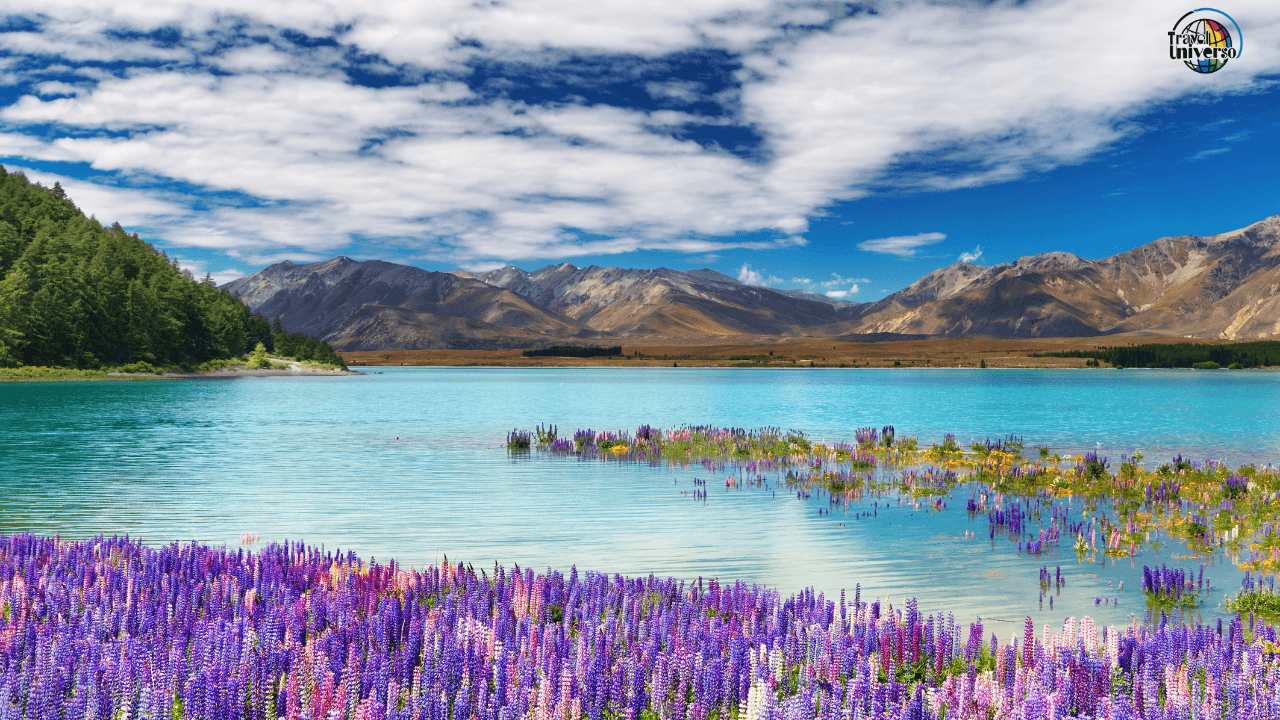
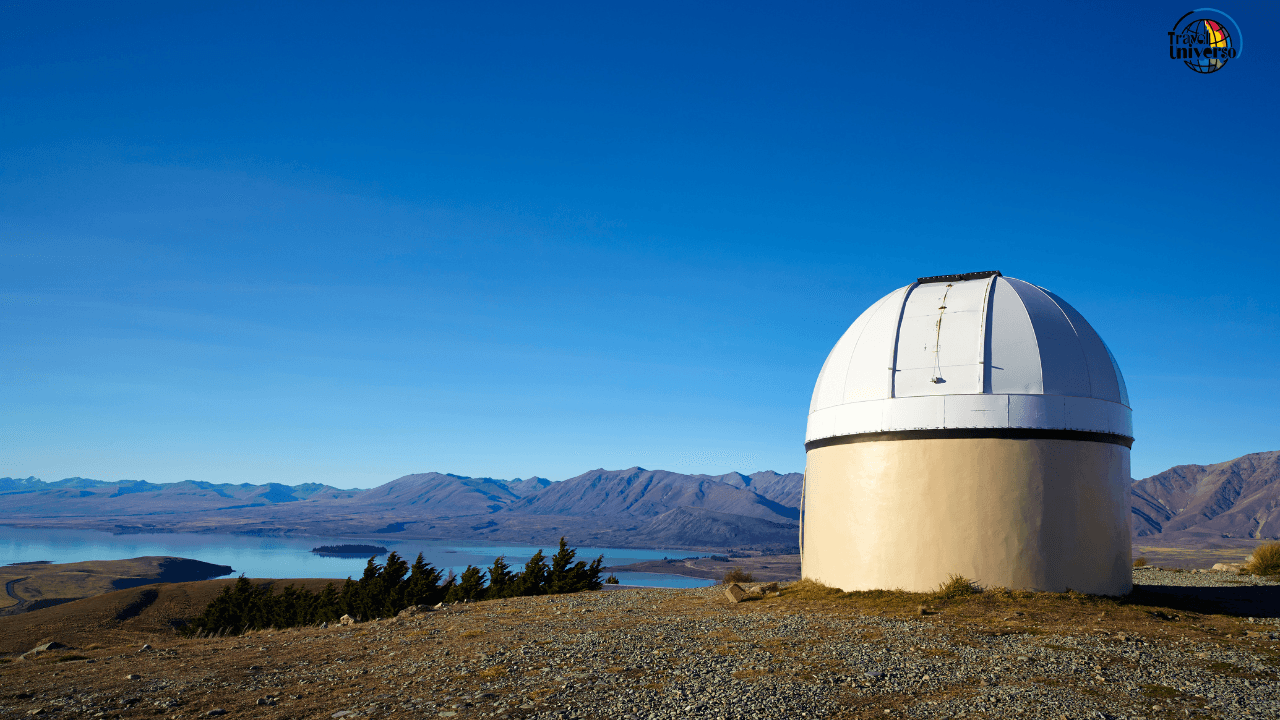
The gold standard of dark sky tourism, this 4,300-square-kilometer reserve surrounds Aoraki/Mount Cook and Lake Tekapo. The reserve maintains some of the darkest skies in the inhabited world, with Bortle class 2 readings in many areas (on a scale where 1 is pristine and 9 is inner-city sky). The village of Lake Tekapo serves as the main hub, with specialized accommodations, observatories, and tours designed around astronomical tourism.
Mt. John Observatory offers guided summit tours where professional astronomers operate research-grade telescopes for public viewing. These aren't your typical public observatory experiences—the equipment rivals what many universities use, and the guides are working scientists who share current research while you observe. Book months in advance during peak season (December-February), but shoulder seasons (March-May, September-November) often provide clearer skies with less tourist congestion.
The village itself demonstrates committed lighting design. Streetlights use fully shielded amber LED fixtures that point downward only, minimizing sky glow. Even car dealerships and gas stations comply with strict lighting ordinances. Walking through Tekapo at night feels subtly different—shadowy in ways most modern towns aren't, with the trade-off being a sky that takes your breath away.
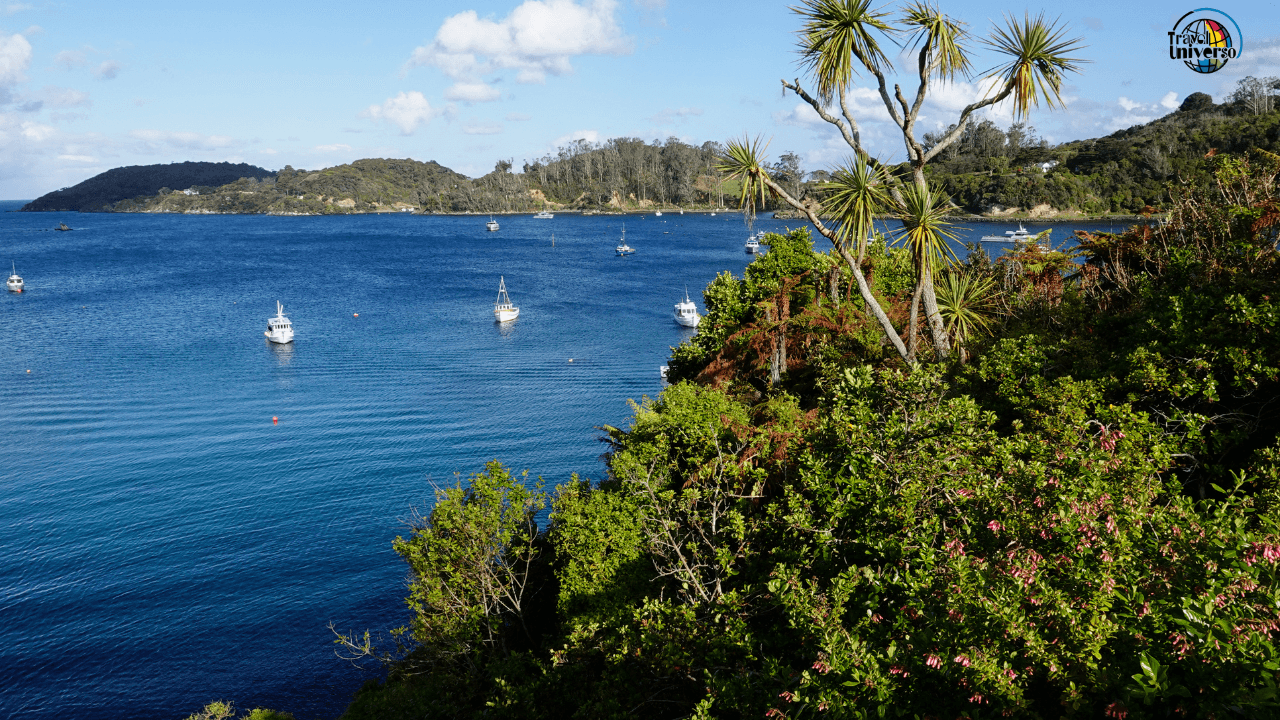
Stewart Island/Rakiura Dark Sky Sanctuary
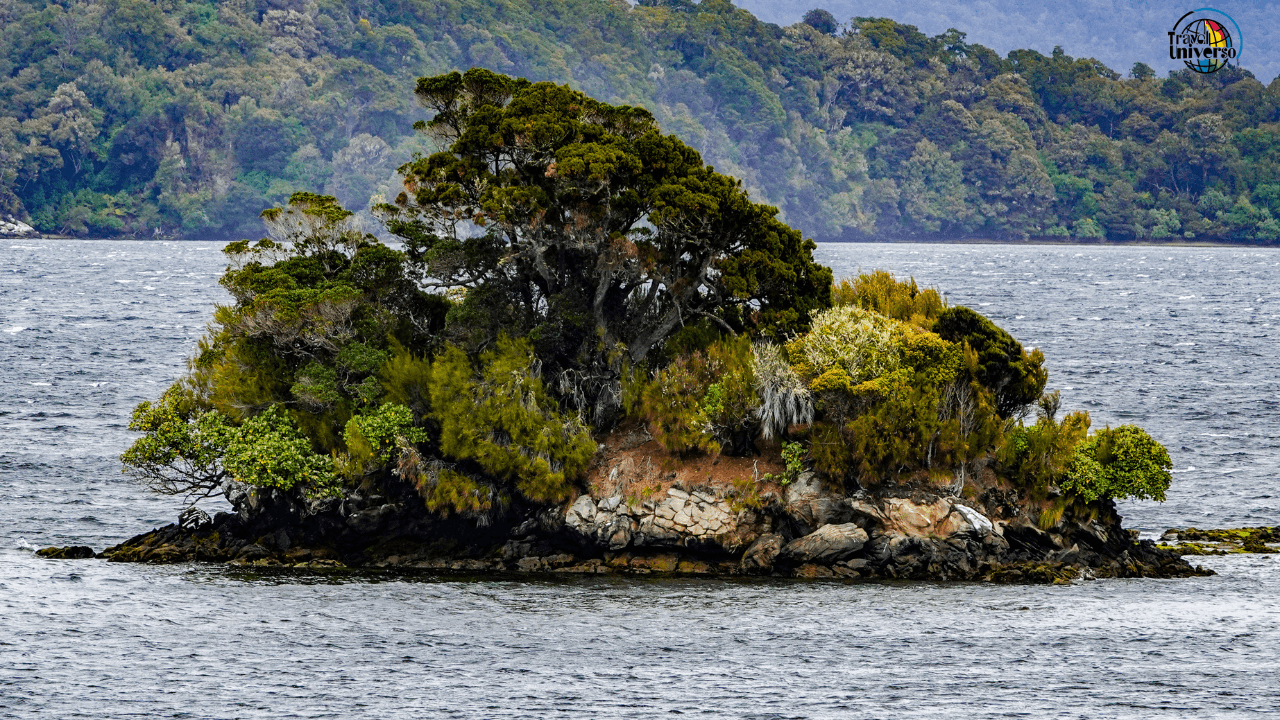
New Zealand's third-largest island is also one of its darkest. With only about 400 permanent residents and no significant industry, Stewart Island offers darkness on a scale that's rare even in New Zealand. The entire island holds Dark Sky Sanctuary status—the highest designation, reserved for the most pristine locations.
The island provides access to aurora australis viewing during active periods, something impossible from most of New Zealand. The southern lights appear as green and sometimes red curtains dancing along the southern horizon, visible roughly 100 nights per year during solar maximum periods. Local operators run "aurora chasing" tours that combine night hikes with sky viewing.
Accommodations on Stewart Island range from backpacker lodges to comfortable homestays. Ferry access from Bluff takes one hour, or you can fly from Invercargill in 20 minutes. The island's isolation means you'll need to plan carefully—supplies are limited and weather can disrupt transport. But that isolation is precisely what protects the darkness.
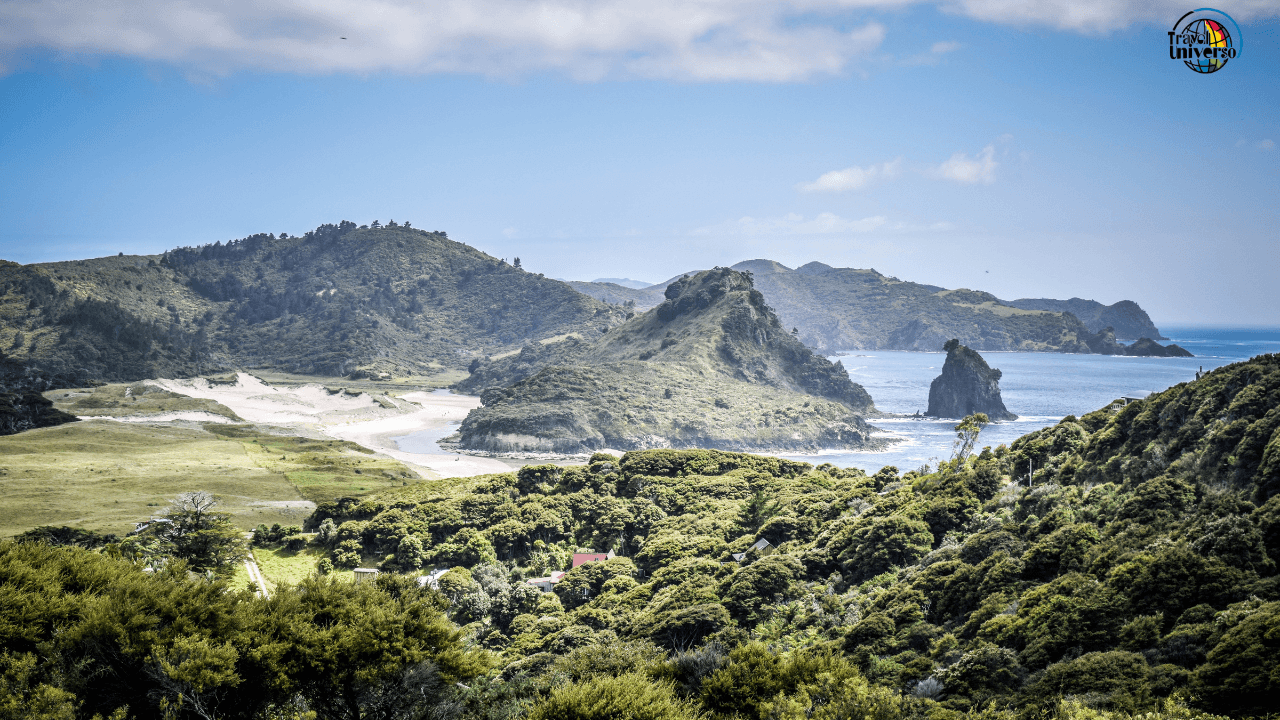
Great Barrier Island (Aotea), North Island
Great Barrier Island offers an accessible dark sky experience just 90 kilometers from Auckland—yet a world away in terms of light pollution. The island has no connection to the mainland power grid, running instead on local solar, wind, and diesel generation. This infrastructure limitation has inadvertently preserved dark skies that would be impossible so close to a major city anywhere else in the developed world.
The island received Dark Sky Sanctuary status in 2017, making it the world's first inhabited island with this designation. What's remarkable is experiencing truly dark skies while still having access to comfortable accommodations, restaurants, and amenities. You can have dinner at a proper restaurant, then walk five minutes to see the Milky Way stretched across the entire sky.
Access via ferry from Auckland takes 4.5 hours, or fly from Auckland in 30 minutes. The island attracts an interesting mix of stargazers, hikers, and beachgoers. Consider visiting during the new moon phase for maximum darkness, though even crescent moon phases still provide spectacular viewing.
Wairarapa Region, North Island
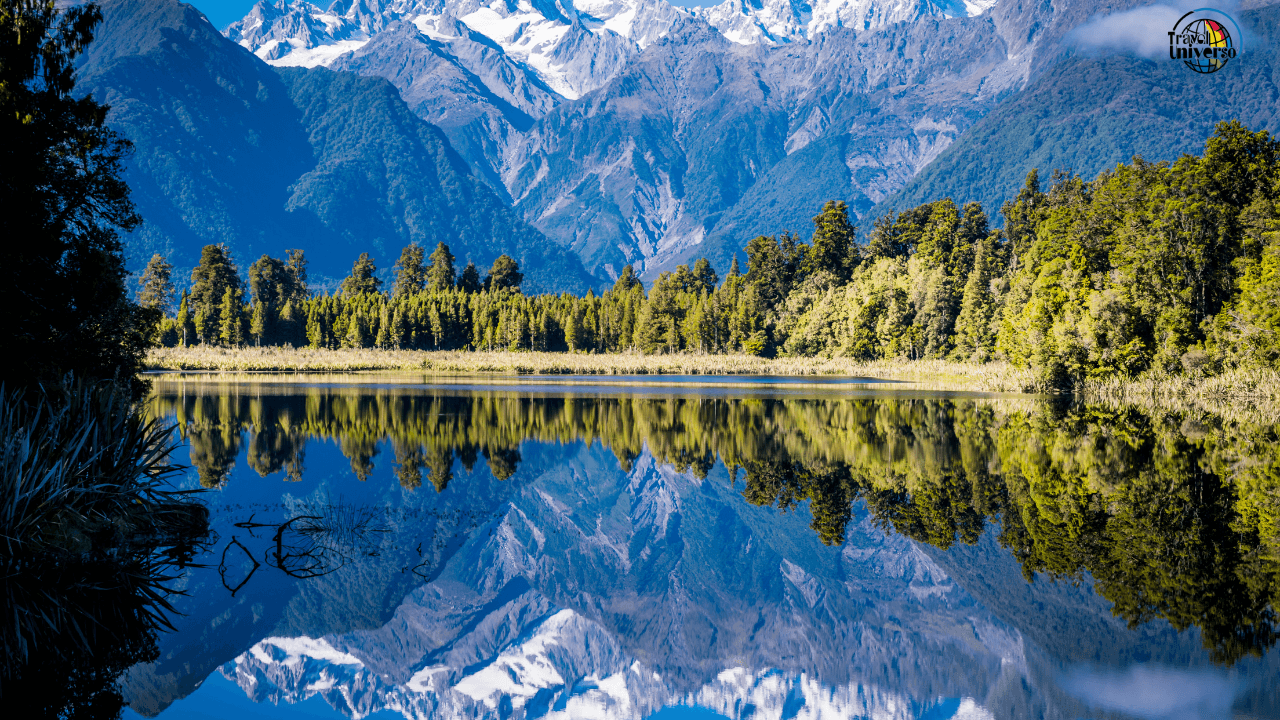
Less famous than the South Island reserves, the Wairarapa region east of Wellington offers surprisingly dark skies within two hours of the capital. The Wairarapa Dark Sky Reserve application is under development, but the skies are already spectacular. Castlepoint, Riversdale Beach, and the back roads around Martinborough provide darkness levels rare in the North Island.
This region works well for travelers with limited time who can't reach the South Island reserves. You can daytrip from Wellington, though overnight stays allow for proper dark adaptation and multiple viewing sessions. Local wineries have begun offering "astronomy and wine" packages—taste during the day, stargaze at night. It's a uniquely New Zealand combination.
Planning Your Dark Sky Adventure
Timing Your Visit
Moon phases matter enormously. The days around new moon provide the darkest skies, while full moon can overwhelm all but the brightest stars and planets. Many dedicated astrophotographers plan entire trips around new moon dates. Check lunar calendars when booking.
Winter (June-August) offers longer nights and generally clearer skies in many regions, but brings cold temperatures that require serious preparation. Summer provides comfortable temperatures but shorter dark periods and occasionally hazier conditions. Shoulder seasons often hit the sweet spot—clear skies, moderate temperatures, and fewer tourists.
Weather is always a factor. New Zealand's changeable conditions mean you should build flexibility into your plans. Consider booking 2-3 nights in any dark sky location to maximize chances of clear skies. Many experienced visitors book accommodation with flexible cancellation policies and remain ready to relocate if forecasts shift.
What to Bring
Warm layers are essential even in summer—standing still while stargazing in New Zealand's night air will chill you faster than you expect. Thermal underwear, insulated jacket, hat, and gloves make the experience far more comfortable. A thermos with hot chocolate or tea extends viewing sessions significantly.
Red flashlights or headlamps with red modes preserve night vision for yourself and others. White light destroys the dark adaptation your eyes build up over 20-30 minutes. Many astronomy tour operators provide red lights, but having your own ensures you can navigate safely without disrupting the experience.
Star charts or astronomy apps help identify what you're seeing. Apps like SkySafari, Stellarium, or Star Walk include red-light modes that won't ruin your night vision. However, consider limiting phone use—screens are distracting even in red mode, and part of the experience is simply being present under the stars.
Binoculars enhance the experience enormously. Even basic 7x50 or 10x50 binoculars reveal thousands of stars invisible to the naked eye, resolve the moons of Jupiter, and show detail in star clusters and nebulae. They're more portable than telescopes and more intuitive to use.
Photography Considerations
Astrophotography has exploded in popularity, and New Zealand's dark skies make it accessible even for beginners. Modern cameras handle night sky photography far better than previous generations. However, photography can dominate your experience if you're not careful—many visitors spend entire nights fiddling with camera settings and miss the simple wonder of looking up.
If you want to try astrophotography: bring a sturdy tripod, a camera with manual settings, and fast lenses (f/2.8 or wider if possible). Expect a learning curve—there's a reason dedicated astrophotographers spend years perfecting their craft. Consider joining a photography workshop rather than struggling alone. Several operators in Tekapo and on Great Barrier Island offer specialized astrophotography instruction.
Dark Sky Tours and Experiences
Earth & Sky, Lake Tekapo
The most established dark sky tour operator in New Zealand, Earth & Sky runs multiple nightly sessions at Mt. John Observatory. Their "Summit Experience" includes observatory access, telescope viewing, and expert interpretation. The "Cowan's Hill" tour serves as a more budget-friendly option with quality telescopes and knowledgeable guides. Tours run year-round and include warm-up breaks with hot chocolate.
Book at least 2-3 months ahead for summer dates. The company cancels tours if clouds obscure more than 50% of the sky, with full refunds or rebooking options. They also offer daytime options including solar viewing and specialized photography workshops.
Dark Sky Project, Lake Tekapo
A newer operation offering a different experience at Mt. John. Their facility includes heated viewing platforms, a planetarium-style indoor introduction, and access to multiple telescopes. The heated environment makes this ideal for families with children or anyone sensitive to cold. Tours include photography assistance if requested.
Rakiura Charters & Water Taxi, Stewart Island
Combines boat access to remote beaches with dark sky viewing and aurora hunting. The boat reduces hiking requirements while reaching exceptionally dark locations. Captain and astronomer Phillip Smith provides expert interpretation of both the marine environment during transit and celestial objects during viewing sessions.
Great Barrier Island Observatory
Community-run facility offering public viewing nights several times per week. The informal atmosphere and local astronomy club members create a friendly, educational environment. Suggested donation of NZ$10-20. The island's small scale means you might be viewing alongside resident farmers and artists who've chosen this lifestyle partly for the dark skies.
Beyond the Observatories
Some of the most powerful dark sky experiences happen independently. Consider these self-guided options:
Beach Stargazing
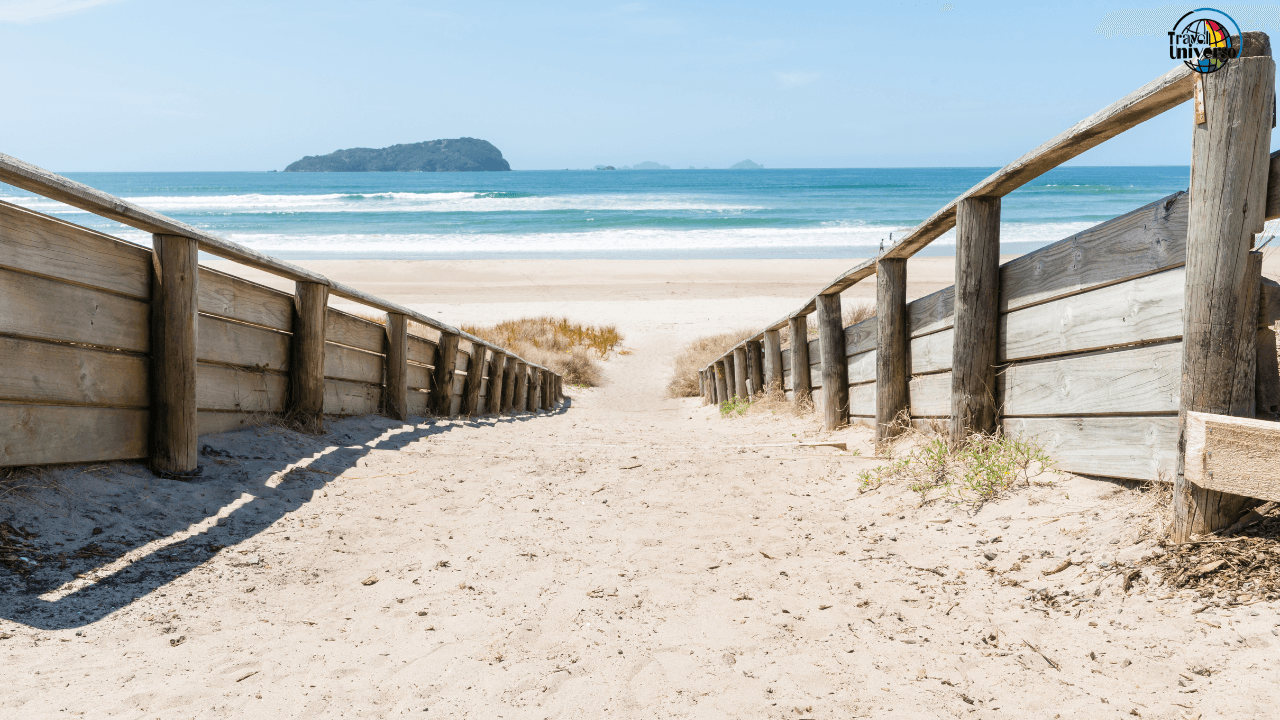
New Zealand's coastline offers countless beaches where you can lie in the sand under pristine skies. The sound of waves combines with stellar views to create deeply meditative experiences. Popular locations include Castlepoint, Punakaiki, and virtually any beach on Stewart Island or Great Barrier Island. Check tide times and weather, and let someone know your plans if heading to remote beaches at night.
Alpine Stargazing
Department of Conservation huts in remote mountains often provide accommodation under some of New Zealand's darkest skies. Huts like Angelus, Mueller, or any number of backcountry shelters combine tramping adventures with spectacular night skies. This approach requires hiking fitness, proper equipment, and careful planning, but rewards with darkness levels impossible near roads.
Hot Pool Stargazing
Several locations combine hot springs or pools with dark skies. Tekapo Springs offers pools with sky views in the reserve, while more remote options like Welcome Flat hut's natural hot pools in Westland provide wild experiences under pristine skies. The combination of warm water and cold air under brilliant stars creates unforgettable sensory experiences.
What You'll Actually See
First-time visitors to truly dark skies often struggle to articulate the experience. Words like "overwhelming" and "humbling" appear frequently. Here's what to expect:
The Milky Way appears as a thick band of light crossing the entire sky, so detailed you can see dark lanes where dust clouds block background stars. During New Zealand summer, the galactic core sits high overhead, appearing almost three-dimensional with structure and depth.
The Magellanic Clouds—two satellite galaxies of our Milky Way—appear as fuzzy patches in the southern sky. They're galaxies visible to the naked eye, hundreds of thousands of light-years away. The Large Magellanic Cloud is particularly prominent, easily mistaken for a cloud even in experienced observers' peripheral vision.
Satellites cross the sky regularly—you'll see several per hour as sunlight reflects off their solar panels. The International Space Station makes spectacular passes when visible, appearing as the brightest moving object in the sky. Apps like Heavens-Above help you plan ISS viewing.
Meteors surprise you regularly, even outside major meteor showers. On average, you'll see 5-10 per hour from dark sky locations during normal conditions. During major showers like the Geminids or Perseids, rates can exceed 60 per hour.
The Bigger Picture
Dark sky tourism in New Zealand represents something larger than just good stargazing. It's part of a global movement to preserve darkness as a natural resource worthy of protection, similar to clean air or water. Light pollution affects not just astronomy but wildlife migration, human circadian rhythms, and our connection to the cosmos that inspired every culture in human history.
New Zealand's commitment to protecting dark skies sets an example other countries are beginning to follow. When you visit these reserves, you're supporting communities that have made real economic sacrifices to maintain darkness—choosing not to develop, accepting dimmer streetlights, and foregoing the bright commercial signage that defines most modern towns.
Practical Planning Tips
Accommodation: Book early in all dark sky areas, especially near Lake Tekapo where demand far exceeds supply during peak seasons. Consider staying in nearby towns like Twizel or Fairlie if Tekapo is full—the skies are nearly as good, and you'll pay significantly less.
Transportation: Self-driving offers maximum flexibility for finding optimal viewing locations and adjusting to weather. However, driving unfamiliar roads in complete darkness requires caution. Some visitors prefer staying put and walking to nearby dark areas rather than night driving.
Weather Apps: MetService (New Zealand's official forecaster) provides reliable forecasts. For astronomy-specific forecasts, Clear Outside shows cloud cover predictions, transparency, and seeing conditions. Learn to read satellite imagery—clear skies 3-4 hours away might reach you, or might not.
Physical Preparation: Dark sky viewing involves standing or lying outdoors for extended periods. An insulated mat or reclining camp chair increases comfort dramatically. Some visitors bring sleeping bags even in summer to stay warm during long sessions.
Cultural Considerations: Many dark sky areas hold significance to Māori. Learn basic Māori names for prominent stars and constellations—Matariki (Pleiades), Te Kā o Rangi (Milky Way), and others. Some tour operators incorporate Māori star lore into their presentations, enriching the experience.
Making the Most of Your Visit
Allow your eyes time to dark-adapt fully—20-30 minutes minimum. The first few minutes under dark skies are impressive; what you see after half an hour is transformative. Resist checking phones or using white lights during this period.
Look up regularly throughout the night. Earth's rotation constantly changes what's visible—objects rise and set, the Milky Way's position shifts, and different constellations become prominent. The sky at midnight differs significantly from the sky at 2 AM.
Challenge yourself to stay outside longer than feels comfortable. Many people retreat indoors after 20-30 minutes. Those who remain for 1-2 hours report the experience shifting from "seeing stars" to something more profound—a genuine sense of place within the cosmos that's difficult to achieve in shorter sessions.
Finally, spend at least some time without telescopes, cameras, or apps.
Just lie back and look up. The ancient humans who named these constellations, navigated by these stars, and built monuments aligned to these celestial movements didn't have optical aids. They had what you have under New Zealand's dark skies: darkness, stars, and time to wonder. Sometimes, that's enough.
Get our travel tips, itineraries and guides by email
Sign up for my newsletter!
Name
Let us know what you think in the comments!
Newsletter
Subscribe to the newsletter and stay in the loop! By joining, you acknowledge that you'll receive our newsletter and can opt-out anytime hassle-free.
© 2026 Travel Universo. All rights reserved.