





Beyond the Blue Mosque: The Secret Lives of Istanbul's Neighborhoods
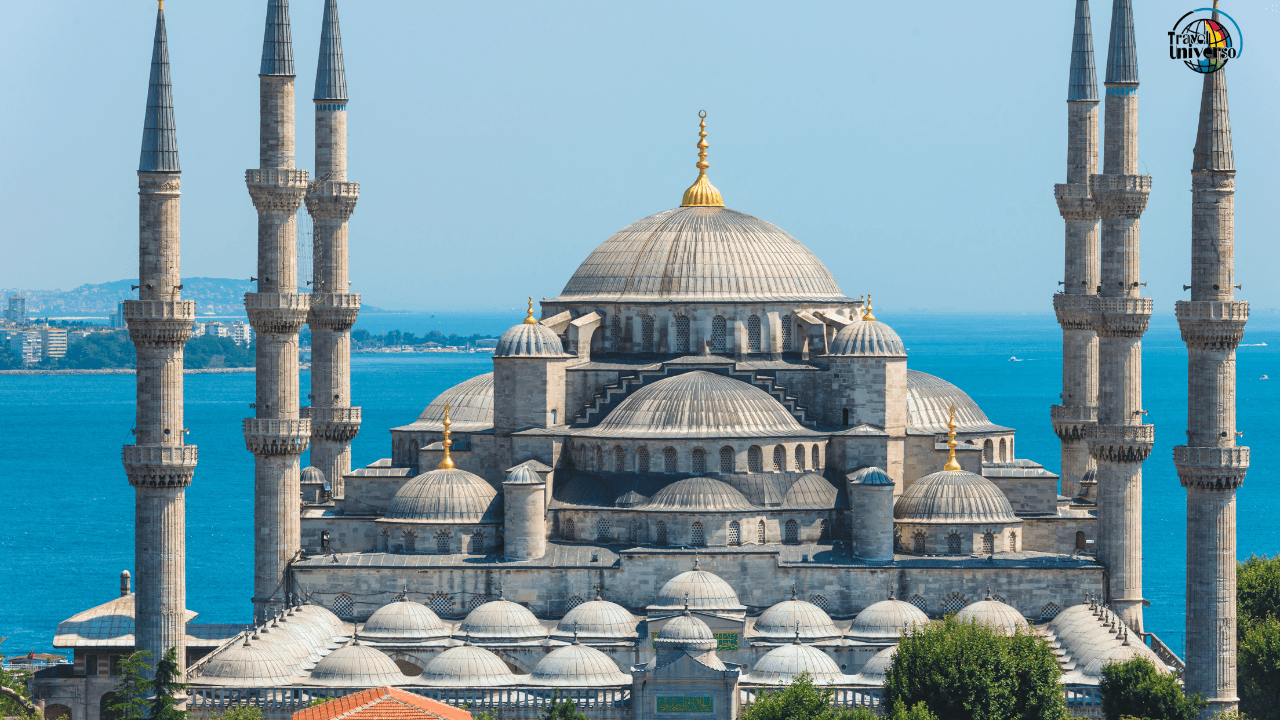
Most travel guides will tell you about Hagia Sophia, the Grand Bazaar, and Sultanahmet Square. But Istanbul—a city of 16 million souls straddling two continents—reveals its true magic in the rhythms of daily life that tourists rarely witness.
After spending months wandering this city's maze-like streets, I've learned that the best Istanbul exists in the margins: in the ferry rides locals take to work, in the neighborhood tea gardens where men play backgammon until midnight, in the side streets where the city's multiple identities—Byzantine, Ottoman, Republican, modern—collide in beautiful, chaotic harmony.
The Ferry Philosophy
Here's what guidebooks miss: Istanbul's ferries aren't just transportation—they're floating meditation chambers. While tourists rush between monuments, locals understand that the 20-minute crossing from Karaköy to Kadıköy is sacred time. Board any ferry at sunset, buy a simit (sesame bread ring) from the onboard vendor for 5 lira, and watch the city transform into silhouettes against an orange sky.
The trick? Take the "slow" ferries that make multiple stops. The Üsküdar-Eminönü route becomes a masterclass in observing Istanbul: fishermen casting lines off the boat's side, elderly women knitting, students cramming for exams, seagulls trailing the wake. This is when you realize Istanbul isn't a destination—it's a daily negotiation between past and present, Asia and Europe, chaos and grace.
Eat Where There Are No Tourists (Seriously, Zero)
Forget the restaurants in Sultanahmet. Instead, take the metro to Kurtulus, a neighborhood that doesn't appear in most guidebooks. Here, Armenian, Greek, and Turkish communities have lived side by side for generations. Find Hacı Abdullah (in operation since 1888) for Ottoman palace cuisine that locals actually eat—try the bamya (okra stew) or the incredible roasted eggplant dishes.
Better yet, head to Kadıköy's produce market on Tuesday mornings. The Kadıköy Salı Pazarı transforms entire streets into a sensory explosion: vendors hawking seasonal produce, cheese vendors offering samples, pickle stalls with 30 varieties of fermented vegetables. Grab börek from any cart—these flaky pastries filled with cheese or spinach are always better from street vendors than restaurants.
The unwritten rule: if you see tour groups, keep walking.

The Neighborhood Tea Garden Ritual
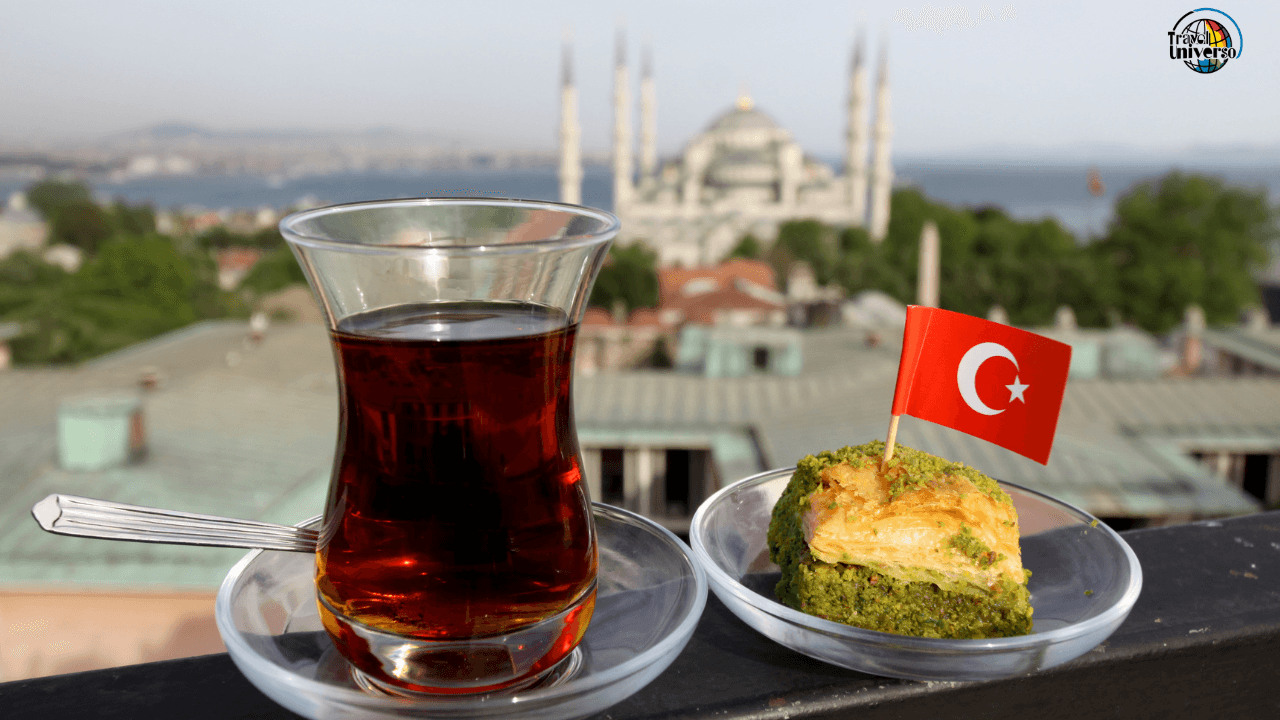
Every Istanbul neighborhood has its tea garden (çay bahçesi)—outdoor spaces where locals spend hours nursing tiny tulip-shaped glasses of black tea. These aren't tourist attractions; they're the city's living rooms.
In Balat, the historically Jewish quarter now filled with colorful houses and coffee shops, find the tea gardens overlooking the Golden Horn. In conservative Fatih, they're gathering places for men discussing politics and religion. In hip Cihangir, they're filled with artists and writers.
Order çay (2-3 lira), find a table, and stay as long as you want. Nobody will rush you. This is where you'll witness real Istanbul: the shopkeeper on his break, the unemployed man making his single tea last three hours, the university students debating philosophy, the elderly men playing endless games of tavla (backgammon).
Pro tip: In tea gardens, you pay when you leave, and you can keep ordering tea by leaving your empty glass on the edge of your table. Someone will come refill it within minutes.
Walk the Theodosian Walls at Dawn
The ancient city walls stretch for miles along Istanbul's western edge, mostly ignored by tourists rushing to mosques. But here's the secret: walk these walls from Yedikule to Ayvansaray at dawn, and you'll see a different city entirely.
You'll pass through neighborhoods where Roma families have lived for centuries, past urban gardens growing vegetables in the shadow of 1,600-year-old fortifications, through districts where Syrian refugees have opened restaurants serving authentic Aleppan cuisine. The walls themselves are crumbling and magnificent—cats sleeping in Byzantine arches, local kids using ancient towers as soccer goals, old men tending pigeons in cages attached to medieval battlements.
Start at Yedikule Fortress at 6 AM (when it opens), then walk north. Stop for breakfast at any corner bakery—order poğaça (savory pastries) and ayran (yogurt drink). By the time you reach Chora Church (with its stunning Byzantine mosaics), you'll have walked through two millennia and barely seen another tourist.
The Hamam Isn't What You Think
Yes, tourist hamams (Turkish baths) exist, charging €50+ for an "authentic experience." But neighborhood hamams—where locals go weekly for hygiene, socializing, and tradition—cost 100-200 lira and are entirely different experiences.
Head to Çemberlitaş Hamamı (built in 1584) early on a weekday. Unlike tourist hamams with massage packages and aromatherapy, this is functional bathing culture: locals scrubbing themselves on hot marble, shampooing their kids, chatting with neighbors they've known for decades. The attendants aren't performing Turkish bathing for tourists—they're providing a service people have used for centuries.
Bring your own toiletries or buy the basic bar soap sold at the entrance. Follow the regulars' lead. The experience is less spa-like relaxation and more communal ritual—which is precisely why it's more authentic than any "traditional Ottoman experience" marketed to tourists.
Master the Art of Doing Nothing, Turkish Style
Perhaps Istanbul's greatest lesson is this: the city rewards aimlessness. Unlike European capitals with their efficient tourism circuits, Istanbul reveals itself to those who wander without purpose.
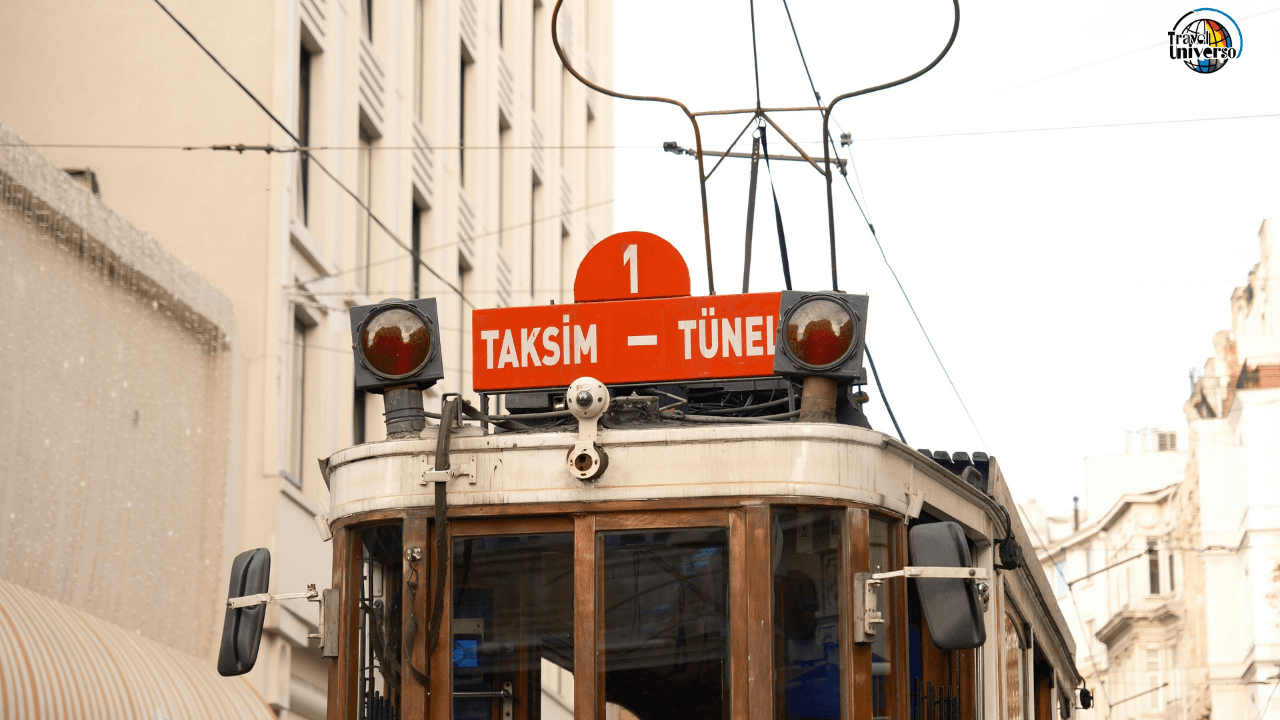
Spend an afternoon in Moda, a quiet neighborhood on the Asian side. Sit at a cafe along the waterfront promenade, watch locals exercising, strolling, flying kites. Take the nostalgic tram up İstiklal Avenue at midnight when the crowds thin and the street musicians come out. Get lost in the backstreets of Fener, where Greek Orthodox churches stand beside Ottoman mosques, and every corner reveals a different century.
The Turks have a concept called "keyif"—a state of relaxed contentment, often achieved through simple pleasures like good tea, good conversation, and good weather. You can't schedule keyif into a three-day itinerary. But if you slow down enough to take that unnecessary ferry ride, to sit in that tea garden for an extra hour, to wander down that interesting-looking side street, you might just find it.
And that's when you'll understand Istanbul not as a collection of monuments to photograph, but as a living, breathing city that's been perfecting the art of daily life for thousands of years.
Get our travel tips, itineraries and guides by email
Sign up for my newsletter!
Name
Let us know what you think in the comments!
Newsletter
Subscribe to the newsletter and stay in the loop! By joining, you acknowledge that you'll receive our newsletter and can opt-out anytime hassle-free.
© 2026 Travel Universo. All rights reserved.