





Between the Guidebook Lines: A Field Guide to the Brazil Tourists Never See
Most travel guides tell you where to go in Brazil. This one tells you how to experience it. Because Brazil isn't just a destination—it's a philosophy of living that reveals itself through patterns you'll notice once you know what to look for.
The Three Rhythms of Brazilian Time
Hora Brasileira (Brazilian Time)
You'll hear locals joke about "Brazilian time," but it's not rudeness or disorganization. It's a different relationship with the clock. Brazilians operate on three parallel time systems:
Relógio time is what's written on invitations. Social time is when people actually arrive (typically 30-60 minutes later). Flow time is when things naturally conclude, which might be hours after planned.
Tourist hack: For beaches, restaurants, and casual meetups, add 45 minutes to any stated time. For flights, professional appointments, and shows, arrive exactly on time. The context tells you which rhythm applies.
The Jeitinho Brasileiro
This untranslatable concept means "the Brazilian way" of solving problems creatively, finding workarounds, and making things happen despite obstacles.
You'll see it everywhere:
A restaurant owner helping you find accommodation when hotels are full
A bus driver taking a "scenic route" to avoid traffic
Strangers collaborating to help you find an address
How to use it: When something seems impossible, don't get frustrated. Explain your situation warmly to locals, and watch as they invoke the jeitinho to find solutions you never imagined existed.
The Geography of Personal Space
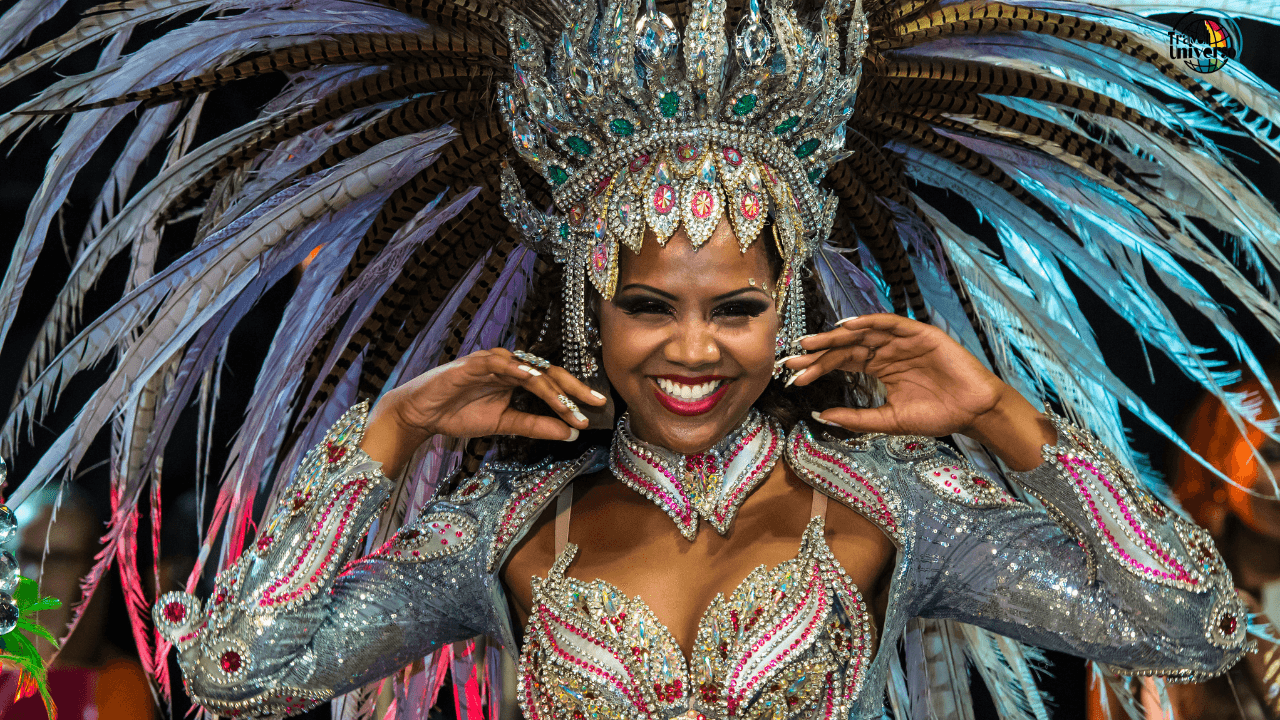
Brazilians exist in what anthropologists call a "contact culture." Personal space shrinks to nearly zero, and physical touch is the baseline of communication, not the exception.
What this looks like in practice:
Strangers will touch your arm while giving directions
Lines don't exist as rigid formations—they're more like clustered clouds
Conversations happen at distances that might feel uncomfortably close at first
Cheek kisses (one in São Paulo, two in Rio, three in Minas Gerais) are standard greetings, even in professional contexts
The adjustment: Instead of pulling back, lean in. This physical closeness is how trust is built and how you'll experience genuine Brazilian warmth. The invisible walls that exist in many cultures simply aren't part of the architecture here.
The Unwritten Menu
Brazilian food culture has a secret layer that tourists rarely access. Beyond the famous dishes, there's an entire parallel menu of timing, combinations, and rituals.
The Breakfast Multiplication Effect
A simple breakfast of pão francês (French bread), butter, and coffee is the foundation. But watch how Brazilians transform it:
Slice the bread, toast it slightly
Add a thin layer of requeijão (Brazilian cream cheese)
Pair with fresh papaya or mango
Dunk the bread in the coffee (yes, really)
The Juice Revelation
Brazilian juice bars (sucos) have dozens of fruits you've never heard of. Skip the familiar and try:
Caju (cashew fruit)—tastes like a flower smells
Cupuaçu—chocolate's tropical cousin
Açaí (but the authentic version: thick, unsweetened, topped with granola and banana)
The secret: Ask for "vitaminas" (smoothies with milk or water) with unusual combinations. "Abacate com leite" (avocado with milk and sugar) sounds wrong but tastes like ice cream.
The Rodízio Strategy
At Brazilian barbecue (churrascaria) rodízios, tourists make the same mistake: loading up on the salad bar. Don't.
The proper approach: Small salad as palate cleanser. Start with chicken hearts (coração) and sausage (linguiça) to warm up. The premium cuts (picanha, costela, fraldinha) come out throughout the meal. Use the red/green card system strategically—flip to red between rounds to pace yourself. The best cuts often arrive later when the restaurant is less crowded.

The Architecture of Conversation
Brazilian Portuguese is just one layer of communication. The real conversation happens in the spaces between words.
The Question That Isn't a Question
"Tudo bem?" (Everything good?) is Brazil's most common phrase. The correct response is always "Tudo bem" back, regardless of how you actually feel. It's not a real question—it's a social handshake.
Real questions come later, after rapport is built.
The Diminutive of Affection
Brazilians add "inho/inha" to almost everything, making it small and cute. It's not childish—it's warmth.
Cafezinho (little coffee—what you'll be offered everywhere)
Beijinho (little kiss—both a greeting and a coconut sweet)
Minutinho (little minute—means "I'll be there soon-ish")
Try using it: Adding this suffix to almost any word makes you sound more Brazilian and less like a tourist immediately.

The Hidden Festivals
Everyone knows about Carnival, but Brazil runs on a calendar of lesser-known celebrations that reveal more about local culture.
Festas Juninas (June Festivals)
Every town transforms into a rural fantasy throughout June, celebrating saints' days with:
Quadrilha dancing (folk square dancing)
Foods made from corn and peanuts
Bonfires and fireworks
Everyone dressed as stereotypical country folk (caipira), regardless of whether they're from cities
Why it matters: This is when Brazilians celebrate their agricultural roots and interior heritage, even in massive cities. It's nostalgia made communal.
Reveillon (New Year's)
While not hidden, the way Brazilians celebrate New Year's reveals core beliefs:
Wearing white for peace and new beginnings
Jumping seven waves at midnight (one wish per wave)
Eating lentils for prosperity
Flowers thrown into the ocean for Iemanjá (goddess of the sea)
The Beach Ecosystem
Brazilian beaches operate on unwritten rules that create a complex social system.
The Vendor Network
Beach vendors (ambulantes) aren't just sellers—they're your beach concierge service:
They'll watch your belongings
Remember your order from yesterday
Alert you when you're getting too sunburned
Bring food and drinks directly to your spot
The etiquette: Buy from the same vendors throughout your stay. They'll give you better service, better prices, and insider information.
The Canga Economy
The sarong-like beach wraps (cangas) are multitool survival gear:
Lay on it (don't lie directly on sand)
Wear it as clothing
Use it as a bag
Create shade
Change clothes underneath it
Locals can change from swimwear to street clothes under a canga with ninja-level discretion.
The Mate Dance
Vendors walk the beach selling mate (cold herbal tea) in thermoses, calling out "Olha o maté!" in a specific rhythm. Learning to recognize their call and hand signals is your initiation into beach culture.
The Informal Economy of Favors
Brazil runs partially on an unofficial economy of trades, favors, and relationships that never involve money directly.
How It Works
If someone helps you, the payment isn't cash—it's:
Buying them a drink or cafezinho
Returning the favor later in an unrelated way
Introducing them to someone who might help with their need
Bringing a small gift from your country
Why this matters: Offering money for small personal favors can sometimes offend. The social debt is more valuable than cash because it builds relationships.
The Regional Identity Matrix
Brazil isn't one culture but dozens that happen to share a flag. Understanding regional pride helps you connect deeper.
The Paulistano vs. Carioca Dynamic
São Paulo and Rio have a sibling rivalry that's almost performative:
Paulistanos (from São Paulo) see themselves as hardworking and sophisticated
Cariocas (from Rio) see themselves as laid-back and cultured
Both are partly right and partly playing roles
The Southern Difference
States like Rio Grande do Sul and Santa Catarina have their own culture:
Chimarrão (hot mate tea) is sacred
Churrasco was invented here
European heritage (German, Italian) is more visible
Weather actually has seasons
Locals (gaúchos) have their own dress, music (gaucho folklore), and dialect
The Amazon Reality
The North isn't jungle with a few people—it's cities surrounded by nature:
Modern urban centers (Manaus has an opera house)
River culture where boats replace buses
Cuisine based on fish, manioc, and Amazonian fruits
Indigenous influence in daily life, not just tourism
The Transportation Mindset
Moving through Brazil requires understanding that the journey is part of the destination, not an obstacle to it.
Bus Culture
Long-distance buses are Brazil's intercity bloodstream:
"Executivo" and "Leito" classes rival airplane comfort
Bus stations (rodoviárias) are social hubs with full restaurants and shops
Overnight buses save hotel costs and maximize daylight at destinations
Bus travel is how Brazilians actually connect their country
The strategy: Book overnight routes for long distances. The leito (bed) buses have reclining seats that go nearly flat.
The Uber Revolution
Uber transformed Brazilian travel. In most cities, it's:
Safer than taxis for tourists (everything is tracked)
Vastly cheaper than taxis
Drivers often give better city advice than guidebooks
Sometimes the driver speaks some English
The Walking Paradox
Brazilian cities weren't built for walking, but Brazilians walk everywhere anyway:
Sidewalks might disappear randomly
Crosswalks are suggestions
Eye contact with drivers is how you claim right of way
Walk with confidence and locals will flow around you
The Superstitions You'll Notice
Brazilians practice casual magic—small rituals woven into daily life.
The Simpatias
These are folk remedies/spells for everything:
Never let a purse touch the ground (repels money)
Wear new clothes inside-out first (makes them last longer)
Throw rice at weddings (prosperity)
Don't sweep feet with a broom (prevents marriage)
The Spiritual Layering
Brazil blends Catholicism, African religions (Candomblé, Umbanda), and indigenous beliefs into a syncretic spirituality:
White clothes on Fridays honor Oxalá
Offerings at crossroads and beaches
Wearing colorful bracelets from specific churches for protection
New Year's rituals mixing religious traditions
What this means for you: Don't be surprised to see sophisticated urbanites participating in rituals. It's not contradiction—it's Brazilian religious fluidity.
The Communication Shortcuts
The Essential Gestures
Brazilians speak with their whole body. Key non-verbal communication:
Thumb and forefinger together forming a circle: "OK" or "perfect"
Flicking fingertips under the chin: "I don't know" or "I don't care"
Tugging your earlobe: "expensive" or "watch out, trouble"
Hand brushing away from the body: "it's gone" or "forget about it"
Fist with thumb between index and middle finger: good luck charm (muito lucky)
WhatsApp Is King
Forget getting business cards. Everyone uses WhatsApp for:
Restaurant reservations
Tour bookings
Staying in touch with new friends
Getting better deals (many small businesses offer WhatsApp discounts)
The Practical Magic of Brazilian Solutions
The Shower Situation
Most Brazilian showers have electric heating heads (chuveirinhos). They look dangerous but are perfectly safe:
"Winter" setting: hot water
"Summer" setting: warm water
Off: cold water
Never touch the showerhead while water is running
The Bathroom Reality
Public restrooms often have attendants (give R$1-2)
Toilet paper goes in the trash, not the toilet (old plumbing systems)
Bidets or bidet sprayers are common in homes
Hand soap is usually liquid in dispensers
The Power Adapter Puzzle
Brazil uses multiple plug types (often in the same building). Bring a universal adapter with USB ports.
The Safety Framework
Safety concerns are real but often misunderstood. Here's the functional approach:
The Common Sense Layer
Don't wear flashy jewelry or expensive watches
Keep phones in pockets, not hands, when not actively using them
Be aware of your surroundings, especially at night
Use ATMs inside banks or shopping centers
Take registered taxis or Uber, not street taxis at night
The Neighborhood Knowledge
Every city has safe areas and areas requiring caution. Ask locals at your hotel/hostel:
Which neighborhoods to explore
Where to walk vs. where to taxi
What time areas transition from safe to risky
The Abundance Principle
With 215 million people, crimes happen, but most visits are completely safe. Millions of tourists visit annually without incident. Awareness, not paranoia, is the goal.
The Economic Hacks
The Real Strategy
Exchange money at official exchange houses (casas de câmbio), not airports
Credit cards often have better rates than cash exchange
Many places accept dollars but give terrible rates
Small bills (R$10, R$20) are gold—larger bills are hard to break
The Price Framework
Haggling isn't common in stores but expected at street markets
Everything from tour companies is negotiable
Ask "tem desconto?" (is there a discount?) everywhere—worst they say is no
Paying cash often gets 10% off vs. card
The Connection Method
The real Brazil reveals itself through relationships, not attractions. Here's how tourists become temporary locals:
The Language Bridge
Even basic Portuguese attempts open doors:
"Com licença" (excuse me)—magical phrase for everything
"Pode me ajudar?" (can you help me?)—Brazilians love helping
"Muito obrigado/obrigada" (thank you very much)—say it often
Learn to understand numbers—makes markets and taxis easier
The Food Entry Point
Eating where locals eat is the fastest friendship path:
"Prato feito" or "PF" restaurants (local daily specials)
Lanchonetes (snack bars/diners)
Mercadões (municipal markets)
Padarias (bakeries that serve meals)
Ask "O que você recomenda?" (What do you recommend?)
The Music Unlock
Brazil's soul is its music. Understanding genres helps you connect:
Samba: Rio's heartbeat
Forró: Northeast's dance music
Sertanejo: Country music (Brazil's most popular genre)
MPB (Música Popular Brasileira): sophisticated popular music
Funk Carioca: Rio's favela-born electronic sound
Bossa Nova: The smooth jazz-influenced classic
Go to free shows in parks and plazas—every city has them.
The Unexpected Truth
Brazil's greatest gift to visitors isn't its natural beauty or famous celebrations. It's the Brazilian concept of "alegria"—a joy that persists despite difficulties, a warmth that transforms strangers into friends, and an approach to life that reminds you what it means to be human in a world that often forgets.
You'll notice it when shop owners stop their day to help you find an address. When strangers at the beach include you in their barbecue. When bus drivers wait for running passengers. When locals dance in the street because music is playing.
This isn't tourist theater. This is Brazil showing you a different way to be.
The Departure Wisdom
You'll know you've truly experienced Brazil when you stop seeing it as a tourist destination and start seeing it as an alternative philosophy of existence—one where relationships matter more than schedules, where joy is chosen despite circumstances, where strangers are just friends you haven't danced with yet.
And when you leave, you won't say goodbye. You'll say "até logo"—see you later.
Because Brazil isn't a place you visit once. It's a feeling you return to, seeking that specific magic of a culture that decided long ago that life is meant to be lived warm, loud, close, and together.
Pack light. Arrive open. Leave changed.
Bem-vindo ao Brasil.
Get our travel tips, itineraries and guides by email
Sign up for my newsletter!
Name
Let us know what you think in the comments!
Newsletter
Subscribe to the newsletter and stay in the loop! By joining, you acknowledge that you'll receive our newsletter and can opt-out anytime hassle-free.
© 2026 Travel Universo. All rights reserved.